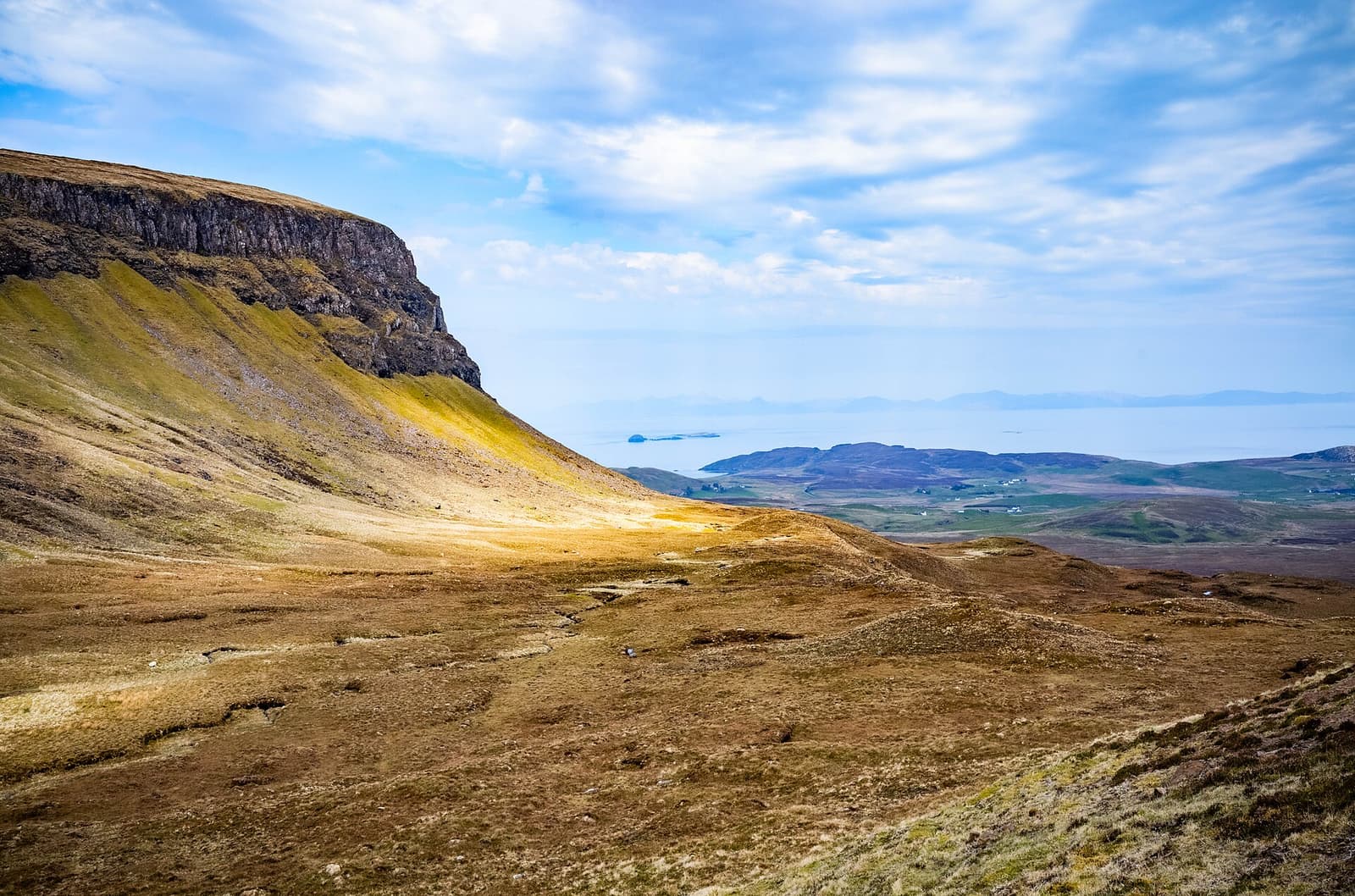
There is no bad month to visit Scotland, only different trips. The short answer for a first visit is May, June or September: long days, the best odds of dry weather, everything open, and fewer people — and fewer midges — than in July and August.
What the weather is really like
Scotland’s climate is mild, damp and changeable rather than extreme. The Gulf Stream keeps the west coast surprisingly temperate, and also wet: the western Highlands get several times the rainfall of the east coast. Edinburgh, Fife, the Moray coast and Aberdeenshire are among the driest parts of the country. Summer highs average about 15–19 °C, occasionally reaching the mid-20s; winter days in the lowlands hover a few degrees above freezing, with regular snow only on the hills.
Daylight shapes a trip as much as temperature. Around midsummer it is light until after 10 pm in Edinburgh and barely gets dark at all in Orkney and Shetland — the “simmer dim”. In December the sun sets before 4 pm.
Month by month
| Month | Weather & daylight | Good for | Watch out for |
|---|---|---|---|
| January | Cold, short days (7–8 hours of light), snow on the hills. | Burns Night, Celtic Connections, Up Helly Aa, skiing, low prices. | Rural closures; storms can disrupt ferries. |
| February | Still wintry; days lengthening. | Snow sports, quiet cities, northern lights on clear nights. | Many seasonal attractions shut. |
| March | Unsettled; first signs of spring in the south. | Cheap city breaks; snowy peaks and empty roads. | Winter conditions on the hills. |
| April | Brighter and often dry; cool. Around 14 hours of light. | Easter openings, lambs, the first ferries of the summer timetable. | Showers; some places open only from Easter. |
| May | Often the driest, sunniest month; 16–17 hours of light. | Hiking, islands, road trips, whisky festivals. | Bank-holiday weekends book up. |
| June | Mild; the longest days — 17½ hours or more. | Everything: islands, seabirds, the far north. | Midges arrive in the west; prices rise. |
| July | The warmest month, with showers. | Highland games, beaches, family travel. | Peak crowds on Skye and the NC500; midges. |
| August | Warm; days start to shorten. | The Edinburgh festivals and the Tattoo; heather in bloom. | Edinburgh prices at their highest; midges. |
| September | Often settled; cooler nights. | Quieter roads, the Braemar Gathering, autumn light. | Some boat trips wind down late in the month. |
| October | Autumn colour; rain returns. About 10 hours of light. | Perthshire woods, the deer rut, cosy pubs. | Clocks go back at the end of the month. |
| November | Dark, damp and quiet. | Museums, whisky, bargain hotels, St Andrew’s Day. | Many island and rural services reduced. |
| December | Cold, the shortest days (about 7 hours). | Christmas markets and Hogmanay. | Hogmanay accommodation books out early. |
Each destination guide has its own month-by-month table with local temperatures, daylight and crowd levels.
Midge season
Midges are active from roughly late May to September in the western and northern Highlands and on the islands, peaking between June and August. They are worst in still, humid weather and at either end of the day. May and September travellers largely avoid them; so does anyone on the east coast or in a breeze. Practical tips are in our travel guide.
Festival calendar
| When | Event | Where |
|---|---|---|
| January (25th) | Burns Night — suppers of haggis, whisky and poetry for Robert Burns’s birthday. | Everywhere |
| Mid-January to early February | Celtic Connections — a major winter festival of folk, roots and world music. | Glasgow |
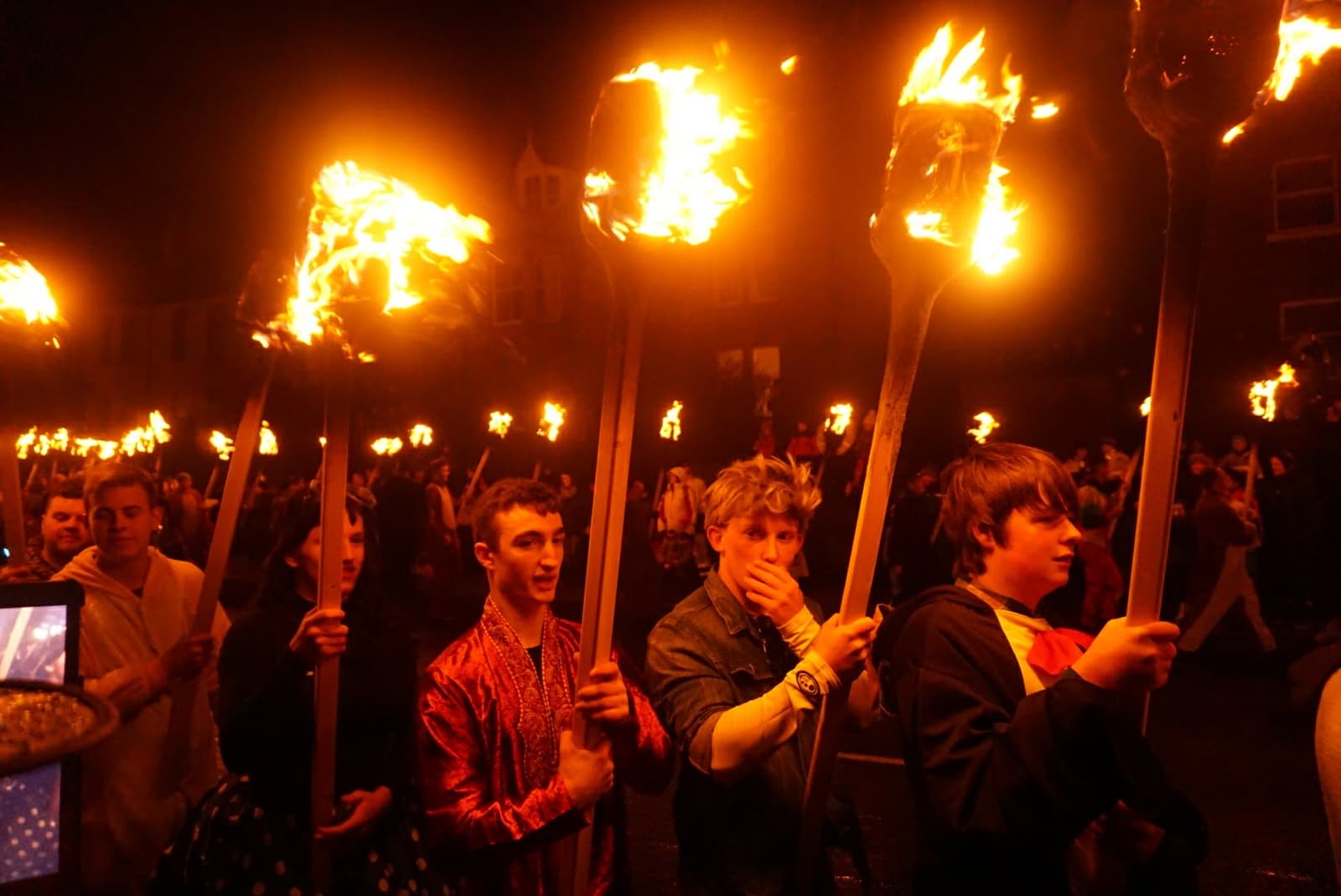
| Last Tuesday of January | Up Helly Aa — a torchlit procession of “guizers” ending with the burning of a Viking galley. | Lerwick, Shetland |
| 30 April | Beltane Fire Festival — drums, fire and painted performers welcome the summer on Calton Hill. | Edinburgh |
| Late April / early May | Spirit of Speyside Whisky Festival — tastings and distillery events. | Speyside |
| May to September | Highland games — caber toss, hammer throw, piping and dancing, at dozens of local gatherings. | Across the Highlands |
| June | St Magnus International Festival — midsummer music and arts. | Orkney |
| July | Hebridean Celtic Festival (HebCelt) — music in the grounds of Lews Castle. | Stornoway |
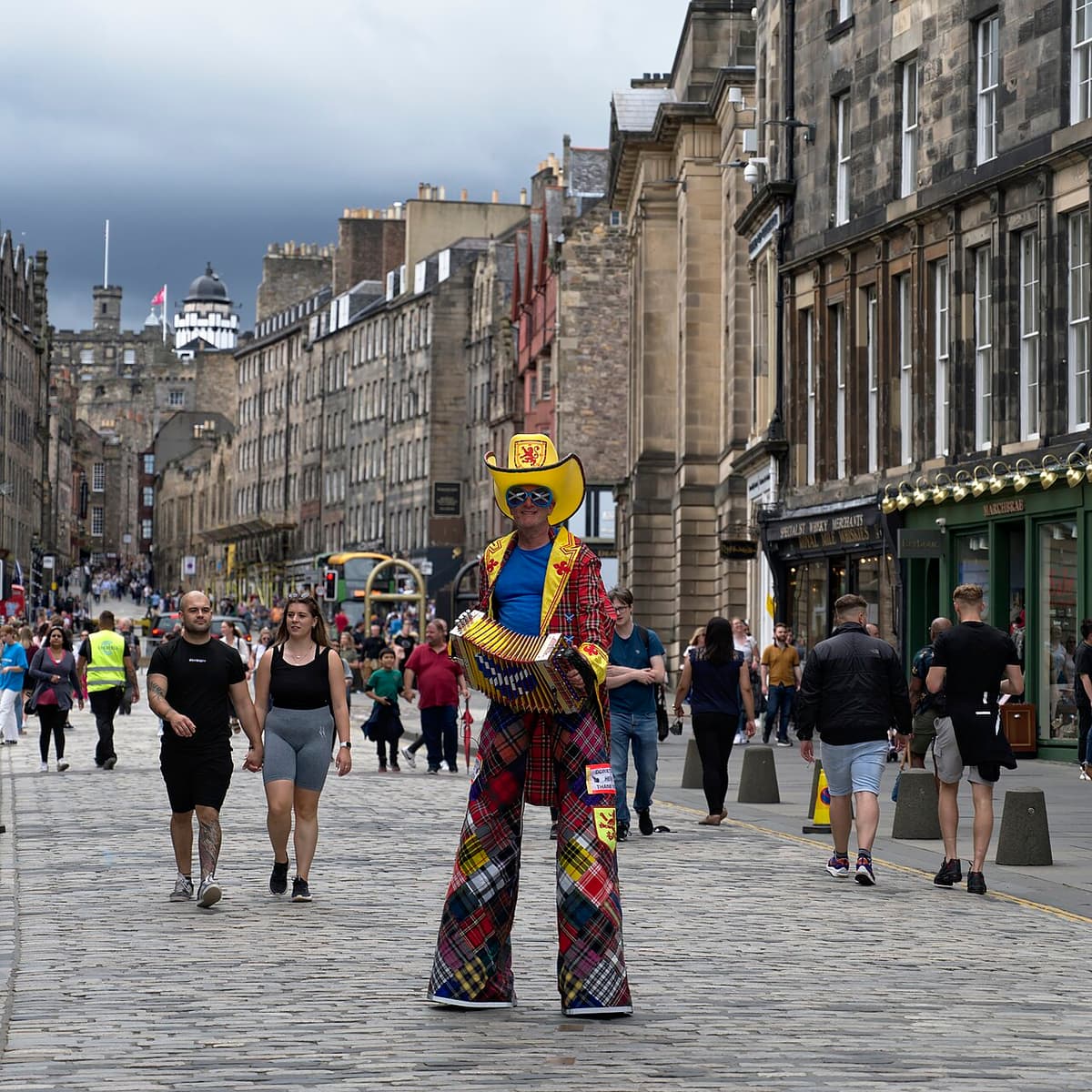
| August | Edinburgh Festival Fringe and the Edinburgh International Festival — together the largest arts festival in the world — plus the Royal Edinburgh Military Tattoo on the castle esplanade. | Edinburgh |
| Late August | Cowal Highland Gathering — one of the biggest Highland games. | Dunoon |
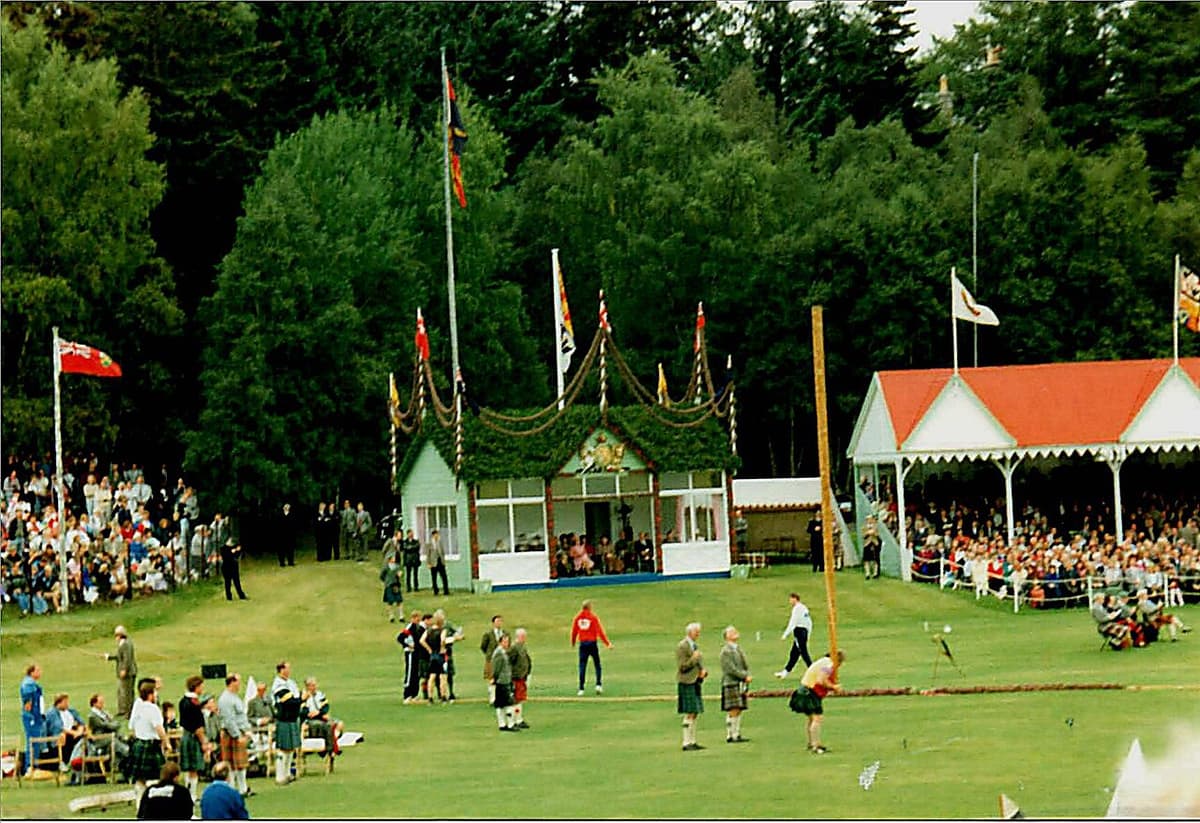
| First Saturday of September | Braemar Gathering — the Highland games traditionally attended by the Royal Family. | Braemar |
| 30 November | St Andrew’s Day — Scotland’s national day. | Everywhere |
| 31 December | Hogmanay — New Year, celebrated harder here than anywhere: street parties, torchlight processions, fireworks and “Auld Lang Syne”. | Edinburgh and nationwide |
Dates shift slightly from year to year; confirm them with the organisers before booking around an event.
Highland games
Between May and September almost every Highland town holds a gathering: heavy events such as tossing the caber and throwing the hammer, hill races, solo piping, pipe bands and Highland dancing. They are local occasions first and visitor attractions second, which is exactly their appeal. Entry is usually paid at the gate.
Hogmanay and Up Helly Aa
Edinburgh’s Hogmanay is a ticketed, multi-day celebration that draws visitors from all over the world; tickets and rooms sell out well in advance, and events can be cancelled in severe weather. Smaller towns have their own traditions — the fireball swinging at Stonehaven is the most spectacular. Up Helly Aa, in Lerwick at the end of January, is Europe’s largest fire festival; the procession can be watched from the street, but the all-night halls are largely by invitation.
Seeing the northern lights
The aurora borealis is visible from Scotland several times each winter, most often from the north coast, Orkney, Shetland, the Outer Hebrides and the Moray coast, on clear, dark nights between about October and March. It can never be planned for; treat it as a bonus.
When to book
- Edinburgh in August and at Hogmanay: six months or more ahead for a decent choice.
- Skye, Mull, Harris and the north coast, June to August: three to six months ahead.
- The rest of the year: a few weeks is usually plenty, and winter brings genuine bargains.