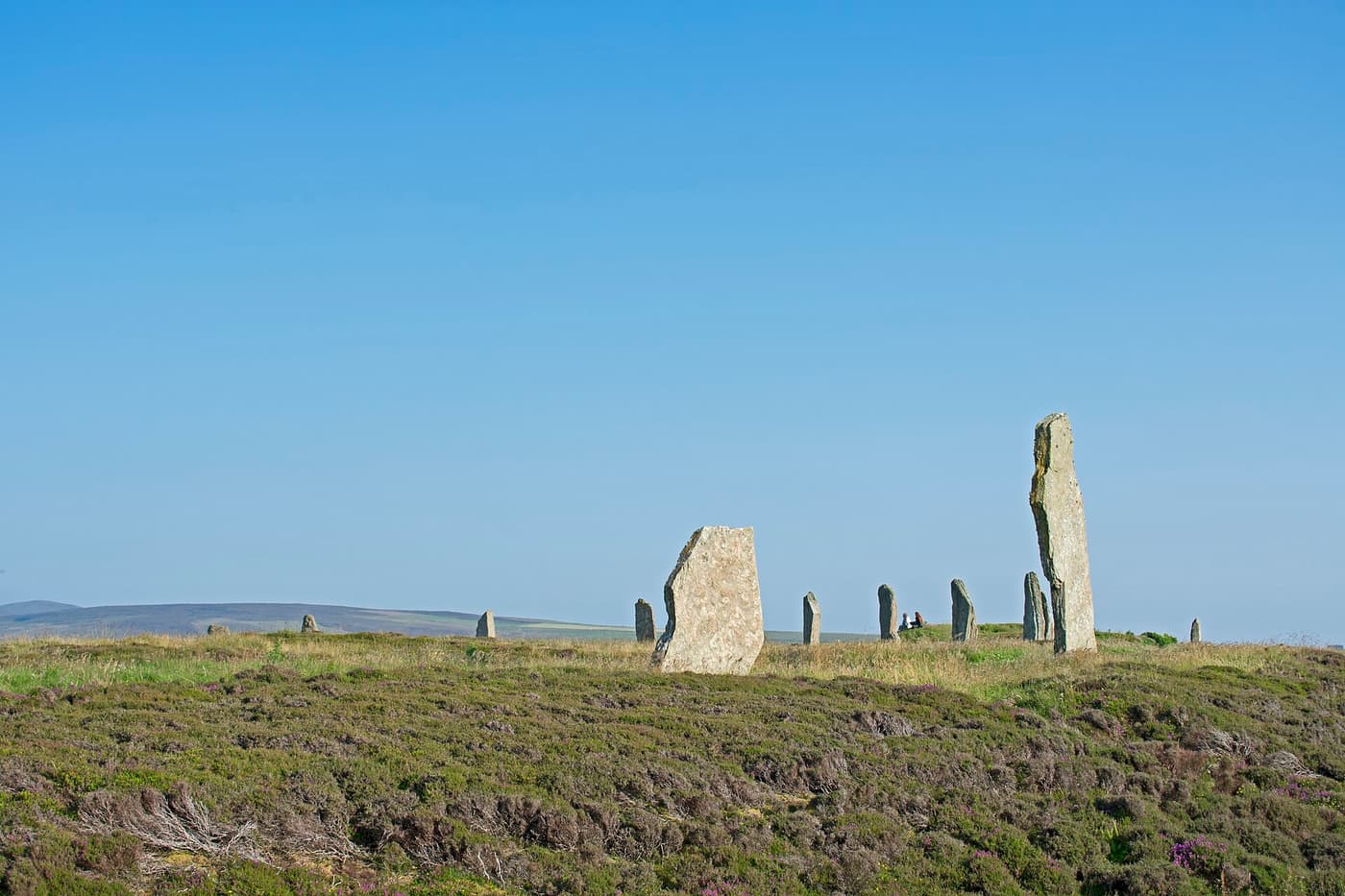
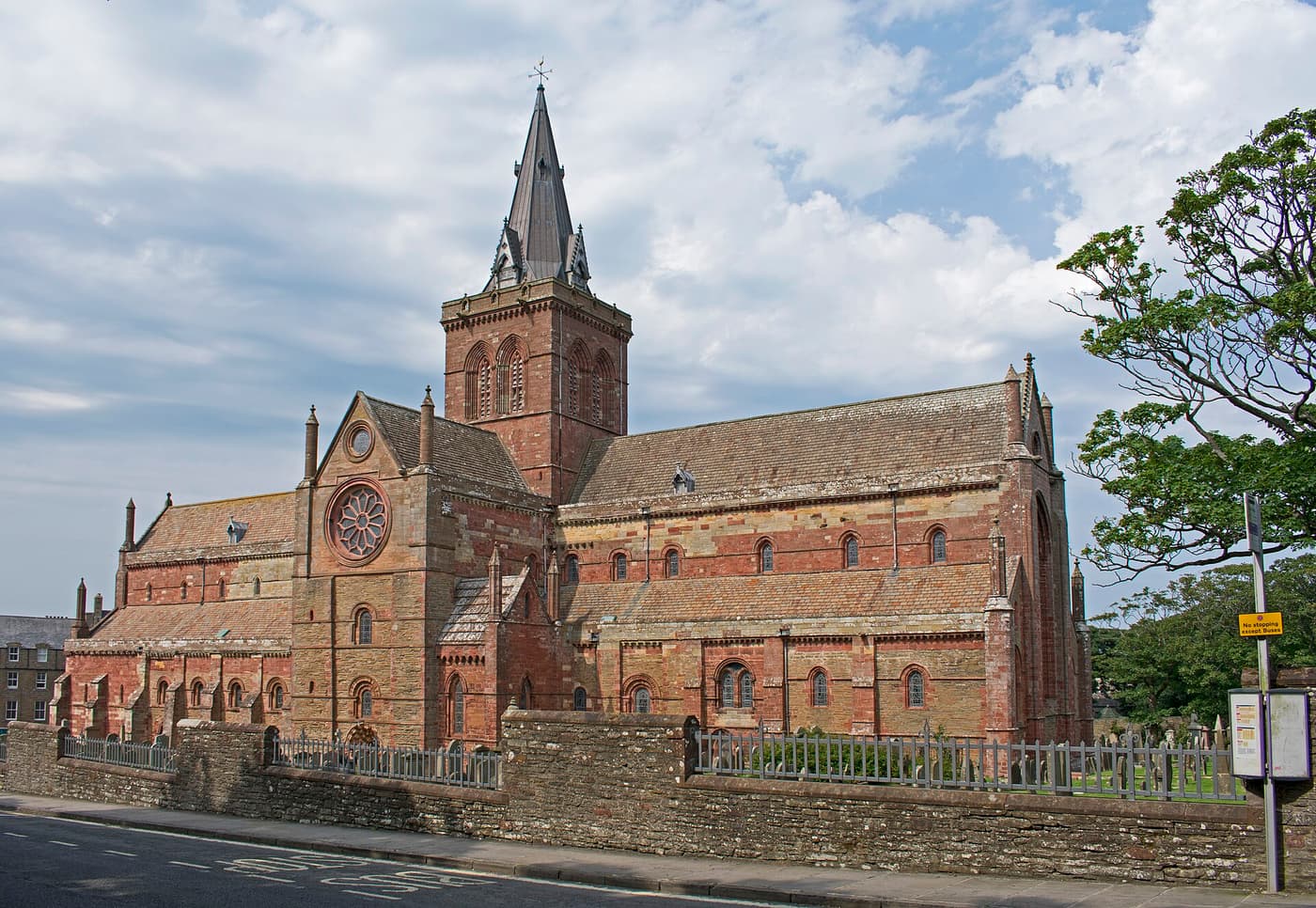
Orkney is not Highland at all. Cross the Pentland Firth and the mountains give way to a scatter of about seventy low, fertile islands, some twenty of them inhabited, with cattle in the fields, huge skies and the sea always in view. For more than 600 years they were Norse, passing to the Scottish crown only in 1468, and Orcadians still feel their Scandinavian roots; the place-names, the dialect and the red sandstone St Magnus Cathedral in Kirkwall all tell the story.
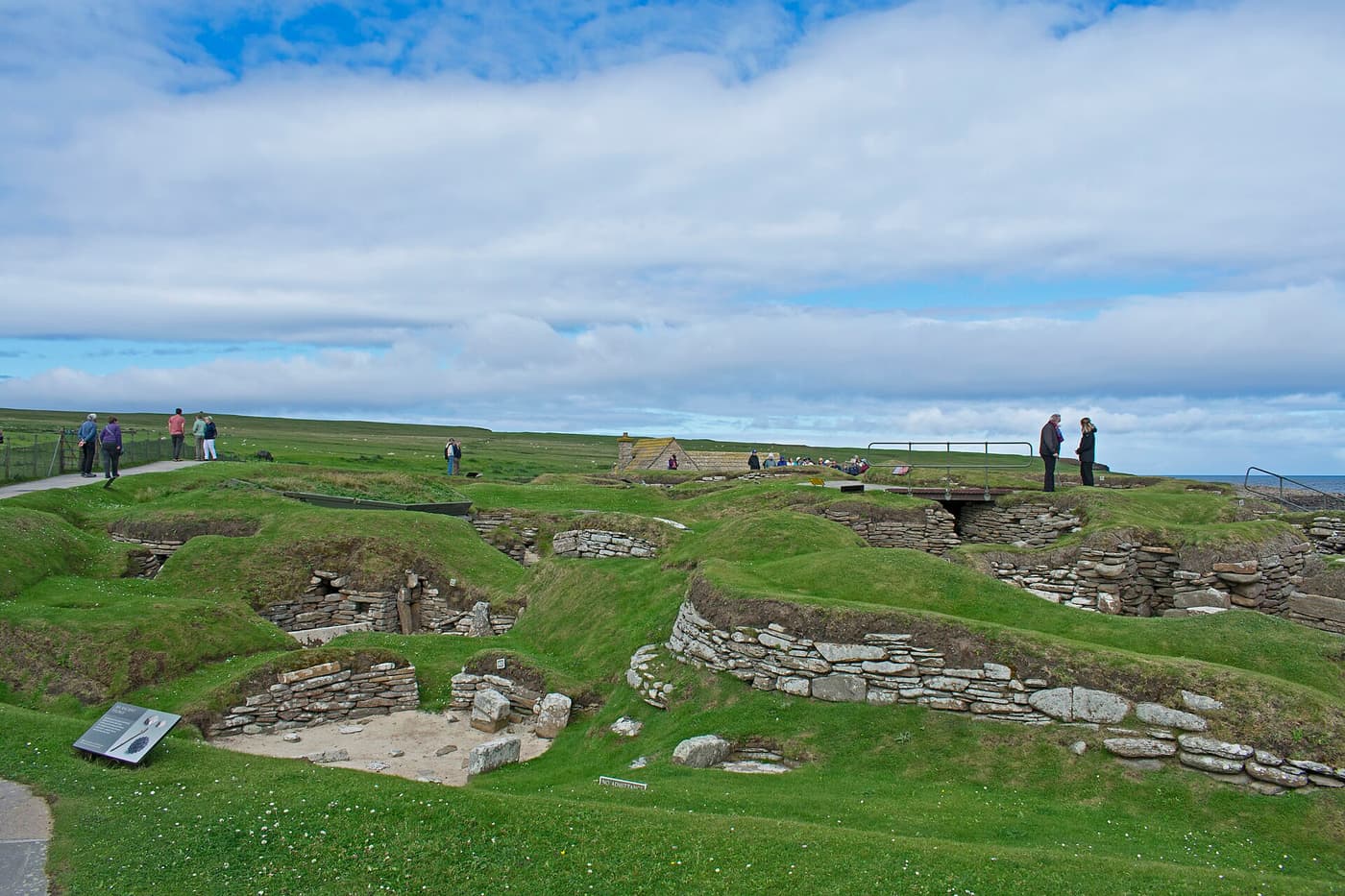
What draws most visitors is far older. On the main island — called simply the Mainland — the Heart of Neolithic Orkney World Heritage Site brings together the village of Skara Brae, the chambered tomb of Maeshowe and the stone circles of Brodgar and Stenness, all built around 5,000 years ago and all within a few miles of each other. Add the wrecks and wartime relics of Scapa Flow, towering sea cliffs and some of Britain’s best birdwatching, and three days fill easily.
Highlights
- Skara Brae, a Stone Age village complete with stone furniture
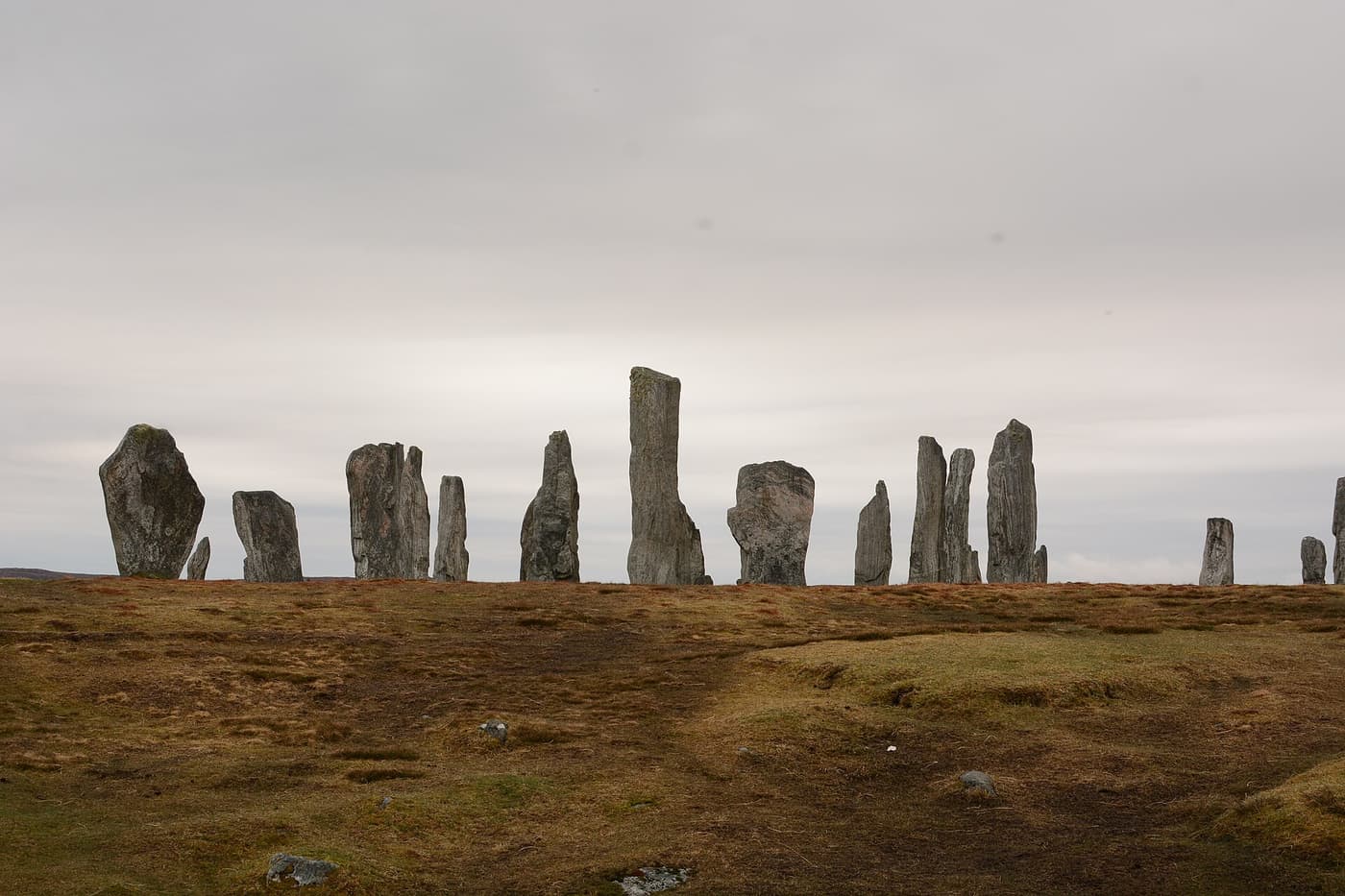
- The Ring of Brodgar and the Stones of Stenness
- Inside the tomb of Maeshowe, with its Viking graffiti
- St Magnus Cathedral and the lanes of Kirkwall
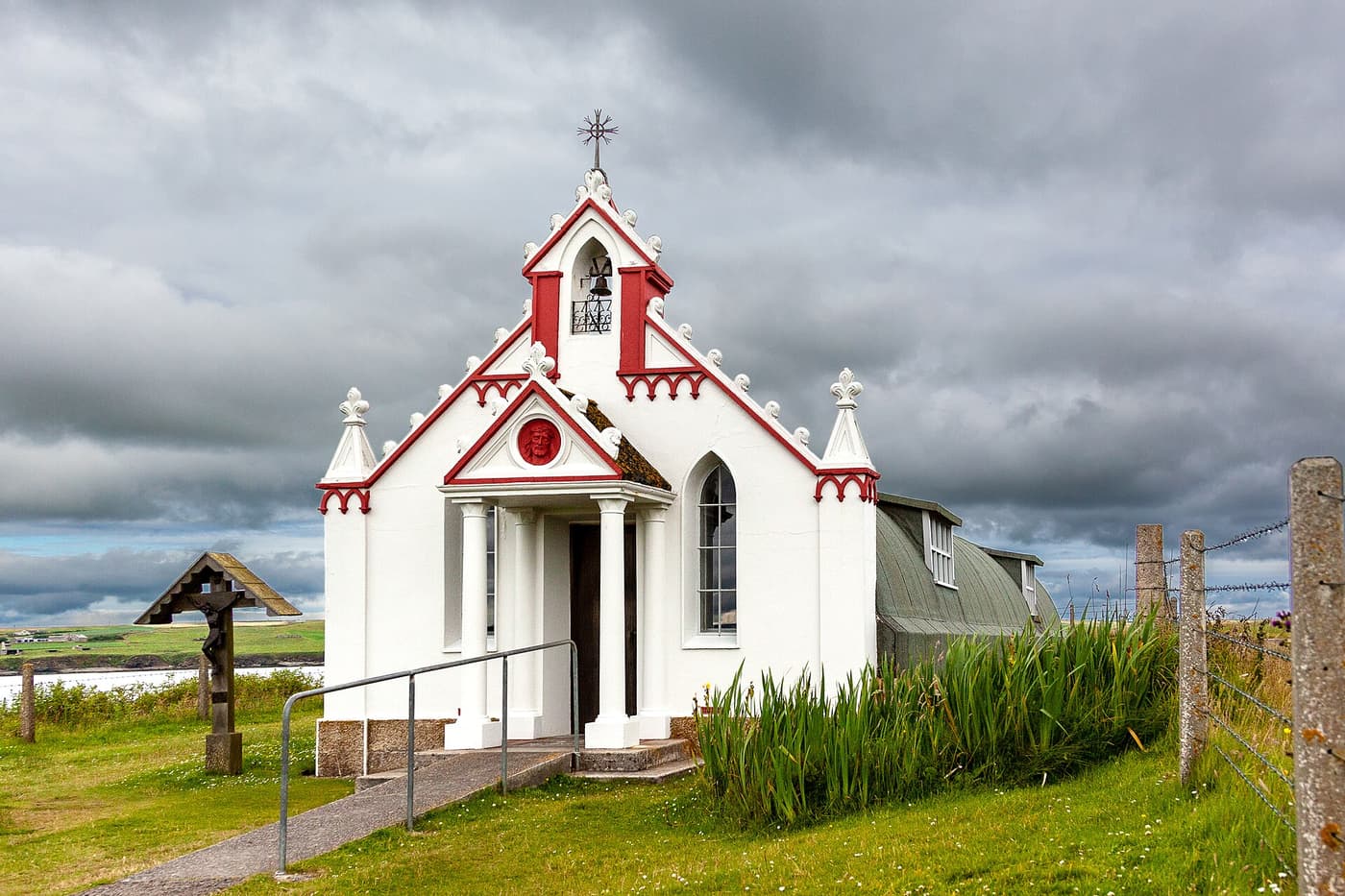
- The Italian Chapel and the Churchill Barriers at Scapa Flow
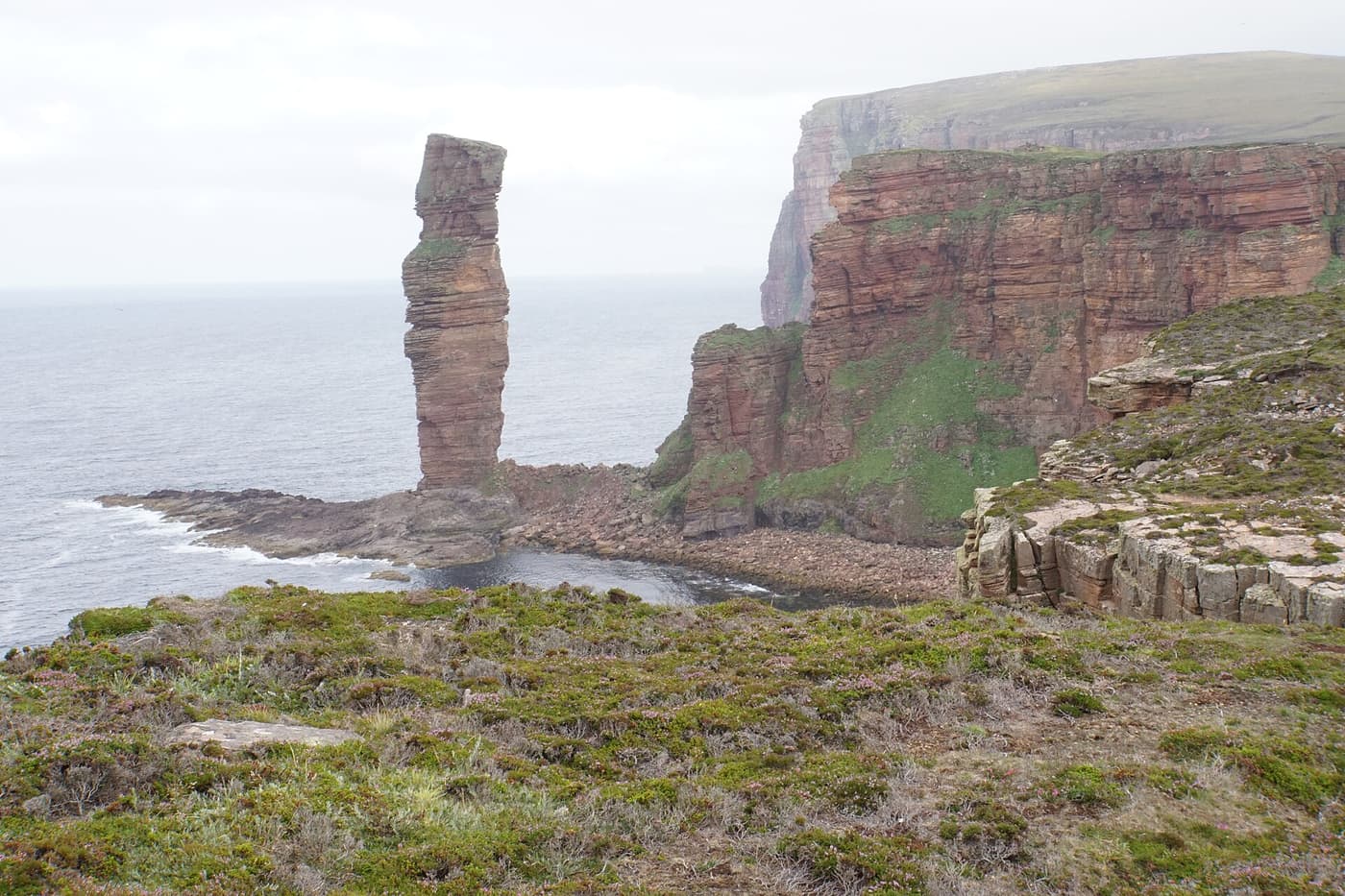
- The flagstone street of Stromness and the Old Man of Hoy
How long to stay
Two full days cover the Neolithic sites, Kirkwall and the Italian Chapel. Three or four allow Stromness, the west-coast cliffs and a day on Hoy or one of the northern isles. A day trip from the mainland, by tour, shows only the headlines.
Best base
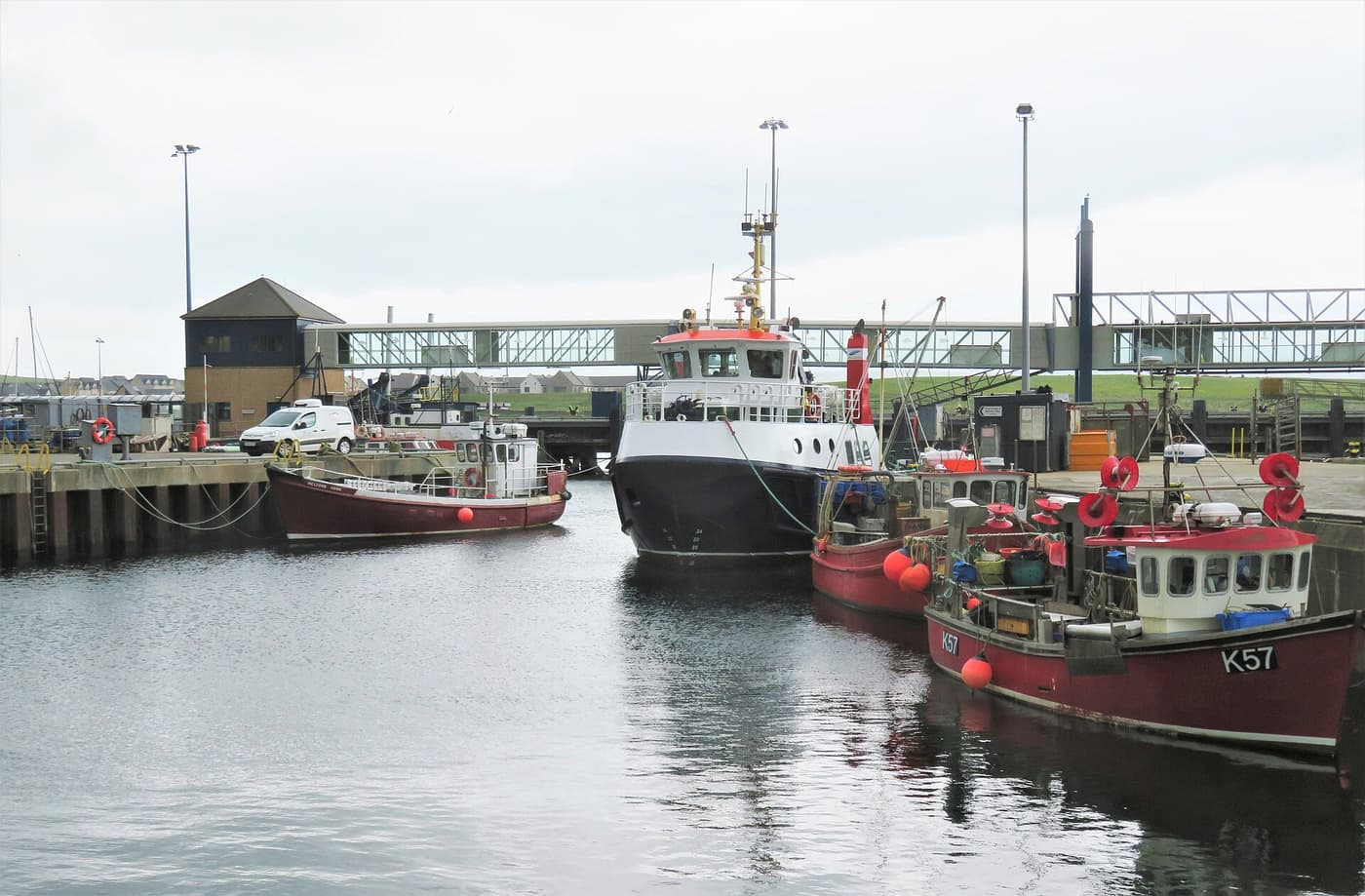
Kirkwall is the capital and the most practical base, with the widest choice of rooms and restaurants and the bus station. Stromness is smaller, prettier and nearer the Neolithic sites and the Scrabster ferry. Both are within 30 minutes of almost everything on the Mainland.