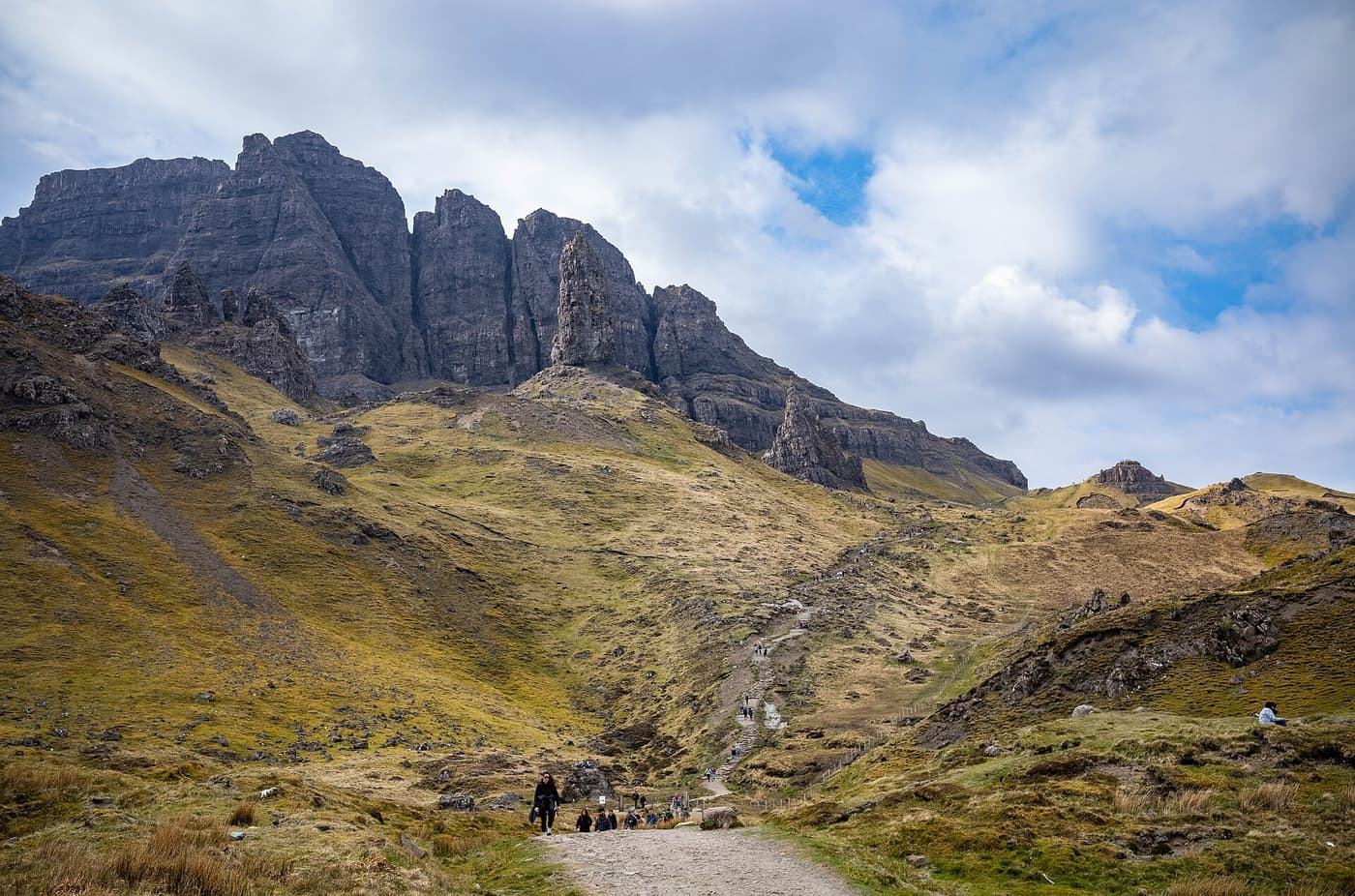
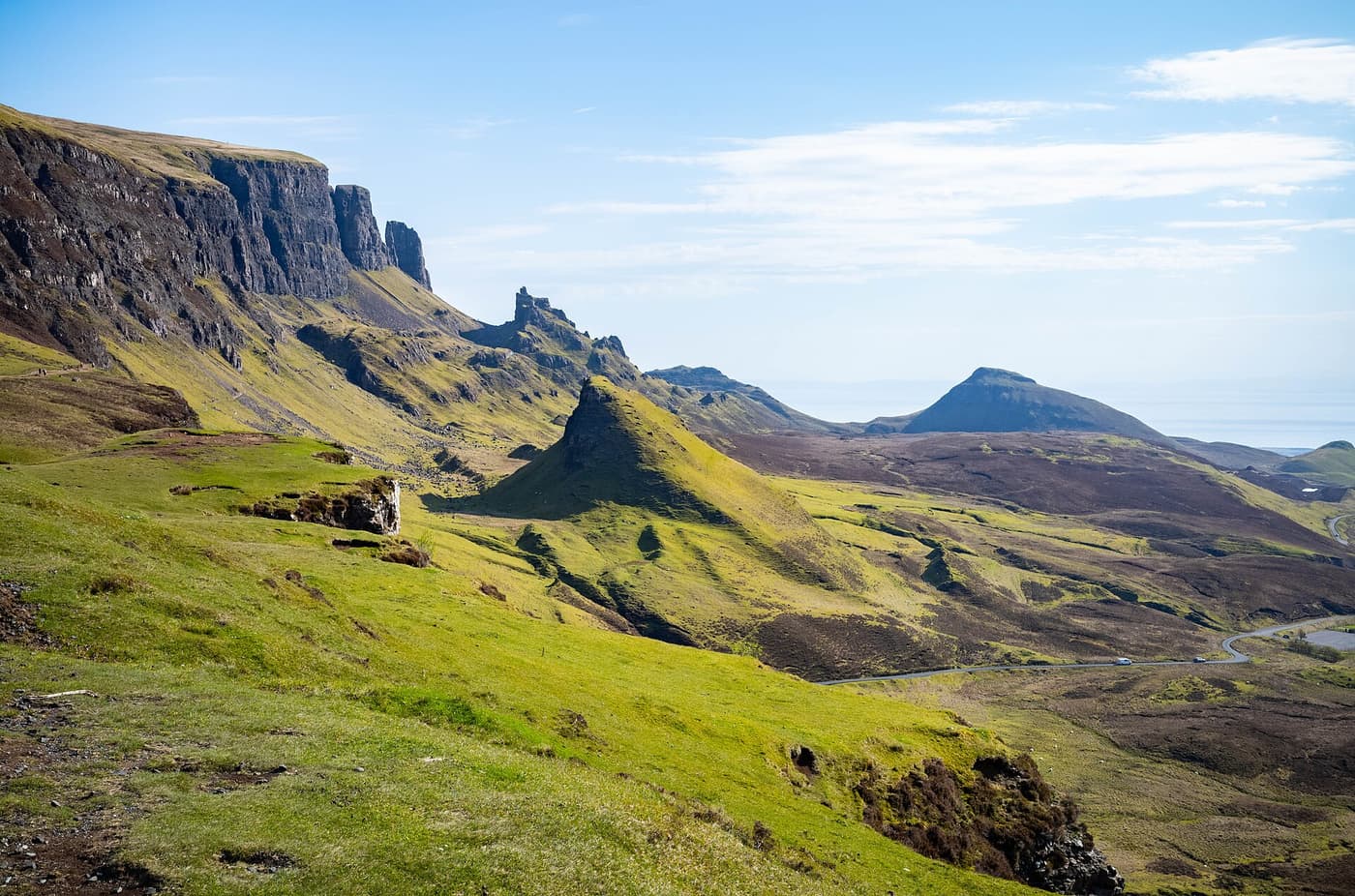
Skye is the largest of the Inner Hebrides, a ragged island of peninsulas some fifty miles long, so deeply cut by sea lochs that nowhere is more than five miles from salt water. Its scenery comes in two great set pieces. In the north, the Trotternish peninsula is a vast ancient landslip that has left behind the pinnacles of the Old Man of Storr and the strange terraces of the Quiraing. In the south, the Cuillin — a horseshoe of black, saw-toothed peaks — is the most challenging mountain range in Britain.
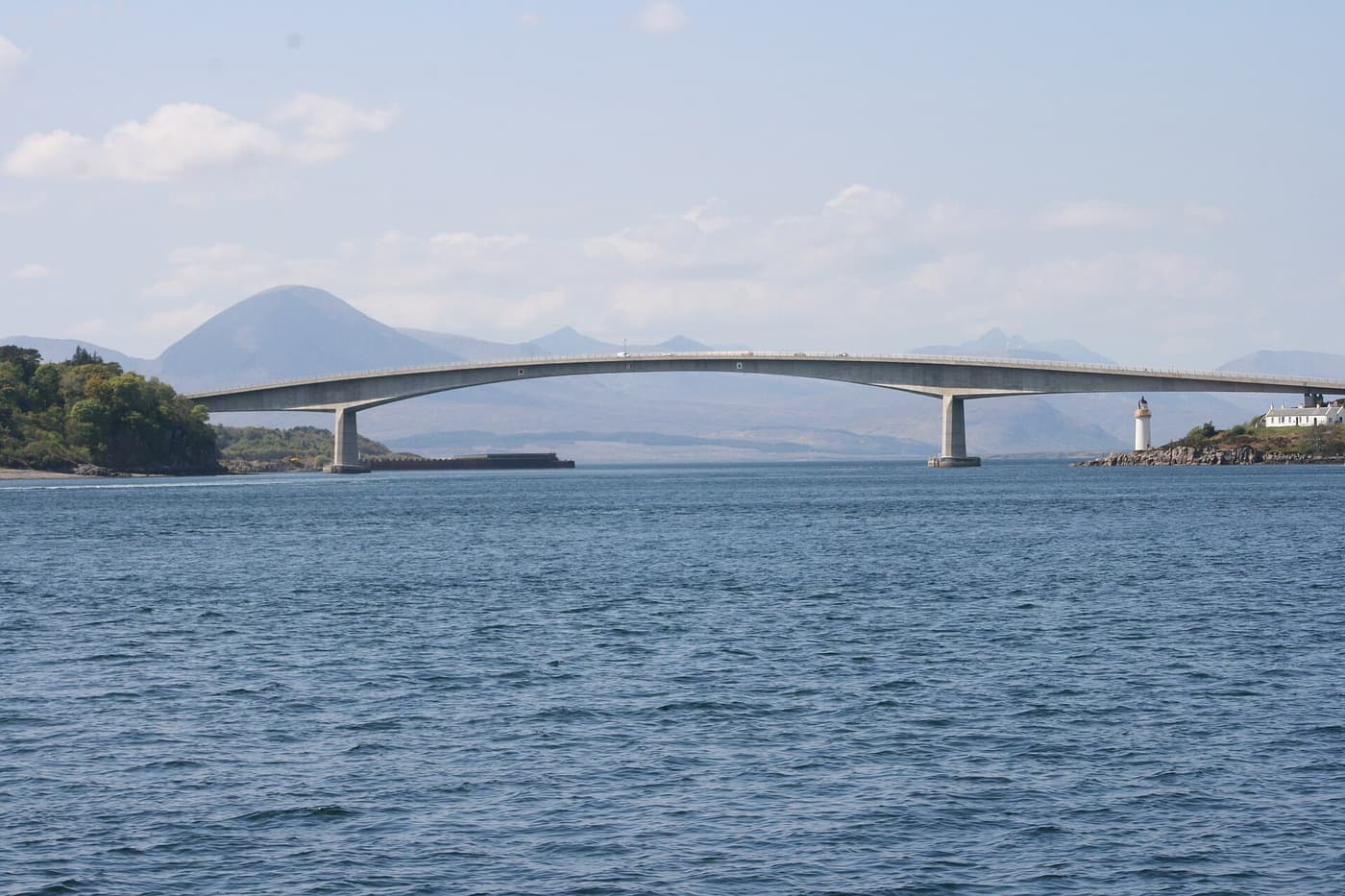
For decades Skye was a place for climbers and the occasional romantic. Films, social media and the bridge have changed that, and in summer this island of about 13,000 people is one of the busiest places in the Highlands. It is still magnificent — but it rewards those who book accommodation months ahead, get to the famous places before 9 am or after 5 pm, and allow time for the weather to do what it does.
Highlights
- The walk up to the Old Man of Storr
- The otherworldly landscape of the Quiraing
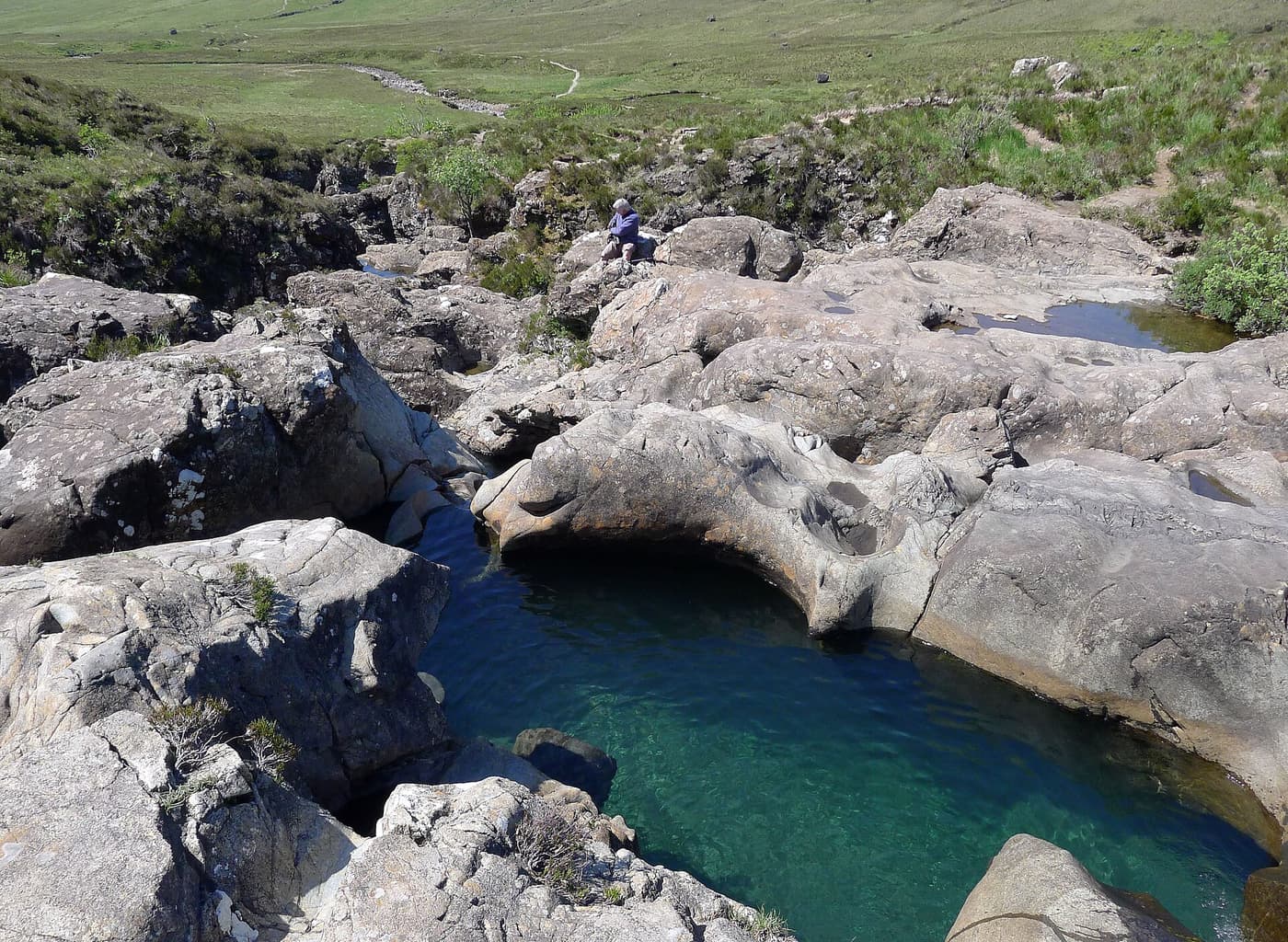
- The Fairy Pools beneath the Black Cuillin
- Sunset at Neist Point lighthouse
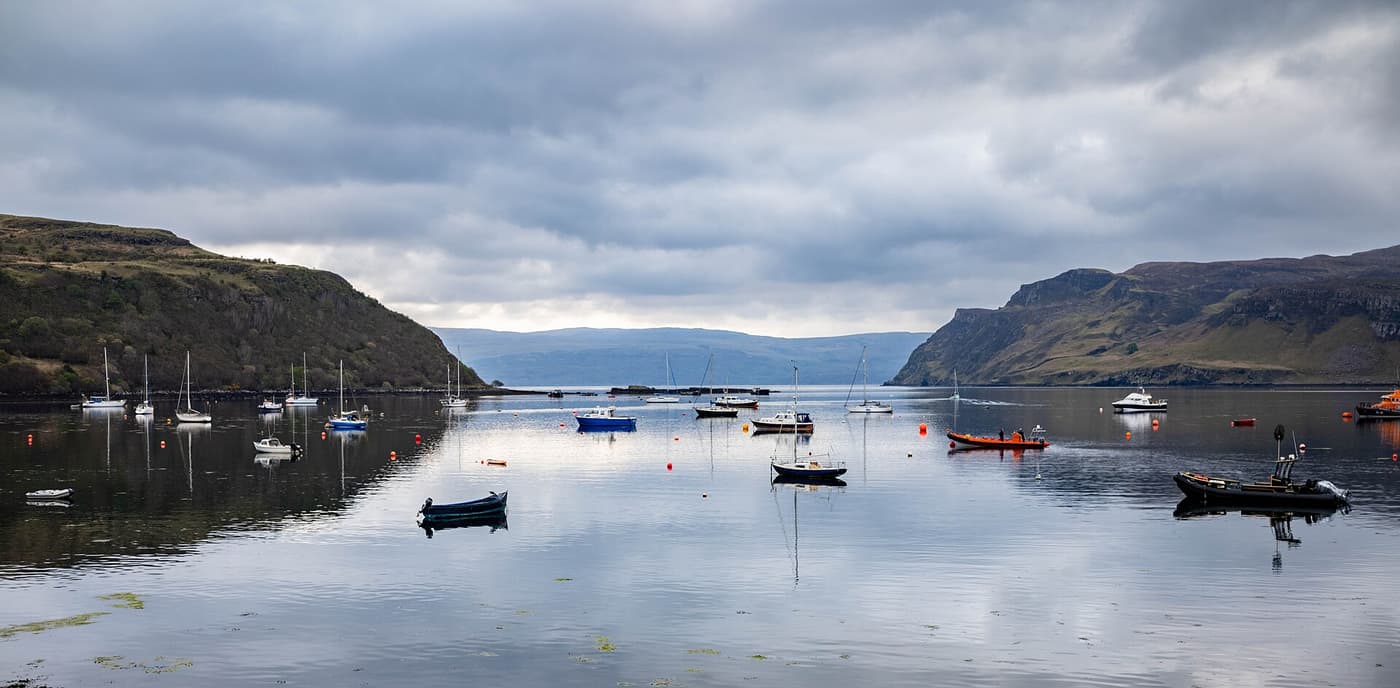
- The harbour town of Portree and Dunvegan Castle
- A boat from Elgol to Loch Coruisk, and a dram at Talisker
How long to stay
Two nights — giving one full day — is the bare minimum, and three nights is far better: one day for Trotternish, one for the Fairy Pools, Talisker and Neist Point or Dunvegan, and a spare for bad weather or a boat trip. A day trip from Inverness shows you the highlights at a gallop.
Best base
Portree is the most convenient base, central for the north of the island and with by far the most restaurants. Broadford is handy for the bridge, Elgol and the south; Dunvegan and Carbost suit the west; Sligachan is the mountaineers’ crossroads. Wherever you stay, book as early as you can.