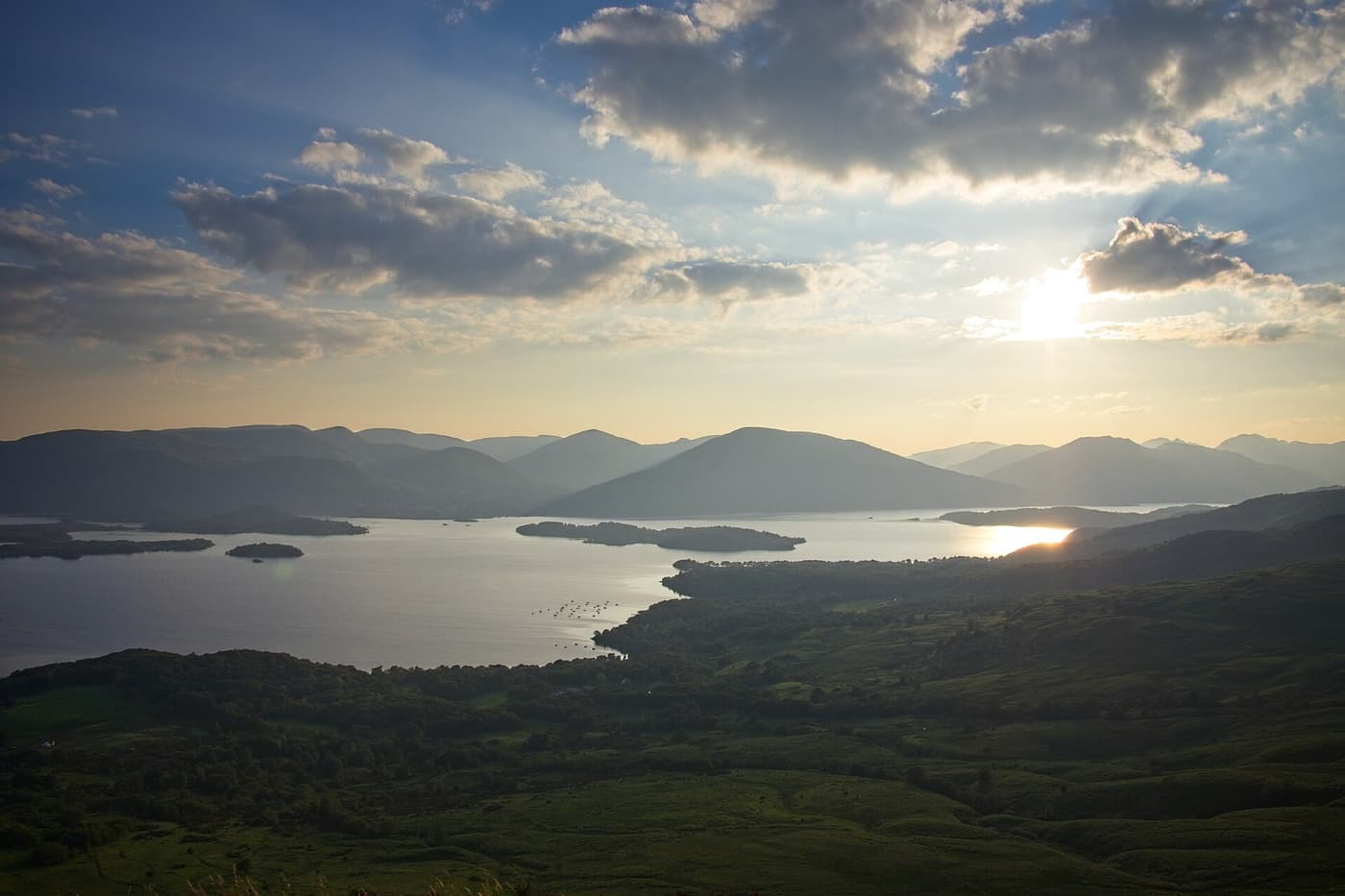
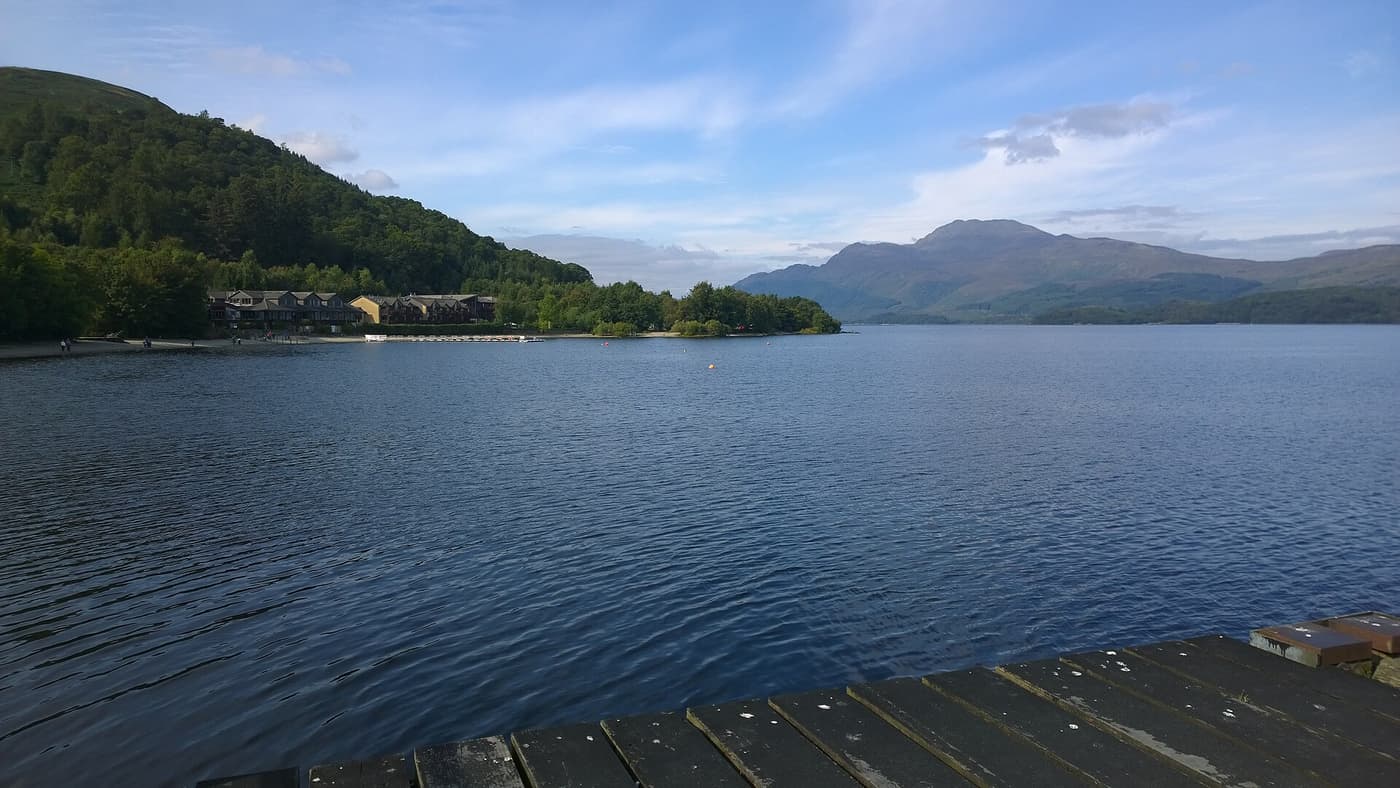
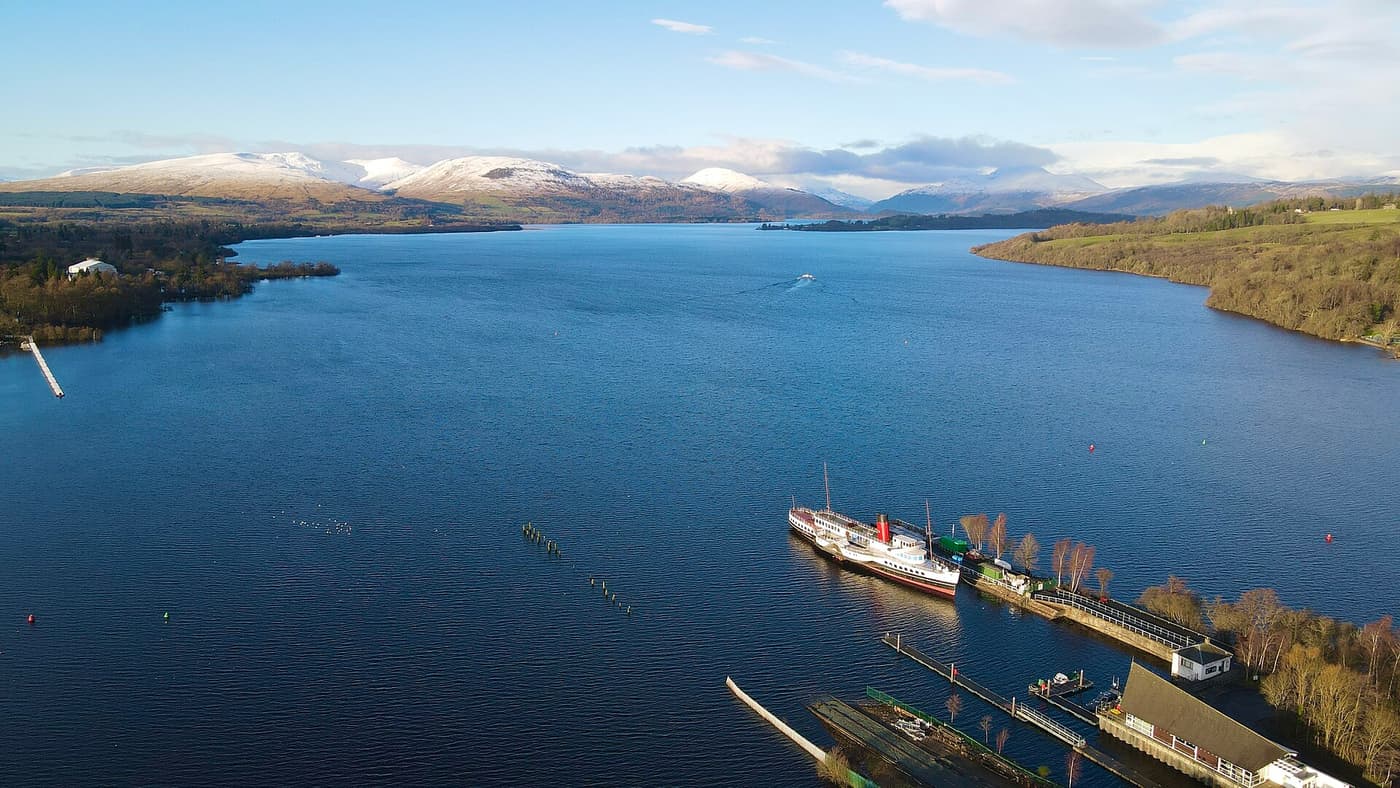
Loch Lomond is where Lowland Scotland ends. The Highland Boundary Fault runs straight through the loch — you can see it as a line of islands from the top of Conic Hill — and within a few miles the landscape changes from farmland to mountain. The southern end of the loch is broad and scattered with wooded islands; the northern end narrows into a fjord-like trench under high peaks. At about 36 km long it is the largest lake in Great Britain by surface area.
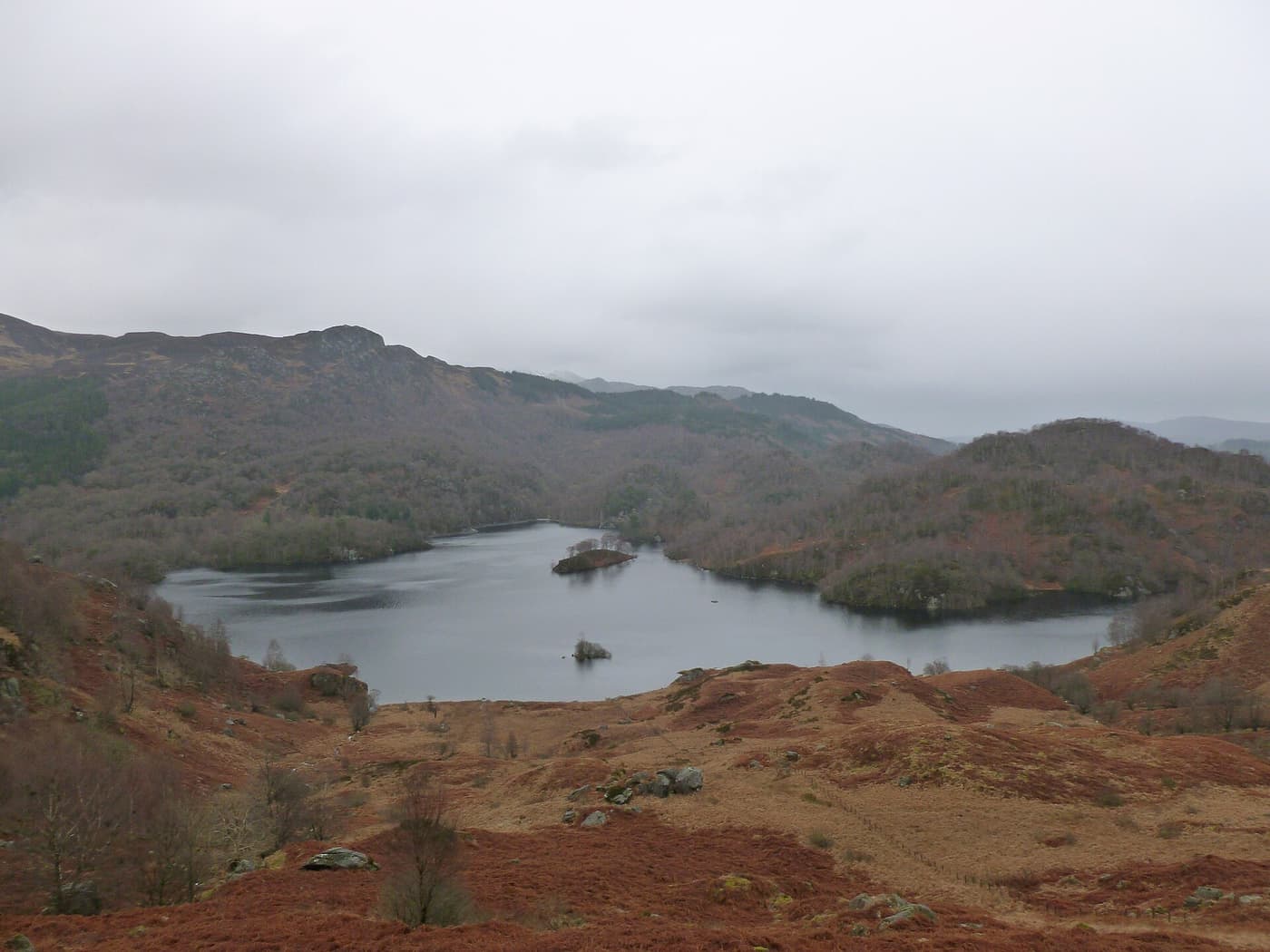
To the east lie the Trossachs, a tangle of lochs, oakwoods and craggy hills that Sir Walter Scott turned into Scotland’s first tourist destination with The Lady of the Lake in 1810. Together they form the Loch Lomond & The Trossachs National Park, created in 2002. It is a place for boat trips, short hill walks, cycling and pub lunches rather than for ticking off monuments — and because it is so close to the cities, it gets busy on fine weekends.
Highlights
- A cruise on Loch Lomond from Balloch, Luss or Tarbet
- The conservation village of Luss and its pier
- Climbing Conic Hill for the classic view down the loch
- Ben Lomond, Scotland’s most southerly Munro
- A steamship sailing on Loch Katrine in the heart of the Trossachs
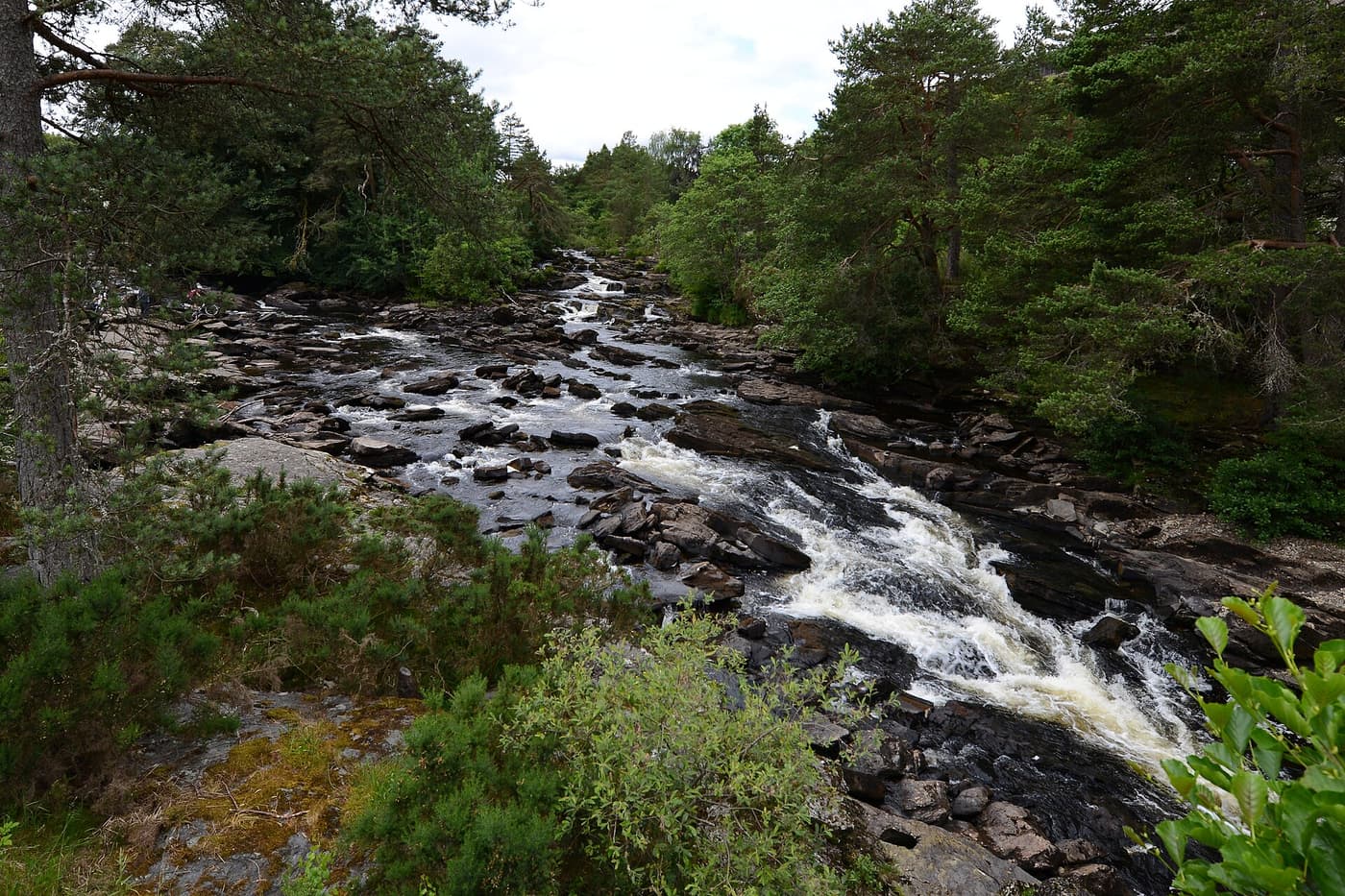
- The Duke’s Pass, Callander and the Falls of Dochart at Killin
How long to stay
A day gives you a cruise, a village and a short walk. Two days allow both the loch and the Trossachs, or a proper hill day on Ben Lomond. Many travellers pass through on the way to Glencoe — try to stop for at least half a day.
Best base
Luss and the west shore are the prettiest and most convenient for the A82. Balloch has the railway station and the most cruises. Balmaha and Drymen on the quieter east shore suit walkers; Callander and Aberfoyle are the bases for the Trossachs.