Entry: visas and the ETA
Scotland is one of the four nations of the United Kingdom, and UK immigration rules apply; there are no border checks between Scotland and England. The UK is not in the Schengen area, so a Schengen visa is not valid here.
The UK has introduced an Electronic Travel Authorisation (ETA) for visitors who do not need a visa — including citizens of EU countries, the United States, Canada, Australia, New Zealand, Japan and many others. It is applied for online or in the official app before you travel, is linked to your passport, and at the time of writing costs £16 and allows multiple visits of up to six months over two years. Irish citizens do not need one. Requirements, exemptions and the fee have changed more than once, so check the official gov.uk website before booking and apply only through official channels — third-party sites charge more for the same thing. Nationals of countries that require a visa should apply for a Standard Visitor visa instead.
The Edinburgh visitor levy
Edinburgh is the first city in Scotland to introduce a visitor levy on paid overnight accommodation. Under the scheme approved by the council it applies to stays from 24 July 2026, at 5% of the room cost per night, charged on up to the first five consecutive nights, and is collected by your hotel, hostel or rental host. Other Scottish councils — including Glasgow, Aberdeen and Highland — have been consulting on or preparing their own schemes with different rates and dates. Check what is included in the price when you book.
Money
The currency is the pound sterling (£, GBP). Cards and phone payments are accepted almost everywhere, including most rural cafés and on buses in the cities; a little cash is still useful for honesty boxes, small car parks and remote shops. ATMs are scarce in the far north-west and on small islands.
Scottish banknotes. Three Scottish banks — Bank of Scotland, Royal Bank of Scotland and Clydesdale Bank — print their own sterling notes, which look different from Bank of England notes but have exactly the same value. They are accepted everywhere in Scotland. In England they are legal currency and usually accepted, though the occasional shop hesitates; outside the UK they can be hard to exchange. Spend them before you leave, or ask a bank or your last hotel to swap them for Bank of England notes.
Tipping. Around 10–12% in restaurants with table service if a service charge has not already been added; not expected in pubs when ordering at the bar; round up taxi fares; a few pounds for a good tour guide.
Costs
| Item | Typical price (check current rates) |
|---|---|
| Hostel dorm bed | around £25–45; more in Edinburgh in August |
| Double room, B&B or mid-range hotel | around £100–200; considerably more in Edinburgh in August and on Skye in summer |
| Pub main course | around £14–20 |
| Pint of beer / dram of whisky | around £5–7 / from £4 |
| Coffee | around £3–4 |
| Edinburgh Castle or Stirling Castle entry | roughly £17–22 for an adult, cheaper booked online |
| Highland day tour by coach | roughly €50–80 on GetYourGuide |
| Small hire car, per day | from around £40–70 in summer, plus fuel |
Saving money. National museums and galleries are free. A Historic Scotland Explorer Pass covers Edinburgh, Stirling and Urquhart castles and dozens of other sites and pays for itself after about three; members of the National Trust (including overseas affiliates) get free entry to National Trust for Scotland properties. Book trains in advance, travel in May or September, and self-cater now and then.
Right to roam and wild camping
Scotland has some of the most generous access laws in Europe. Under the Land Reform (Scotland) Act 2003, everyone has a right of responsible access to most land and inland water — hills, moors, woods, beaches, field margins — for walking, cycling, paddling and similar pursuits. The Scottish Outdoor Access Code sets out the “responsible” part: respect people’s privacy and livelihoods, keep dogs under control around livestock and ground-nesting birds, leave gates as you find them, and take everything away with you.
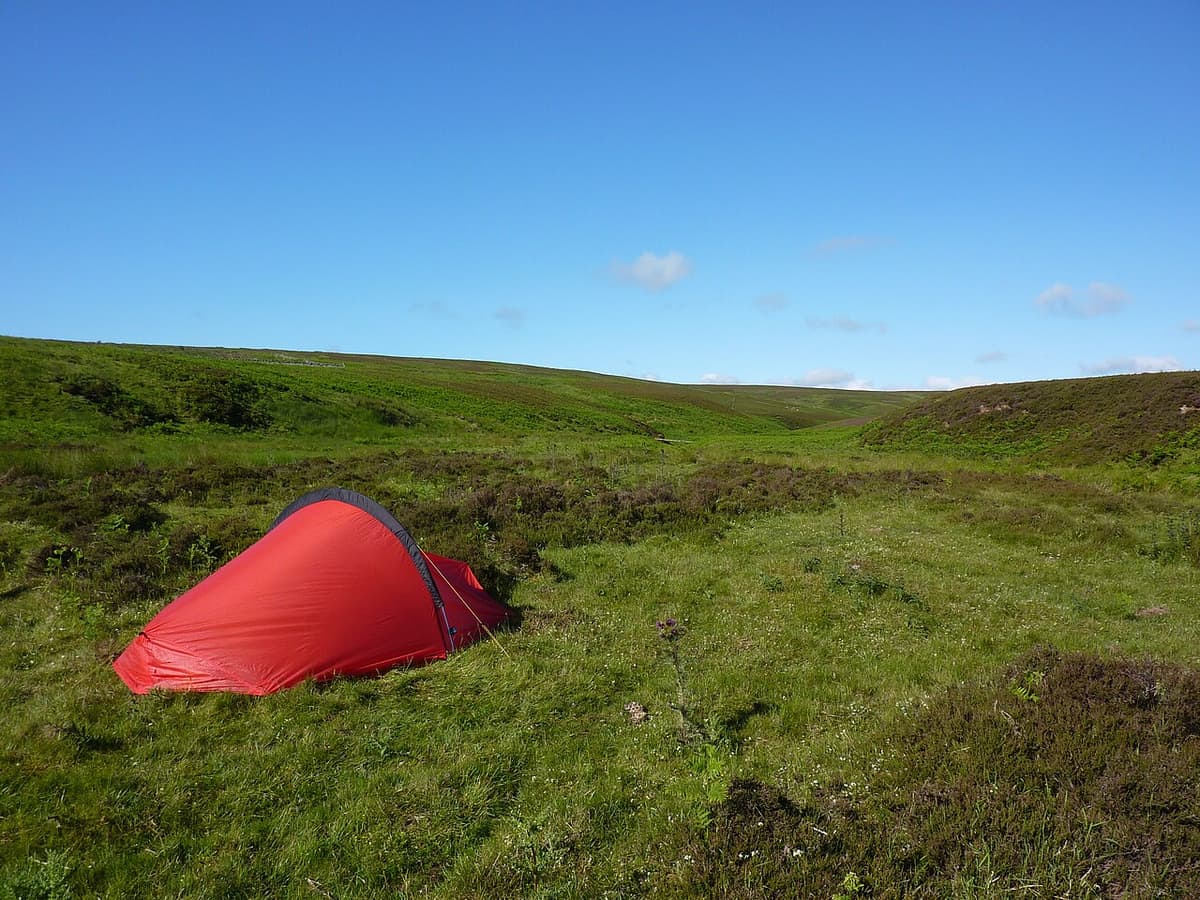
Wild camping is included in these rights when it is lightweight, in small numbers, for two or three nights in one place, well away from houses, roads and enclosed fields. Leave no trace: no fire scars (use a stove), bury human waste well away from water, carry out all litter. Two important limits:
- Access rights do not extend to motor vehicles. Sleeping in a car, camper van or motorhome by the roadside is not “wild camping” in law; use campsites and designated stopovers.
- Parts of Loch Lomond & The Trossachs National Park have camping management byelaws from March to September: in the marked zones you need a permit or a campsite booking to camp.
Midges, ticks and the weather
The Highland midge is a tiny biting fly that appears in the western and northern Highlands and the islands from about late May, peaks from June to August and fades in September. Midges like still, damp, overcast conditions and are worst at dawn and dusk; a breeze of more than a few miles an hour or bright sun grounds them. Carry a repellent (the locally sold Smidge, or anything containing picaridin or DEET), cover up in the evening, and pack a head net if you will be camping. The east coast and the cities are barely affected.
Ticks live in bracken and long grass and can carry Lyme disease. Wear long trousers on overgrown paths, check your skin after walking and remove any tick promptly with a tick tool.
Weather changes fast, in every season. Dress in layers, always carry a waterproof, and do not treat a fine morning as a promise. On the hills, conditions at 900 m can be wintry when the glen is mild: check the Mountain Weather Information Service and the Met Office mountain forecast, carry a map and compass as well as a phone, and tell someone your route. Mountain rescue teams are volunteers; reach them by dialling 999 and asking for Police, then Mountain Rescue.
Safety and health
Scotland is a safe country with low rates of violent crime; take the usual city precautions with phones and bags. The emergency number is 999 (112 also works); for non-urgent medical advice call NHS 24 on 111. Emergency treatment at hospital A&E departments is free for everyone, but other care may be charged to visitors, so travel insurance is strongly advised. Tap water is safe to drink everywhere and is generally excellent.
Connectivity and power
Mobile coverage is good in towns and along main roads and patchy to non-existent in glens, on single-track roads and on parts of the islands; download offline maps before leaving town. Since Brexit, some EU mobile contracts charge roaming fees in the UK — check before you travel, or buy a UK SIM or eSIM. Electricity is 230 V with three-pin type G plugs; bring an adapter.
Etiquette and culture
- Scotland is Scottish, not English; calling the whole UK “England” will be gently corrected.
- Queue, say thanks to the bus driver, and offer to buy your round in the pub.
- Gaelic appears on road signs across the Highlands and is a living language in the Outer Hebrides. A ceilidh (“kay-lee”) is a social dance — join in; nobody expects you to know the steps.
- Sunday is still observed in parts of Lewis and Harris, where many shops, cafés and some services close.
- On single-track roads, wave. See our driving etiquette.
Food and drink
Scottish produce is outstanding: langoustines, scallops and mussels from the west coast, smoked salmon, Aberdeen Angus beef, venison, soft fruit from Perthshire and Fife. Things to try include haggis with neeps and tatties (vegetarian haggis is widely available and good), Cullen skink (smoked haddock soup), Arbroath smokies, a full Scottish breakfast with tattie scones, cranachan, and shortbread. Kitchens in rural pubs often close by 8 or 9 pm — and restaurants on Skye and in other busy spots need reserving in summer.
Whisky regions
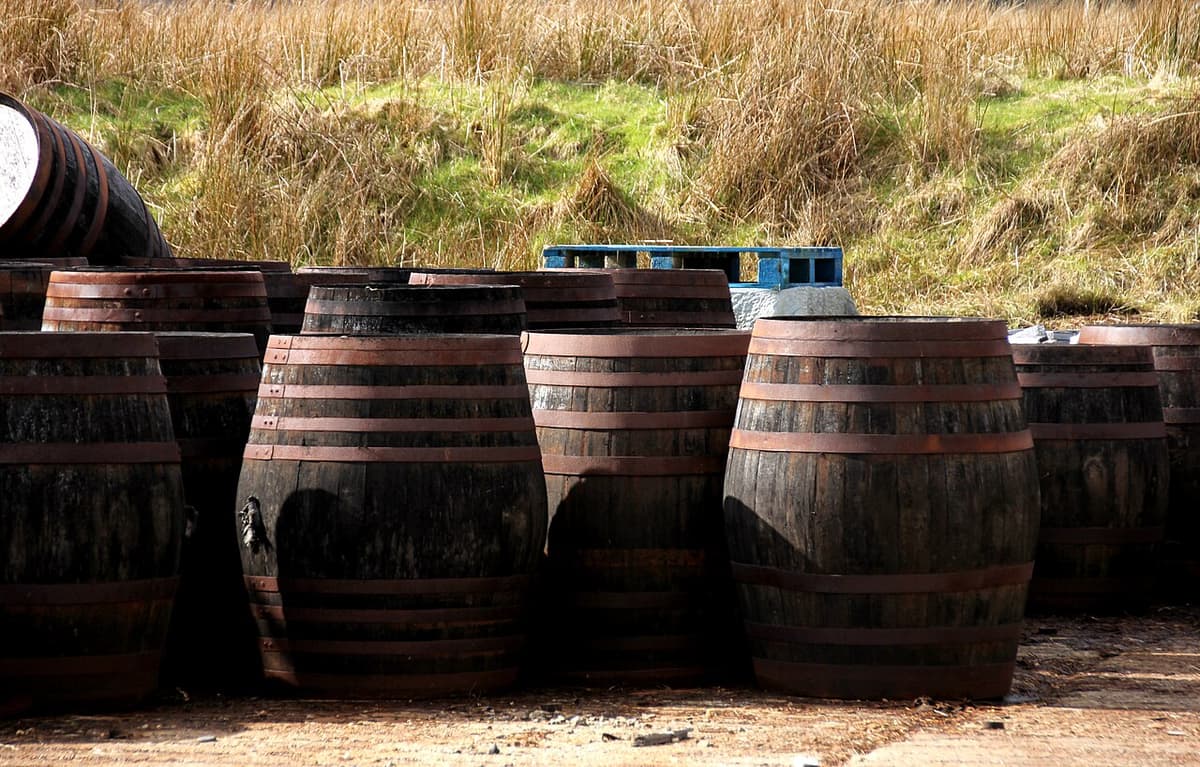
Scotch whisky is officially divided into five regions. Speyside has the greatest concentration of distilleries and a typically fruity, honeyed style; Highland is the largest and most varied region, and takes in the island distilleries of Skye, Mull, Orkney and Jura; Lowland malts tend to be light and grassy; Islay is famous for peat smoke and sea salt; and tiny Campbeltown is briny and distinctive. Most distilleries offer tours, usually booked ahead; drivers are given a sample to take away rather than drink. For a first taste, see our Speyside guide.
What to pack
- A properly waterproof jacket and, for walkers, waterproof trousers — whatever the month.
- Layers: a fleece or light insulated jacket even in July.
- Sturdy, broken-in walking shoes or boots; paths to places like the Fairy Pools and the Storr are rough and often wet.
- Midge repellent and a head net from late May to September in the west.
- A type G plug adapter and a power bank.
- Sunglasses and sun cream — the sun does come out, and summer days are very long.
- A swimsuit: the beaches are beautiful, the water bracing, and wild swimming is popular.
Accessibility
Major museums, newer attractions, city buses, trams and most trains are accessible, and ScotRail offers booked passenger assistance. Historic castles, cobbled streets such as Edinburgh’s Royal Mile, and hill paths are inevitably harder; Edinburgh and Stirling castles provide mobility vehicles or adapted routes for part of their sites — ask when booking. Many boat operators can take wheelchair users with notice.