Skip to content
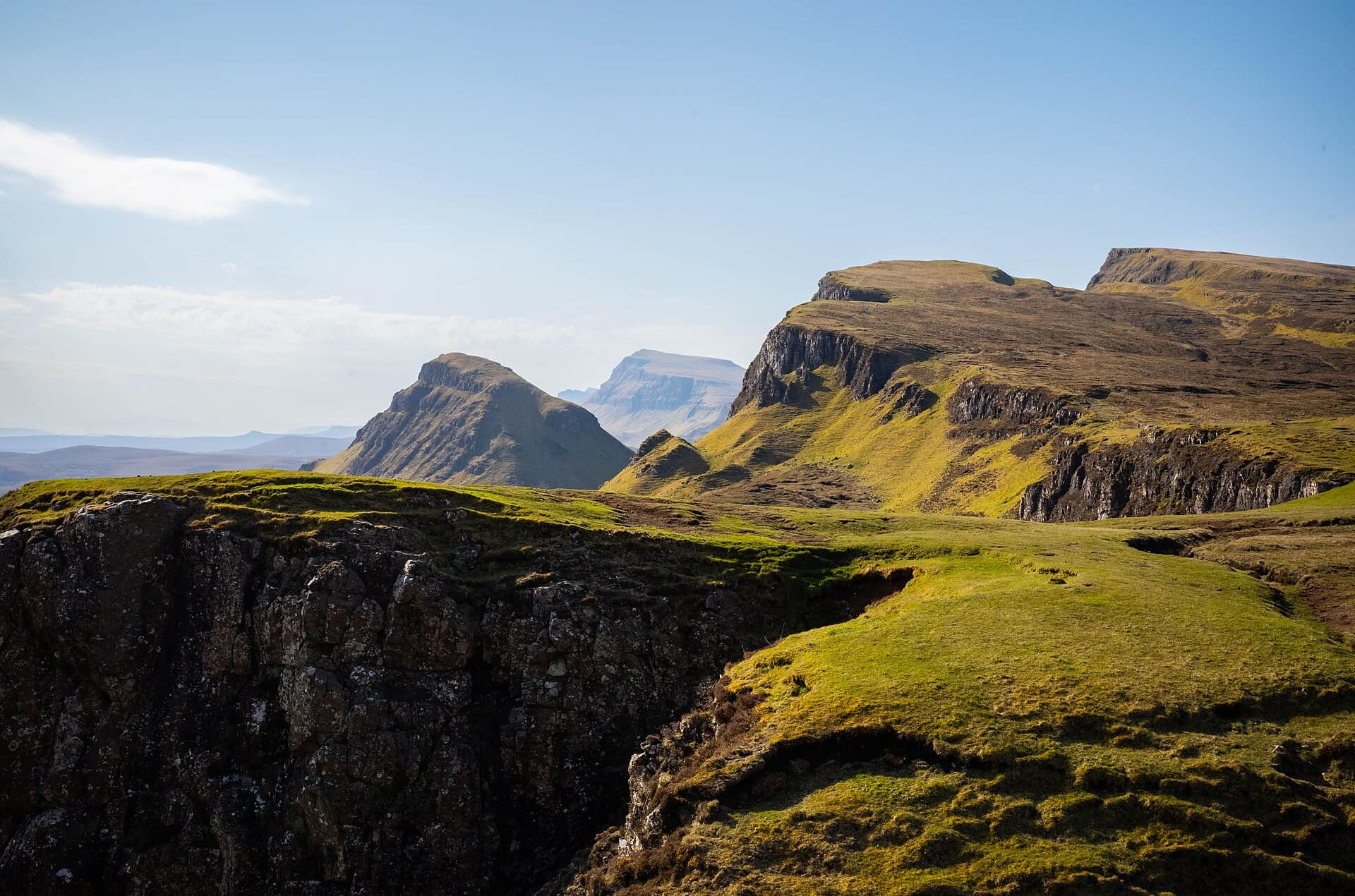
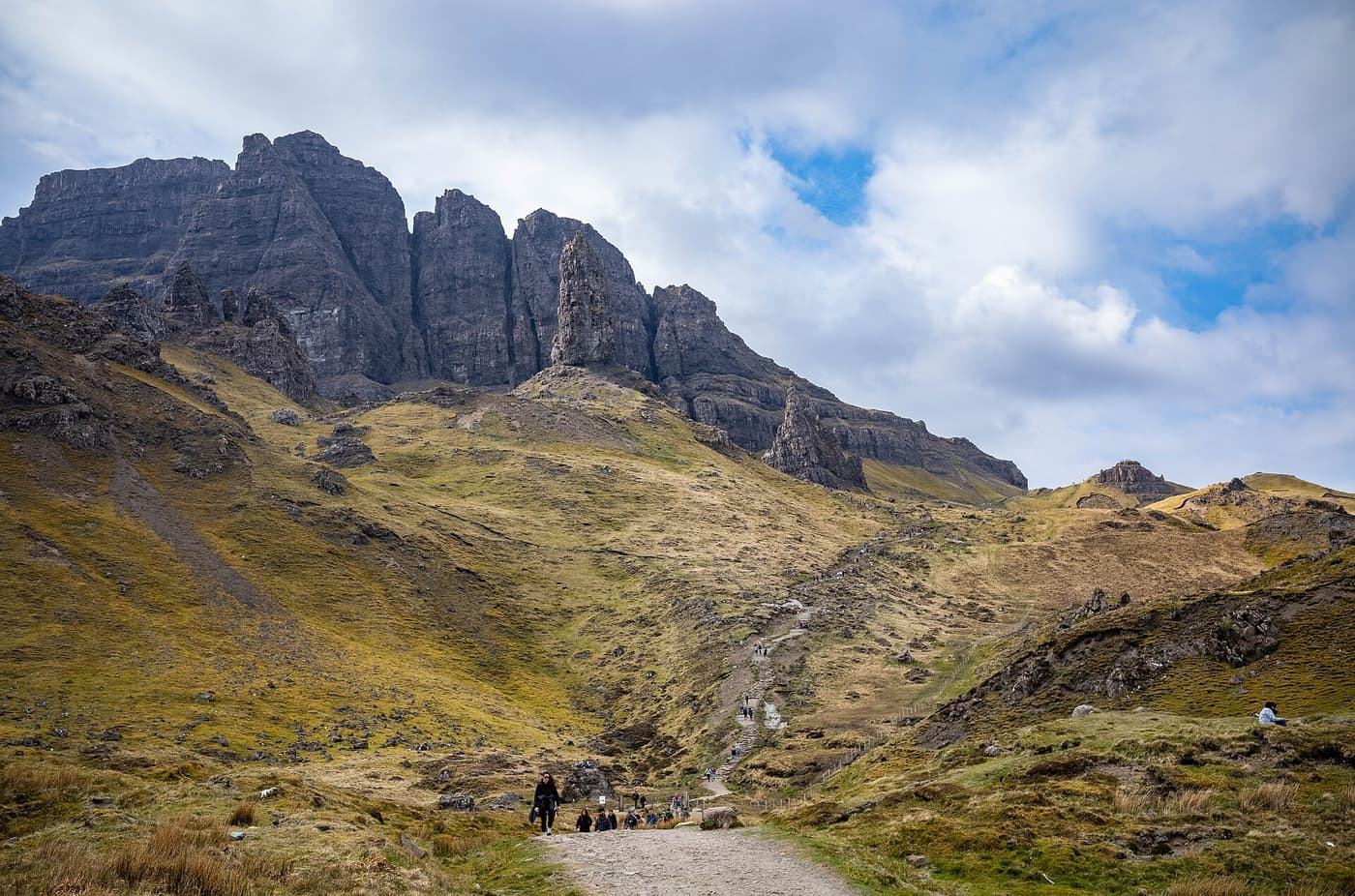
The ridges and pinnacles of the Quiraing on the Isle of Skye under a broken sky
The independent Scotland travel guide

Explore Scotland: cities, Highlands and islands

Castles on volcanic rock, sea lochs and single-track roads, 5,000-year-old villages and a distillery round most corners. Twelve destination guides, honest itineraries and the best tours to book before you go.

12 destination guidesTours checked on GetYourGuideFree cancellation on most bookings
Why Scotland

A small country that takes longer than you think

Scotland is about the size of Austria or South Carolina, yet a line on the map that looks like an hour’s drive can take three. That is the point: the journey between the famous places — the glen, the ferry, the empty beach — is usually the part people remember.

Most first visits start in Edinburgh or Glasgow, an easy 50 minutes apart by train, then head north-west into the Highlands for Glencoe, Loch Ness and the Isle of Skye. With more time, the map opens out: whisky country on Speyside, the golf and fishing villages of Fife, the island groups of the Hebrides and Orkney. This site is organised the way a trip is: pick the places, then see what there is to do, how to reach them and when to go.

790+islands, around 90 of them inhabited
282Munros — mountains over 3,000 ft
1,345 mBen Nevis, the highest point in the UK
5whisky regions
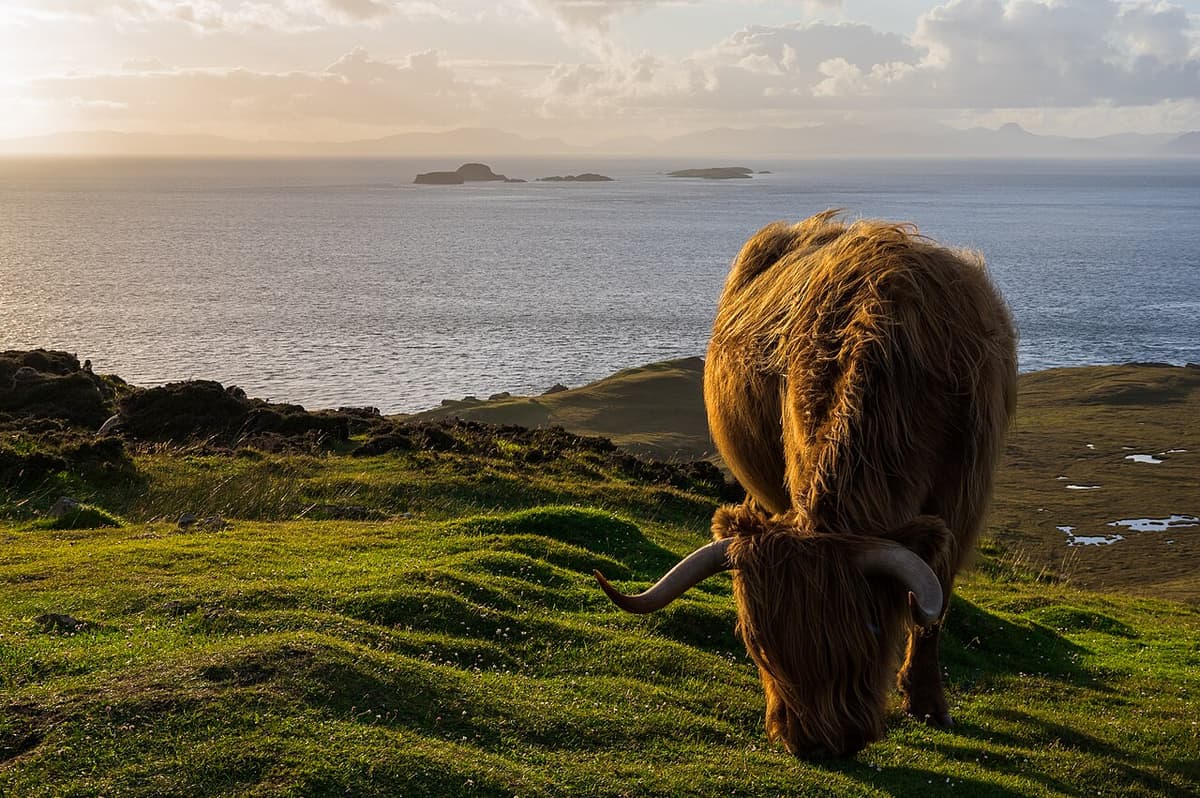
A shaggy, long-horned Highland cow grazing on a hillside above the sea
Where to go

Twelve destinations, each with its own guide

Every destination below is a small guide in itself: tours and tickets, things to see, getting there, practical advice and when to go.

Cities & the Central Belt

The Highlands

The Islands

Regions at a glance

Which part of Scotland suits your trip?

A quick comparison of what each area is best for and how much time it needs.

RegionBest forTime neededWithout a car?
EdinburghHistory, festivals, museums, first-time visitors2–4 daysYes — walk and use buses and trams
GlasgowArt, music, architecture, food, nightlife1–3 daysYes — subway, trains and buses
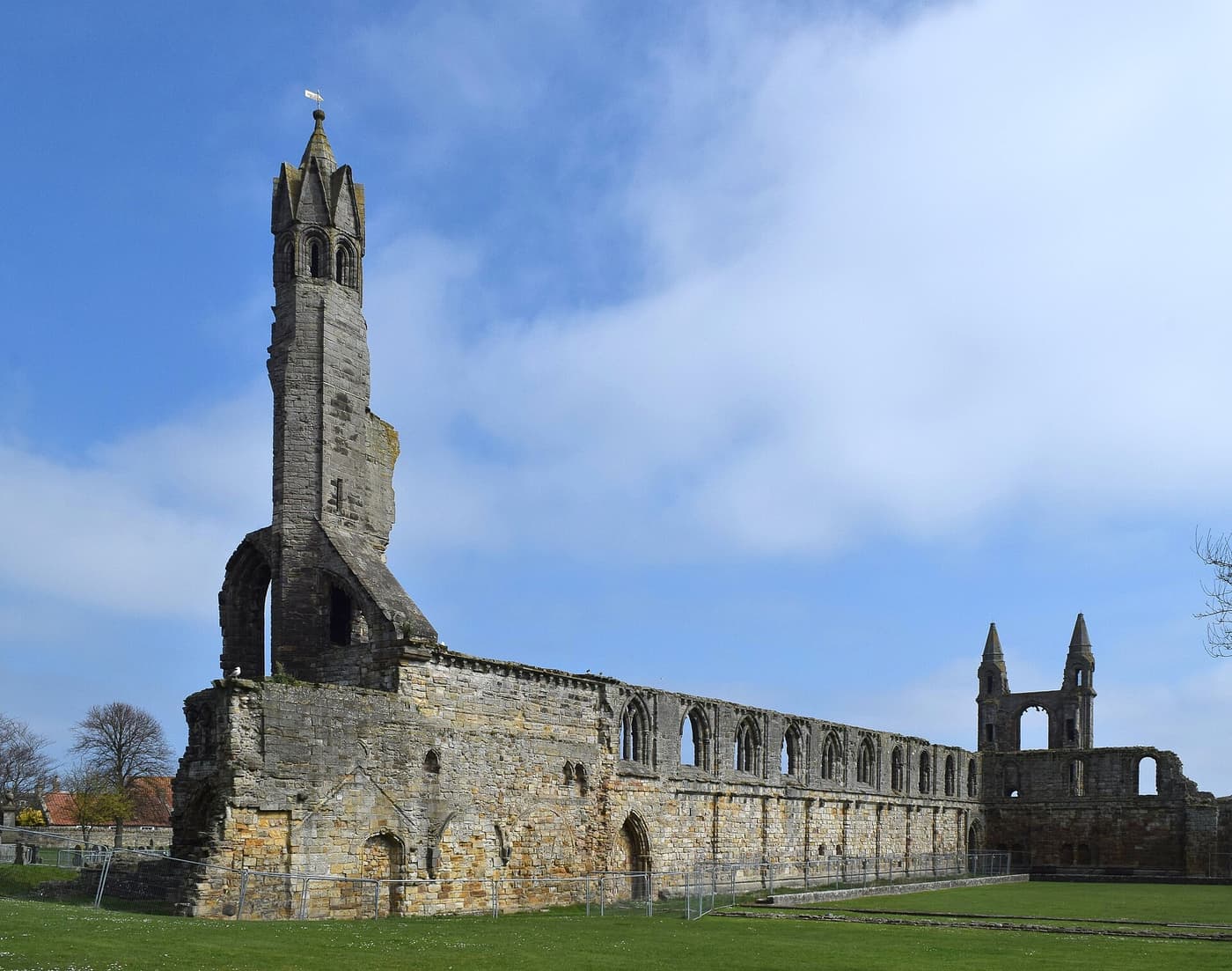
Stirling & FifeCastles, battlefields, golf, fishing villages1–2 days eachMostly — trains and buses, or a day tour
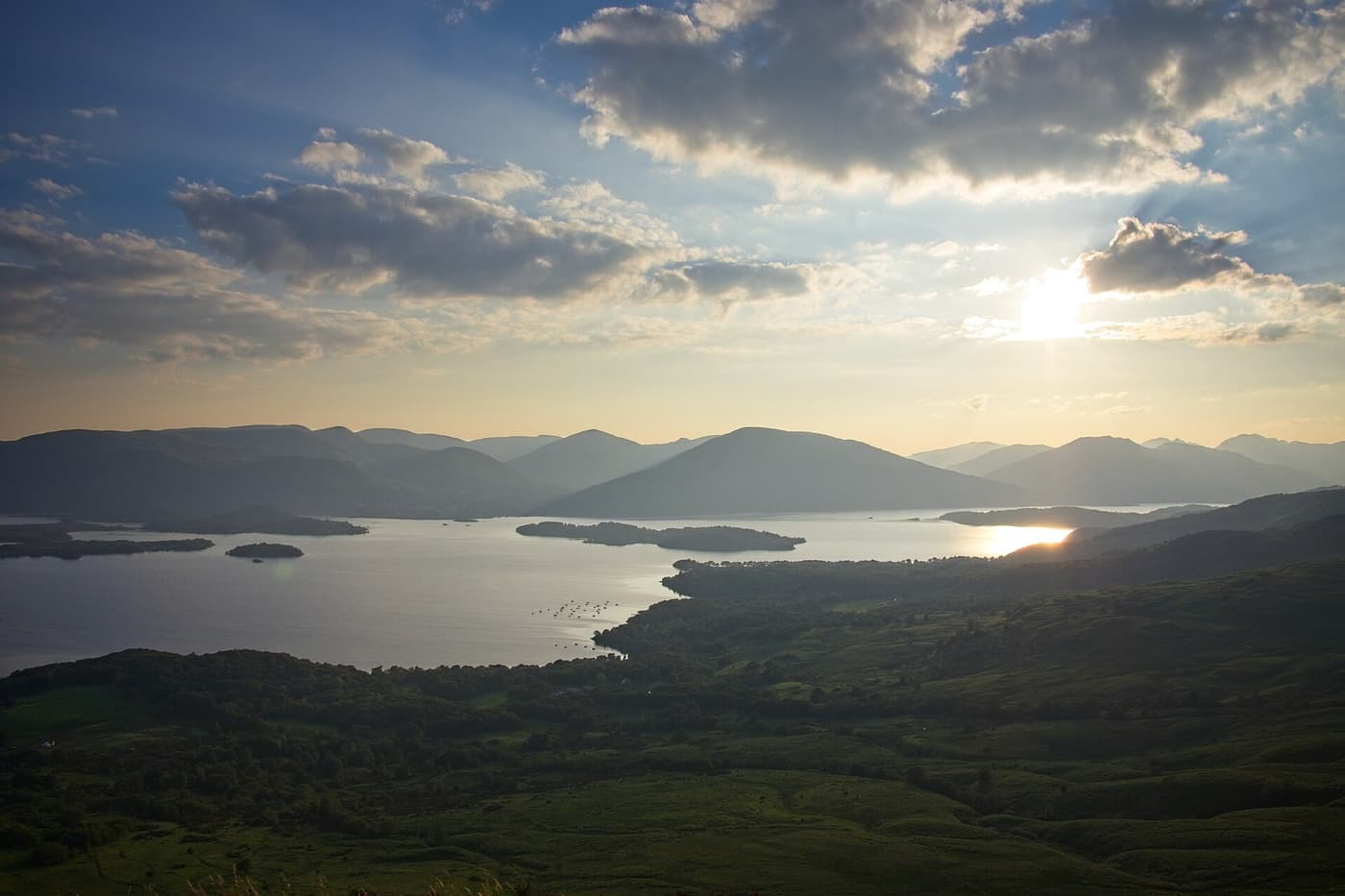
Loch Lomond & The TrossachsGentle hills, cruises, the first taste of the Highlands1–2 daysPartly — train to Balloch, then boats
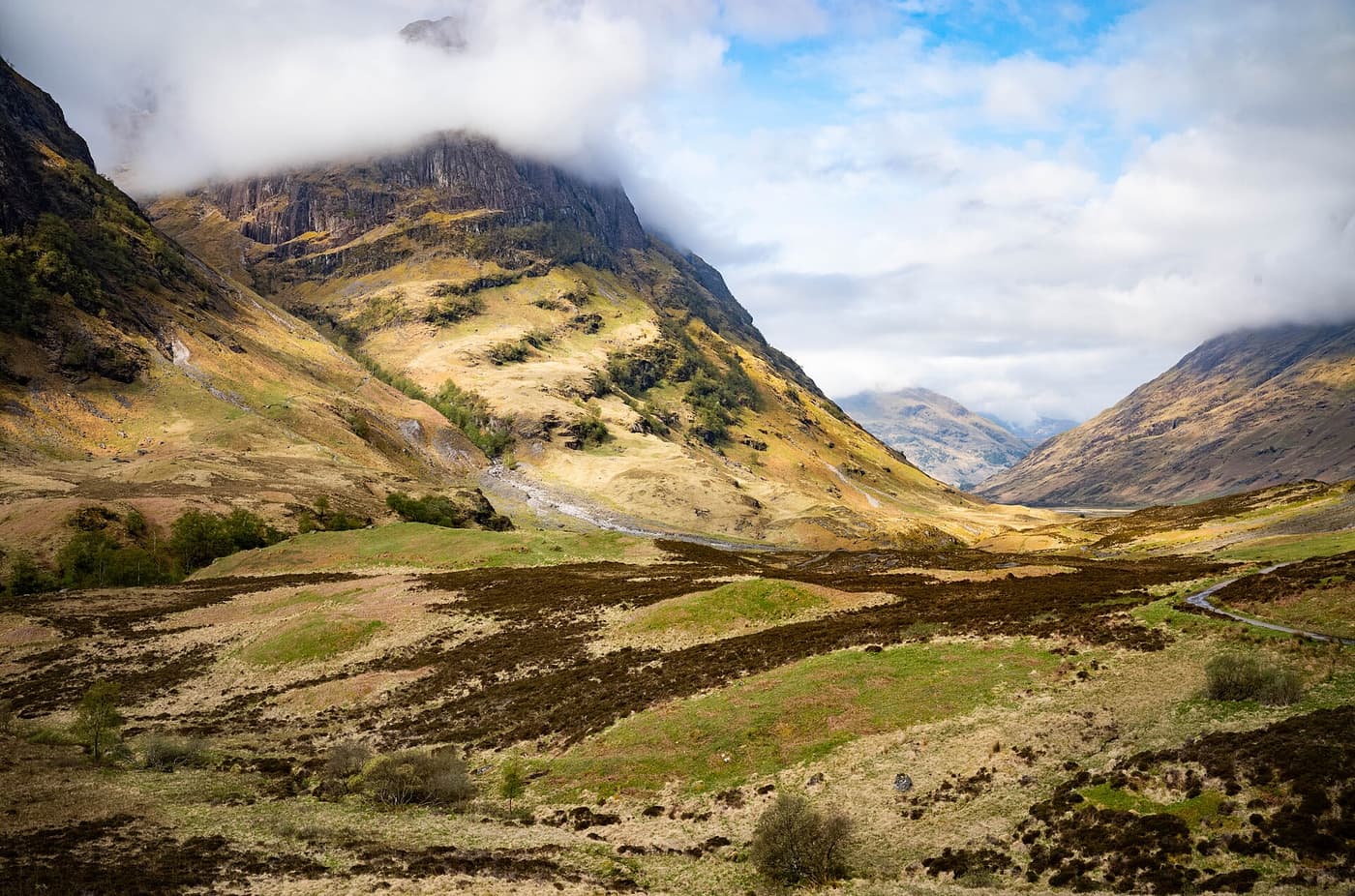
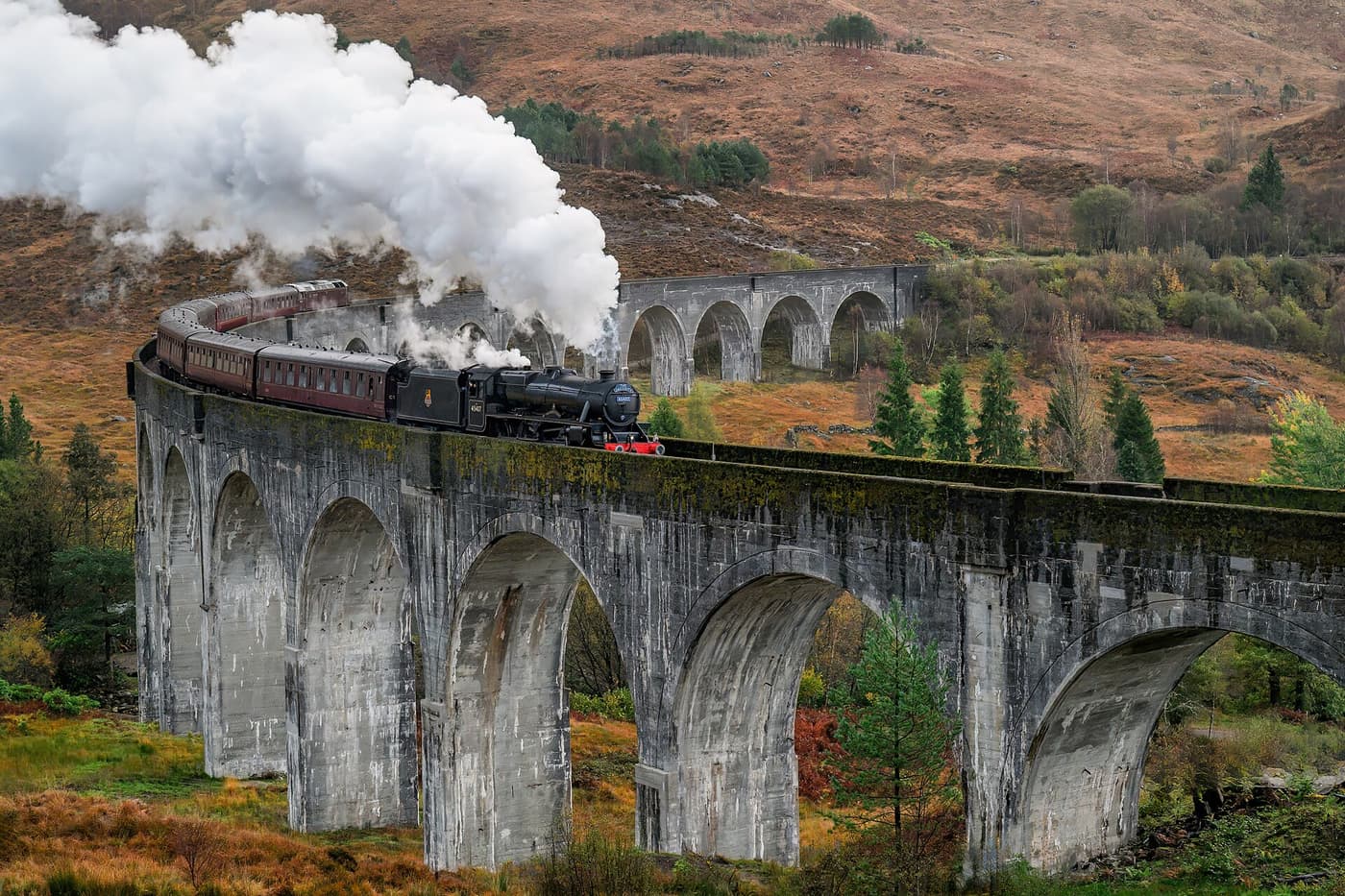
Glencoe & Fort WilliamMountain scenery, hiking, the steam train2–3 daysPartly — train or coach to Fort William, tours beyond
Loch Ness & InvernessCruises, Culloden, a base for day trips2–3 daysYes — plenty of tours from Inverness
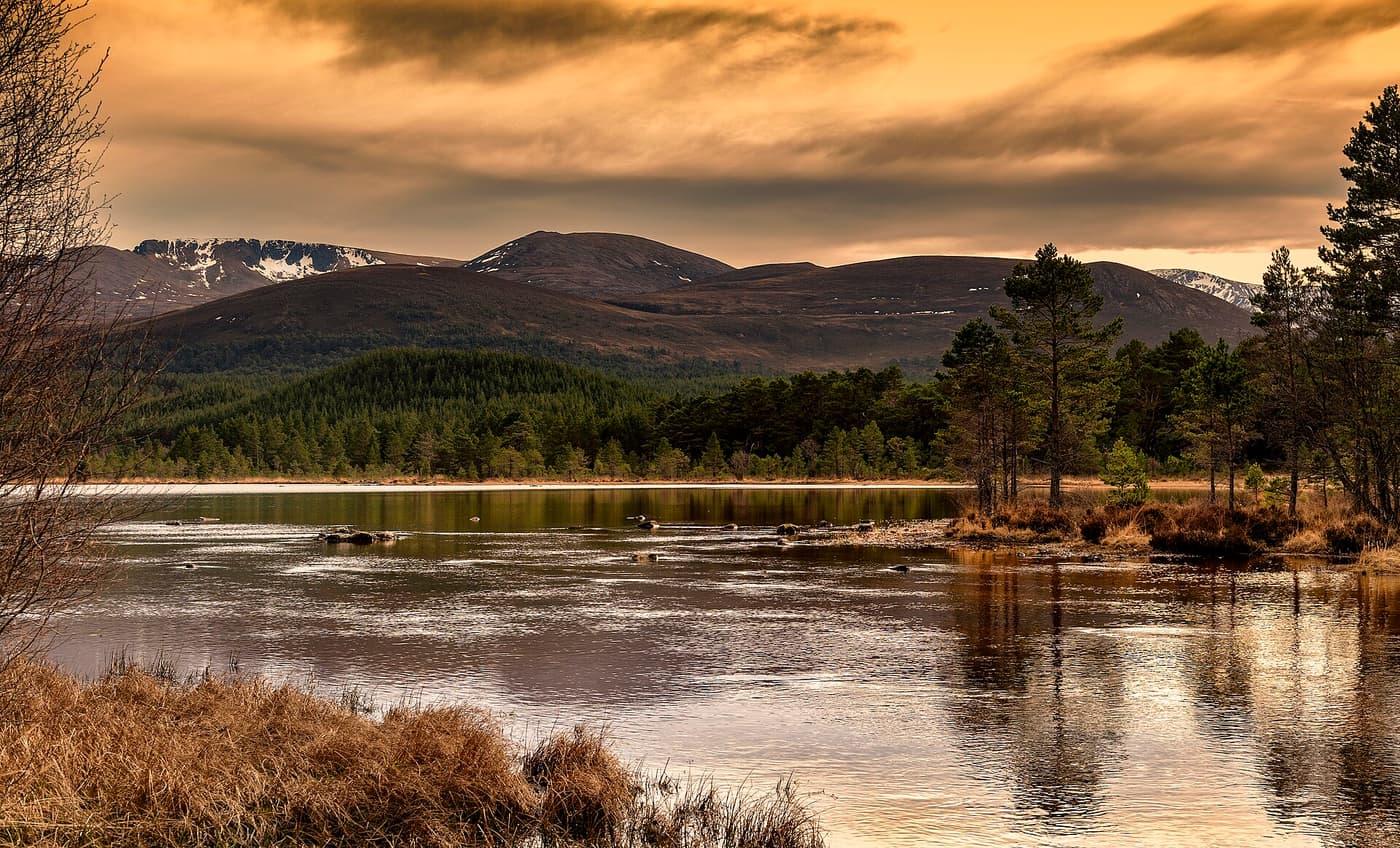
Speyside & the CairngormsWhisky, forests, wildlife, winter sports2–4 daysPartly — train to Aviemore; a car or tour for distilleries
Isle of SkyeDramatic landscapes and photography2–4 daysDifficult — take a tour or hire a car
Mull, Iona & StaffaWildlife, boat trips, an ancient abbey2–3 daysPossible — ferry plus tour buses in season
Outer HebridesBeaches, standing stones, Gaelic culture3–5 daysDifficult — limited buses, none on Sundays in places
OrkneyNeolithic sites, sea cliffs, wartime history2–4 daysPossible — guided tours cover the main sites
Tours & tickets

Top-rated tours across Scotland

Real products from GetYourGuide, chosen from several destinations. Prices are indicative “from” prices in euros; tap through for live prices and dates.

Powered by GetYourGuide
When to go

Scotland through the year

Spring (March–May)

Lengthening days, snow still on the tops, lambs and gorse in flower. May is often the driest, clearest month, and the midges have not yet arrived.

Summer (June–August)

Light until 10 or 11 pm, every ferry and attraction running, festivals in Edinburgh — and peak prices, full car parks on Skye and midges in the west.

Autumn (September–November)

September is a quiet favourite: warm-ish seas, heather and then gold birch and bracken, the red deer rut. Days shorten quickly from October.

Winter (December–February)

Short days, snow on the hills, log fires, low prices and a chance of the northern lights. Some rural attractions and island services close or thin out.

Where to stay

Beds fill before flights do

Skye, the North Coast 500 and Edinburgh in August sell out months ahead. Check what is available for your dates before you fix the route.

Plan your Scotland trip

See more of Scotland with less planning

From a castle ticket in Edinburgh to three days on Skye, the best-reviewed tours sell out in summer. Compare options, check live prices and reserve your place in a couple of taps.

Good to know

Planning a trip to Scotland: quick answers

Frequently asked questions

How many days do you need in Scotland?

Five days is enough for Edinburgh plus a short loop into the Highlands. Seven to ten days lets you add the Isle of Skye and Loch Ness without rushing, and two weeks opens up the outer islands. See our sample itineraries.

Do I need a car?

Not for the cities, nor for a first trip built around Edinburgh, Glasgow, Stirling and Inverness, which are linked by frequent trains. A car (or guided tours) becomes very useful for Skye, the north-west and the islands. Our transport guide explains the options.

Do I need a visa or an ETA?

Scotland is part of the United Kingdom, so UK entry rules apply. Many visitors who do not need a visa — including most Europeans, Americans, Canadians and Australians — now need an Electronic Travel Authorisation (ETA) bought online before travel. Rules and fees change, so check the official UK government website; there is more in our travel guide.

When is the best time to visit?

May, June and September usually offer the best balance of daylight, weather and crowds. July and August are the warmest and busiest months. See when to go.

What are midges, and how bad are they?

Tiny biting flies found mainly in the western Highlands and islands from about late May to September, worst on still, damp mornings and evenings. They are a nuisance rather than a danger: repellent, long sleeves and a breeze keep them off.

Is Scotland expensive?

Accommodation is the main cost and varies hugely by season; Edinburgh in August and Skye in summer are dear. Many of the best things — hills, beaches, national museums — are free.