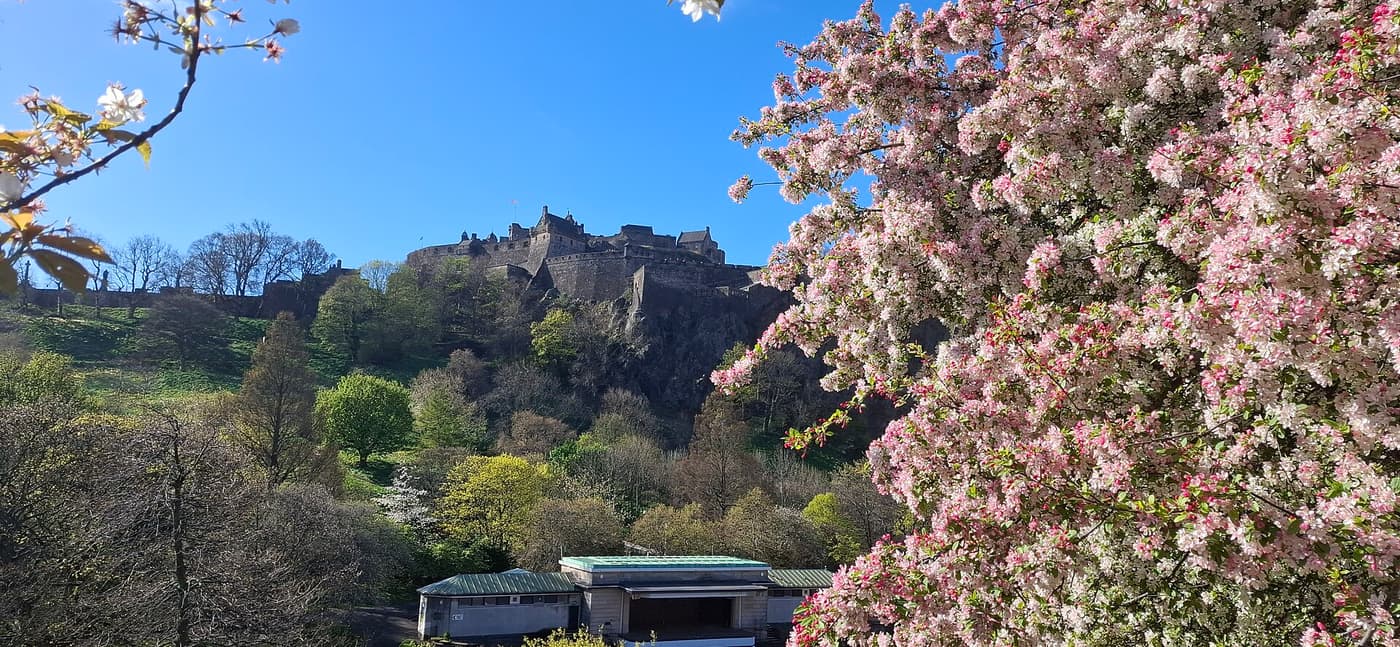
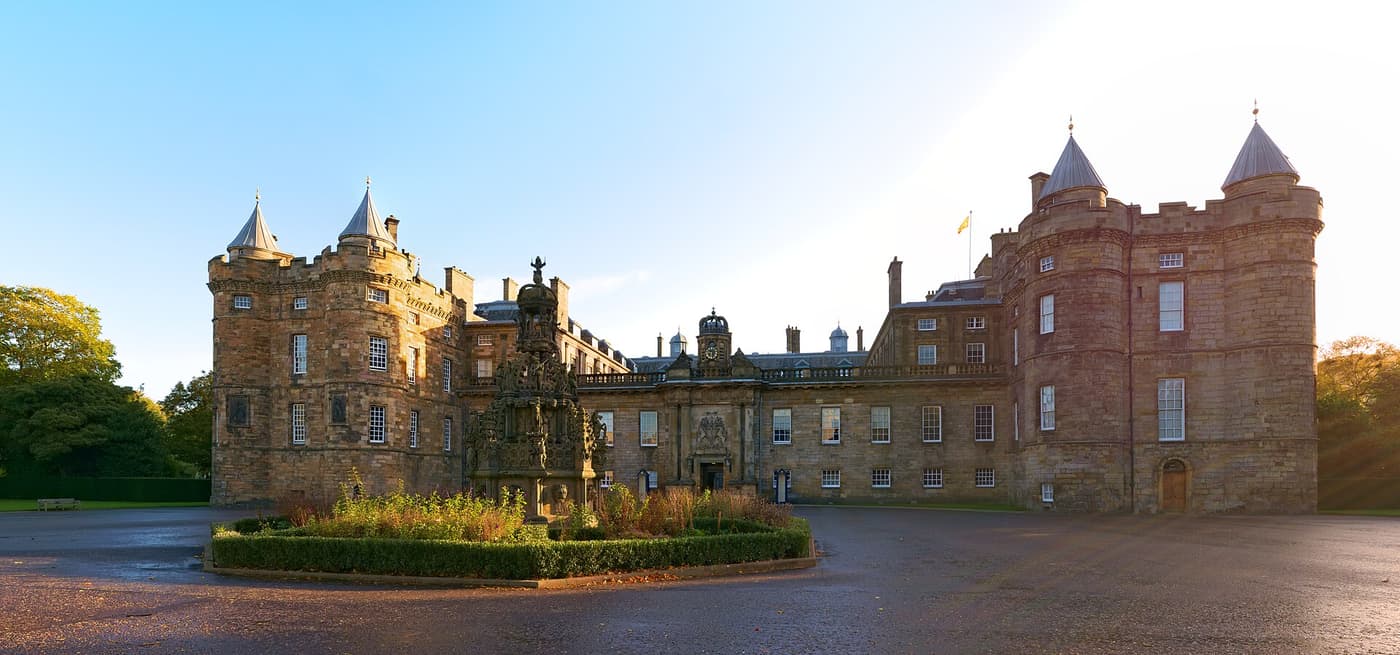
Edinburgh is built on the remains of volcanoes and it shows: the castle sits on one plug of rock, Arthur’s Seat rises from another, and the streets between them climb and drop in a way that turns every corner into a viewpoint. The medieval Old Town runs down a ridge from the castle to the Palace of Holyroodhouse; across the valley the 18th-century New Town is laid out in calm Georgian terraces. Together they are a UNESCO World Heritage Site.
It is also the easiest place in Scotland to visit. The airport is half an hour away by tram, the centre is walkable, the big museums are free, and day tours leave every morning for the Highlands, Loch Ness, St Andrews and Stirling. In August the city hosts the Festival Fringe, the International Festival and the Military Tattoo all at once; at New Year it throws one of the world’s great Hogmanay parties.
Highlights
- Edinburgh Castle — the Crown Jewels of Scotland, the Great Hall and the One o’Clock Gun
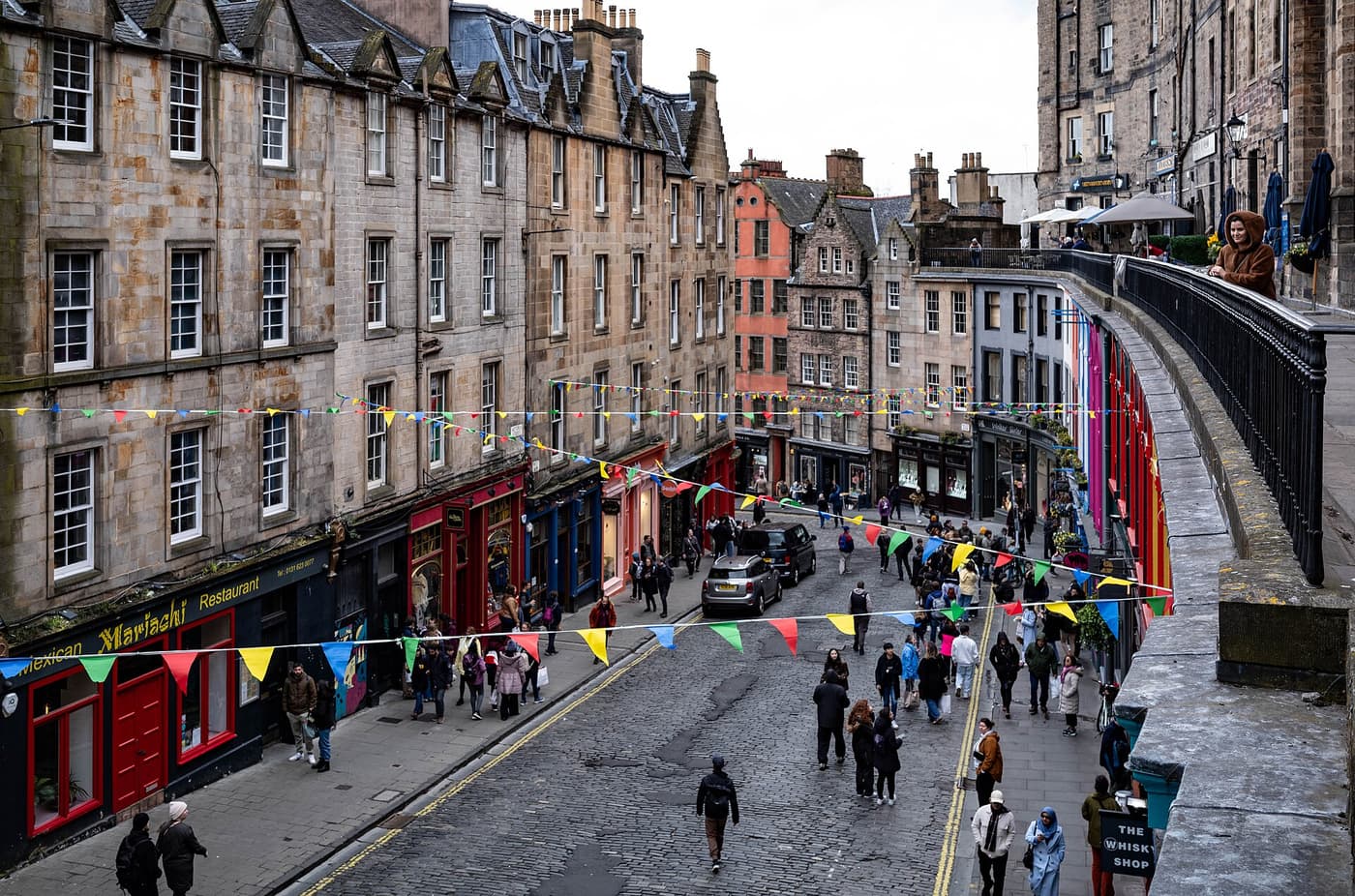
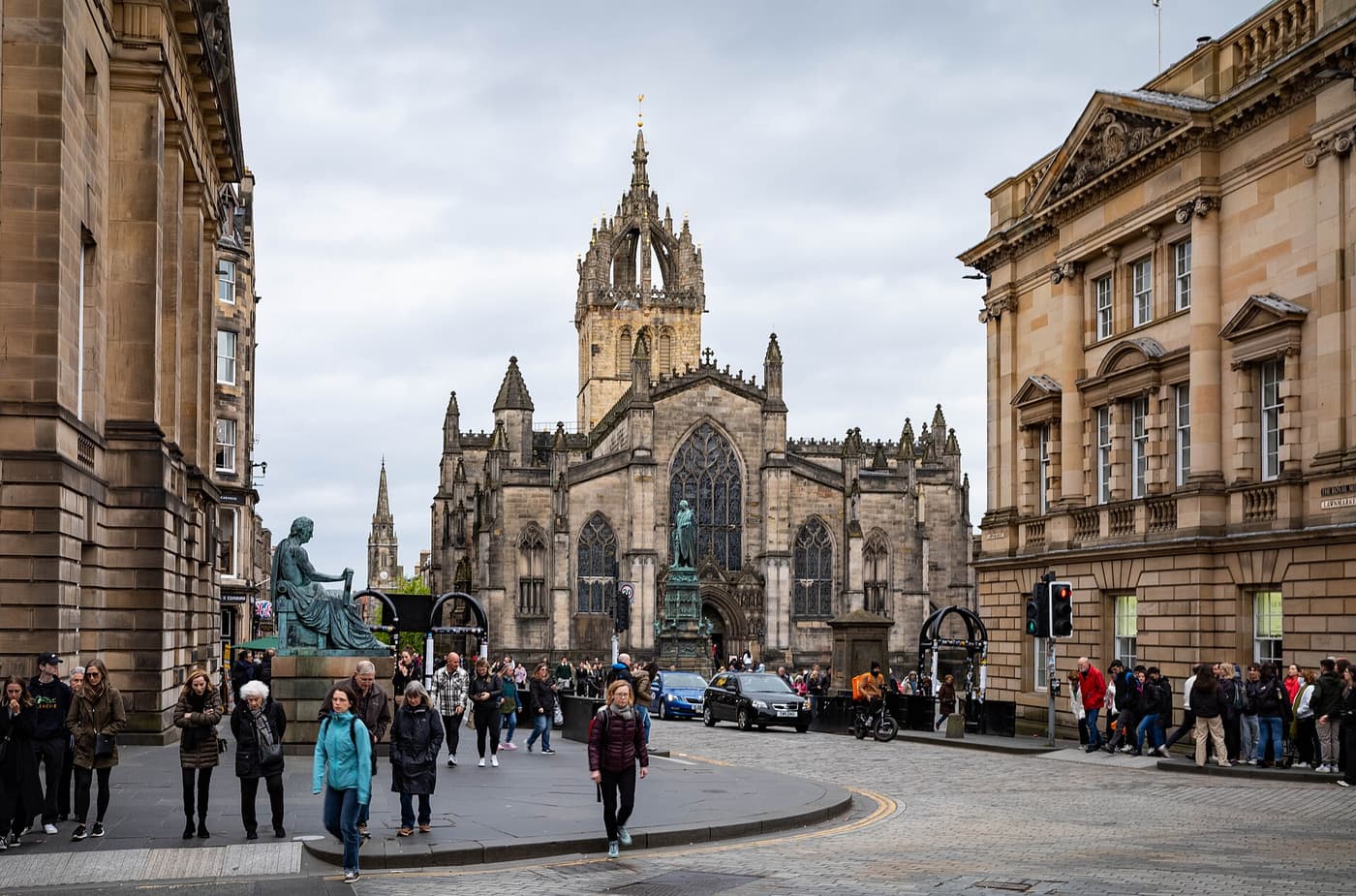
- The Royal Mile and its closes, from the castle esplanade down to Holyrood
- Arthur’s Seat — a 251 m hill walk with a city at its feet
- The National Museum of Scotland — free, enormous and excellent in the rain
- Calton Hill at sunset and the Georgian New Town
- Whisky bars, the port of Leith and the Royal Yacht Britannia
How long to stay
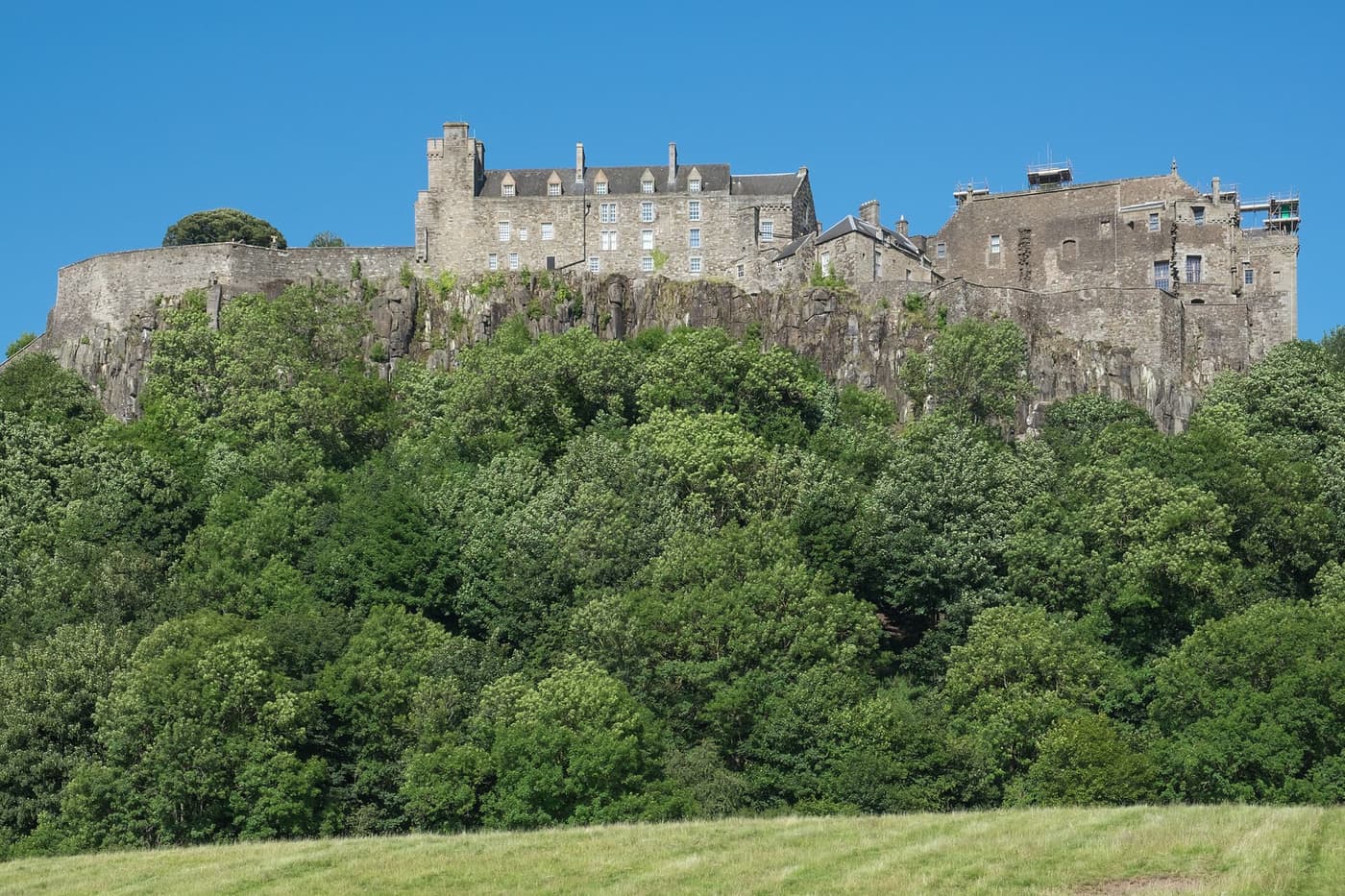
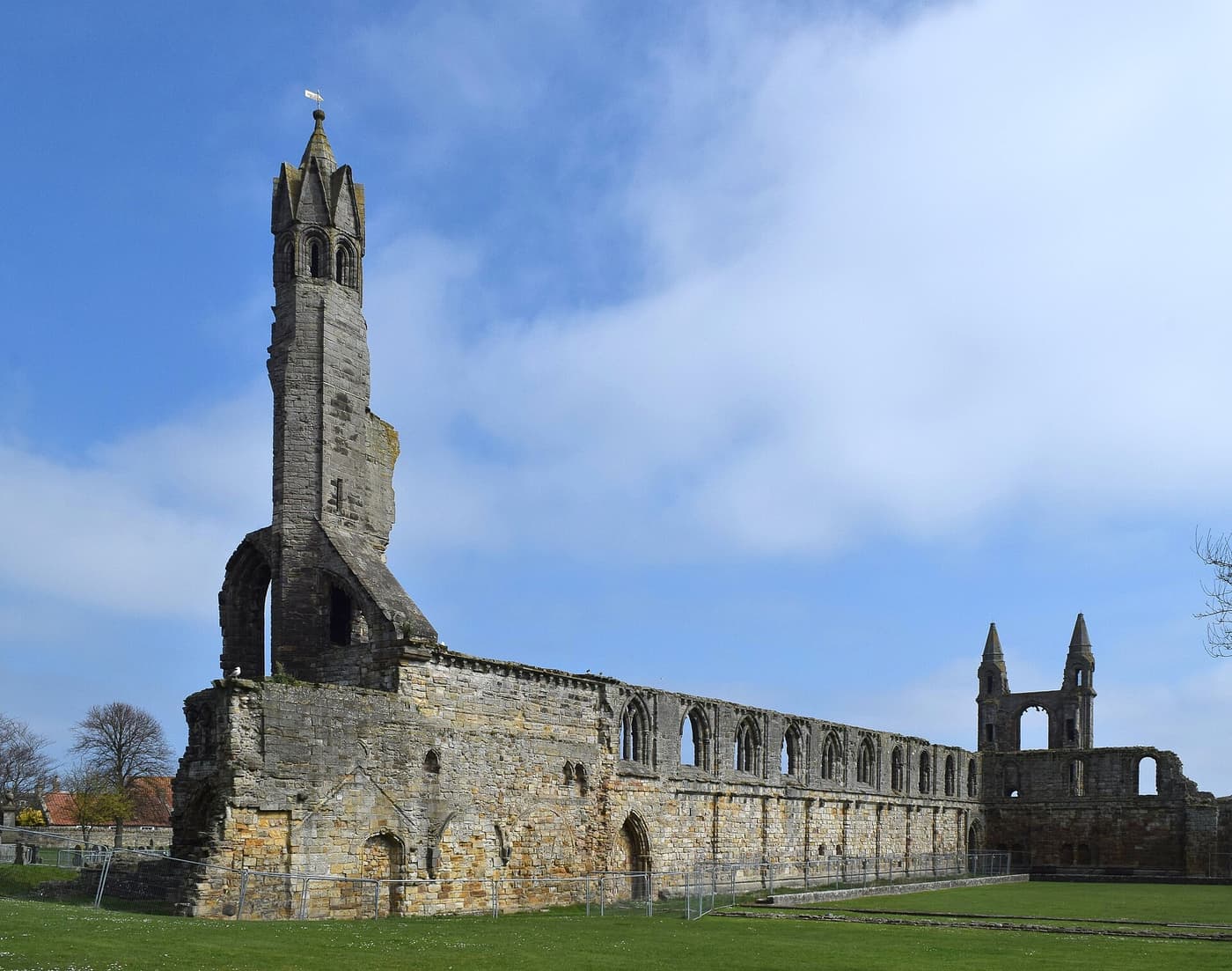
Two full days cover the castle, the Old Town, Holyrood and Arthur’s Seat. Three or four let you add the museums, Leith, the New Town and a day trip — to Stirling, St Andrews or the Highlands.
Best base
For a short stay, sleep in or beside the Old Town or the New Town, where everything is within walking distance. Leith and Stockbridge have more local character and better-value restaurants, a short bus or tram ride out.