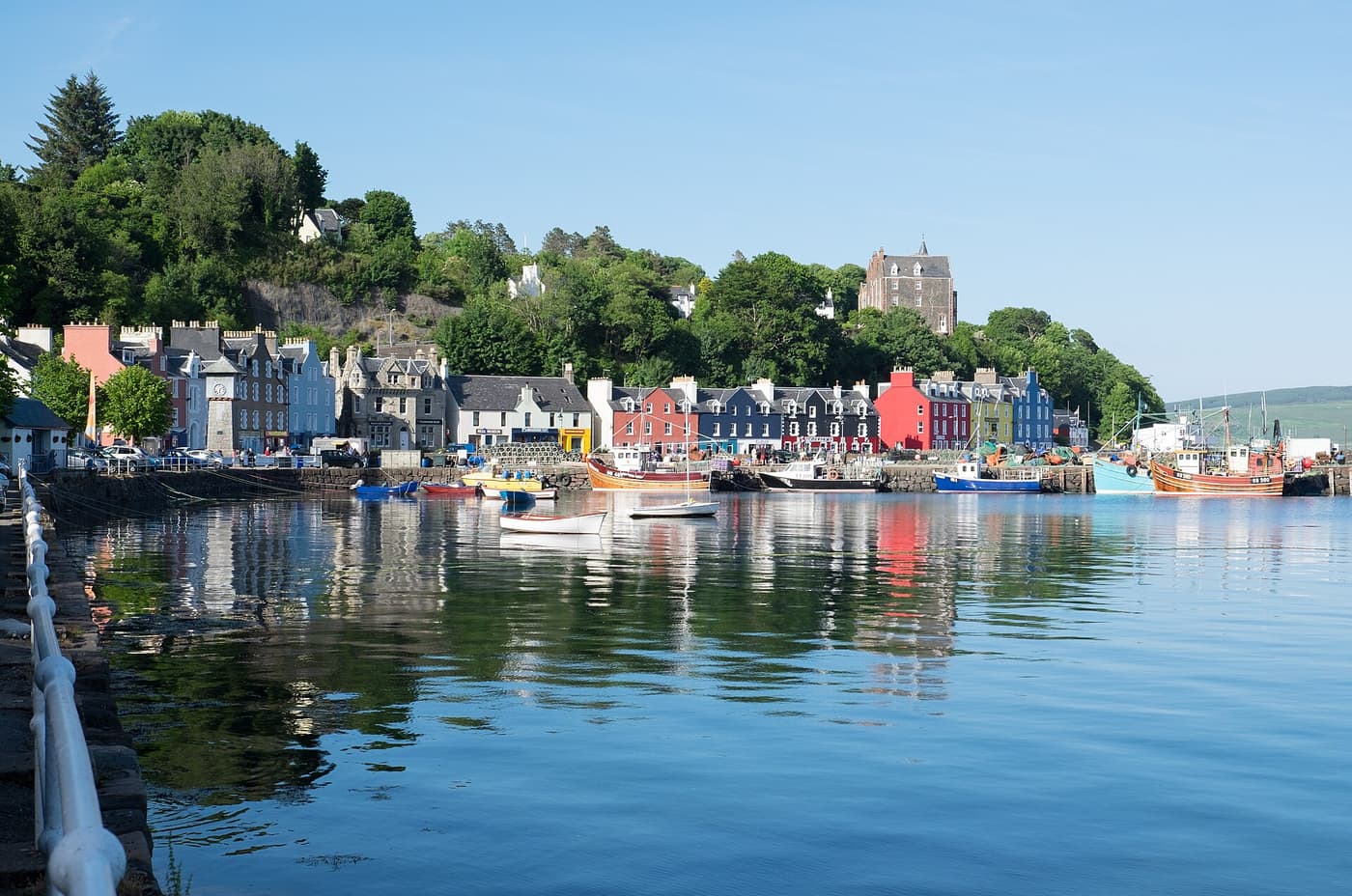
Mull is the second-largest island of the Inner Hebrides and one of the most varied: a mountainous interior rising to Ben More, 300 miles of indented coastline, white-sand bays in the west and sheltered woods in the east. Fewer than 3,000 people live here, most of them around Tobermory, whose curving waterfront of brightly painted houses is one of the best-known views in Scotland. Mull is also the finest place in Britain to see white-tailed sea eagles, otters and, offshore, whales and dolphins.
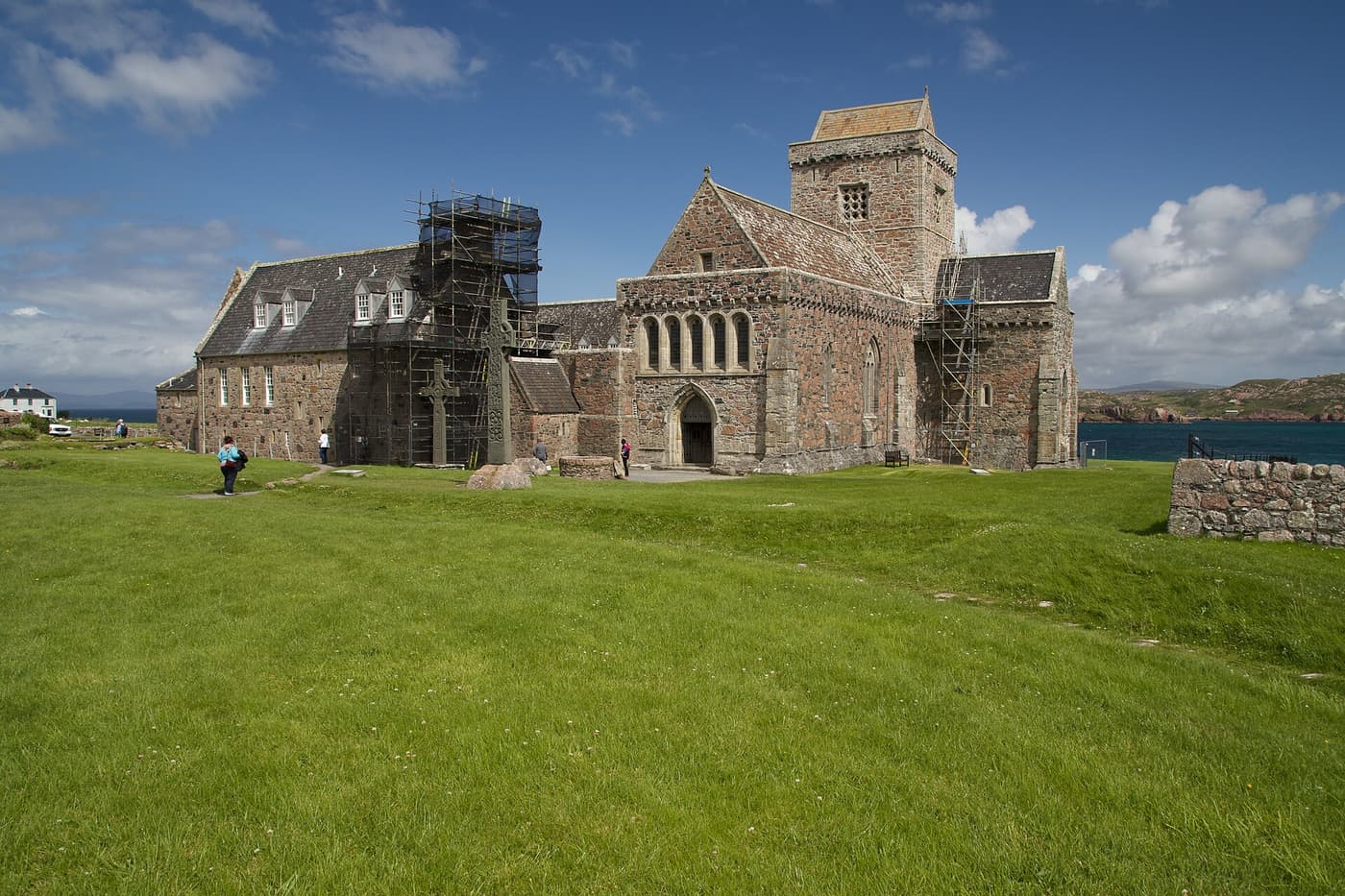
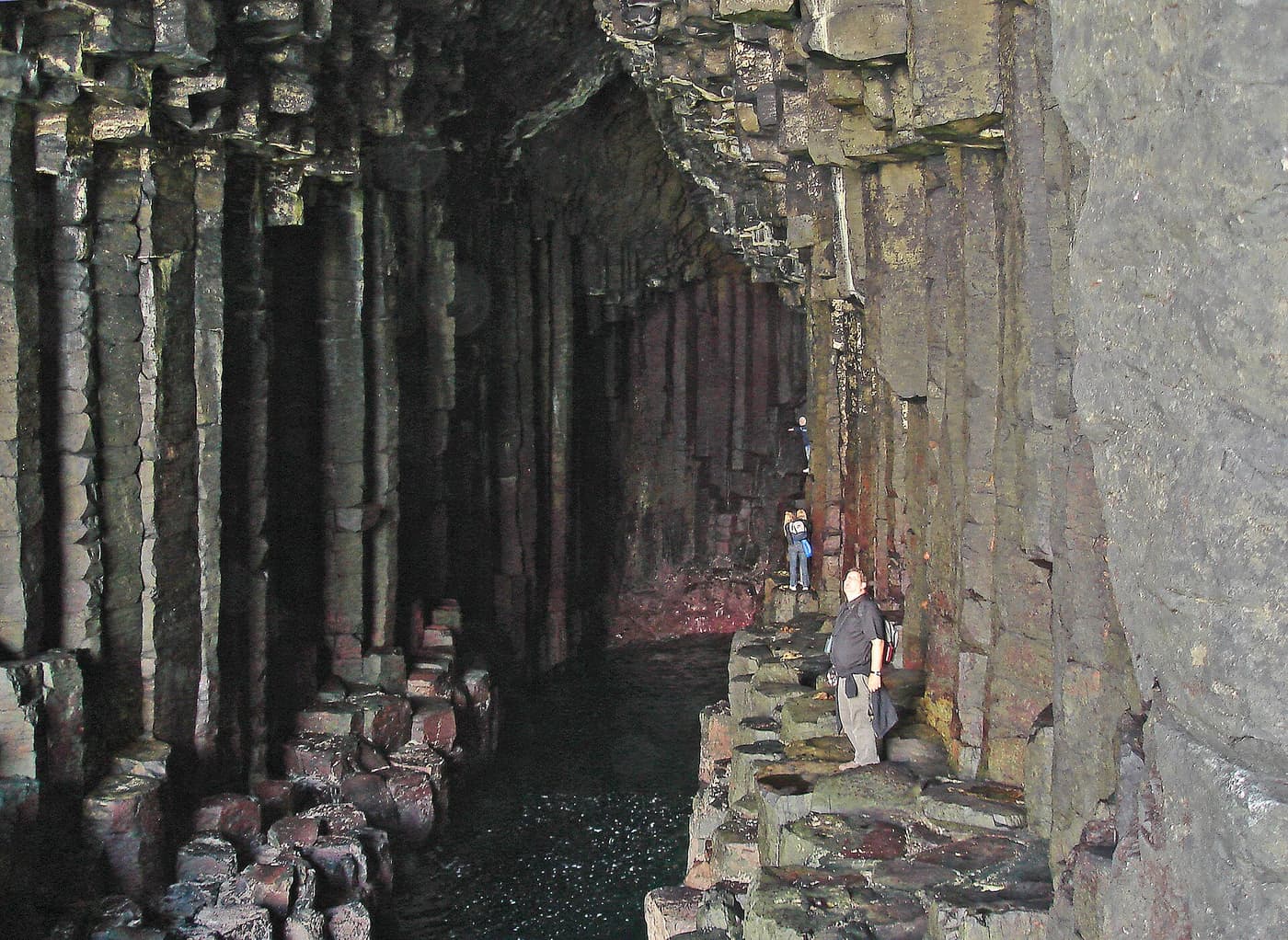
Off its south-western tip lie two small islands of very different fame. Iona, where St Columba landed from Ireland in AD 563, was for centuries the spiritual heart of Scotland and is still a place of pilgrimage; its restored abbey stands among fields and beaches of dazzling white sand. Staffa is a block of hexagonal basalt columns rising from the sea, hollowed by Fingal’s Cave — and, from late April to early August, home to puffins that seem to enjoy human company.
Highlights
- The waterfront of Tobermory
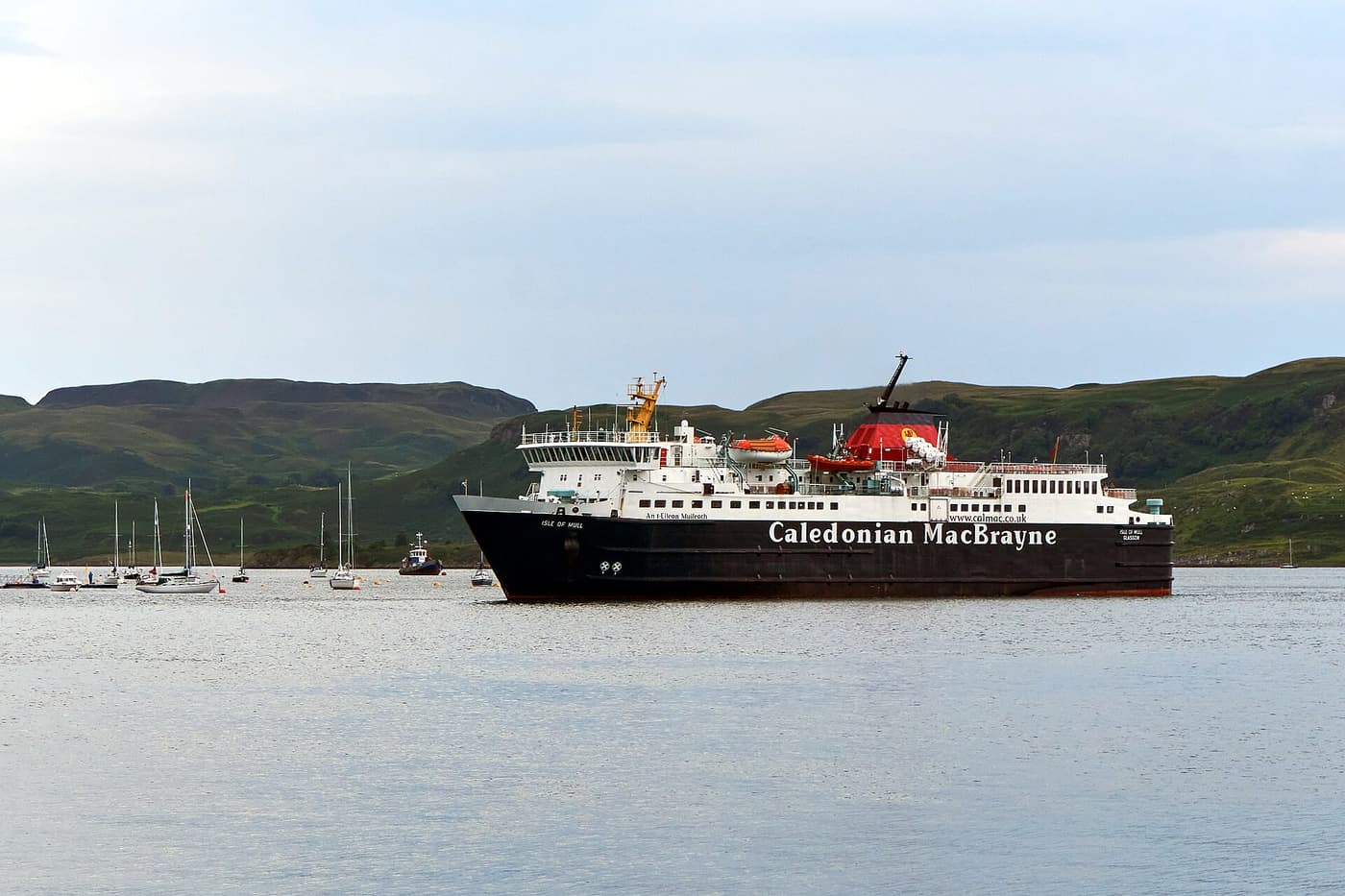
- The ferry and walk to Iona Abbey and the island’s white beaches
- A boat trip to Staffa and into the mouth of Fingal’s Cave
- Puffins on Lunga and Staffa (late April to early August)
- Watching for sea eagles, otters and whales
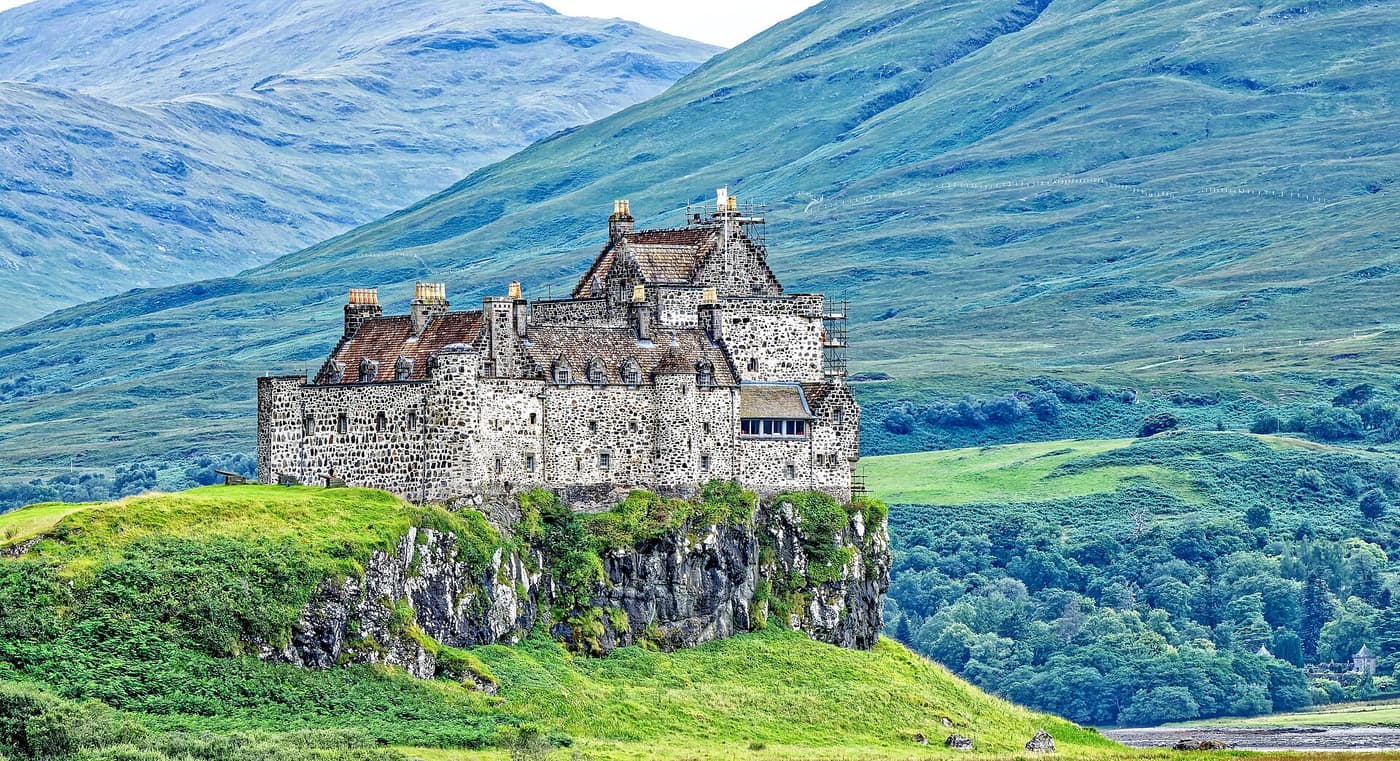
- Duart Castle, Calgary Bay and the seafood of Oban
How long to stay
A long day trip from Oban can take in Mull, Staffa and Iona on a combined “three isles” tour. To do the islands justice, stay two or three nights on Mull: one day for Iona and Staffa, one for Tobermory and the north, one for wildlife or the west coast.
Best base
Tobermory has the most places to stay and eat but is 1¼–1½ hours’ drive from the Iona ferry. Craignure is by the main ferry terminal; Fionnphort and Bunessan on the Ross of Mull are best for Iona and Staffa. You can also stay on Iona itself, or use Oban on the mainland as a base for day tours.