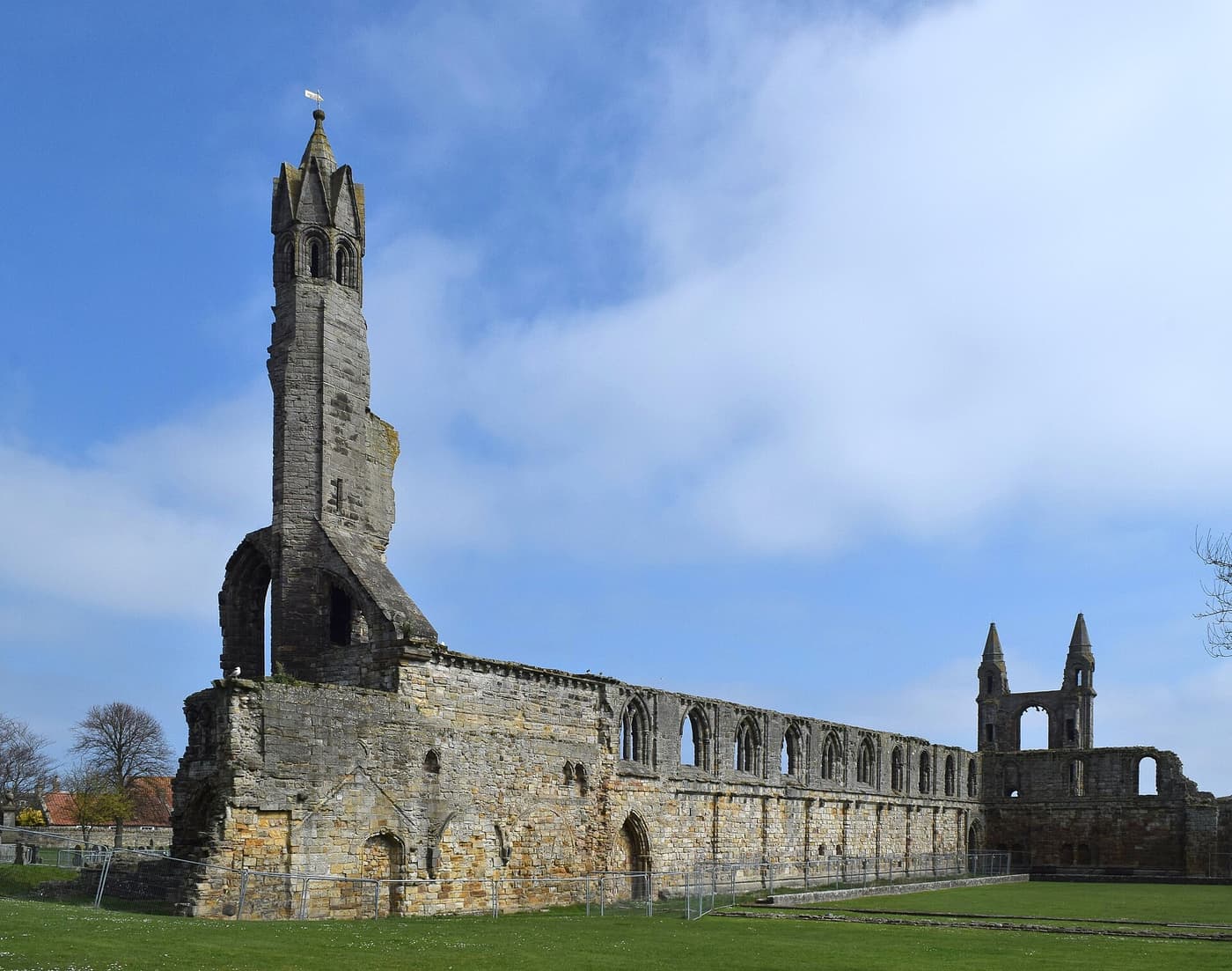
St Andrews is small — you can walk across it in twenty minutes — and extraordinarily dense with history. In the Middle Ages it was the religious capital of Scotland, and the shell of its vast cathedral still dominates the headland. Its university, founded in 1413, is the oldest in the country. And on the links to the north-west, people have been hitting balls at holes for some six hundred years: the Old Course is where the modern game of golf took shape.
The town sits in the north-east corner of Fife, the peninsula between the Firths of Forth and Tay that still likes to call itself a kingdom. South of St Andrews, the East Neuk is a string of old fishing villages with red pantiled roofs and crow-stepped gables; inland are the Renaissance palace at Falkland and Dunfermline, burial place of Scottish kings. It is gentle, sunny (by Scottish standards) country, and a refreshing contrast to the Highlands.
Highlights
- The ruins of St Andrews Cathedral and the climb up St Rule’s Tower
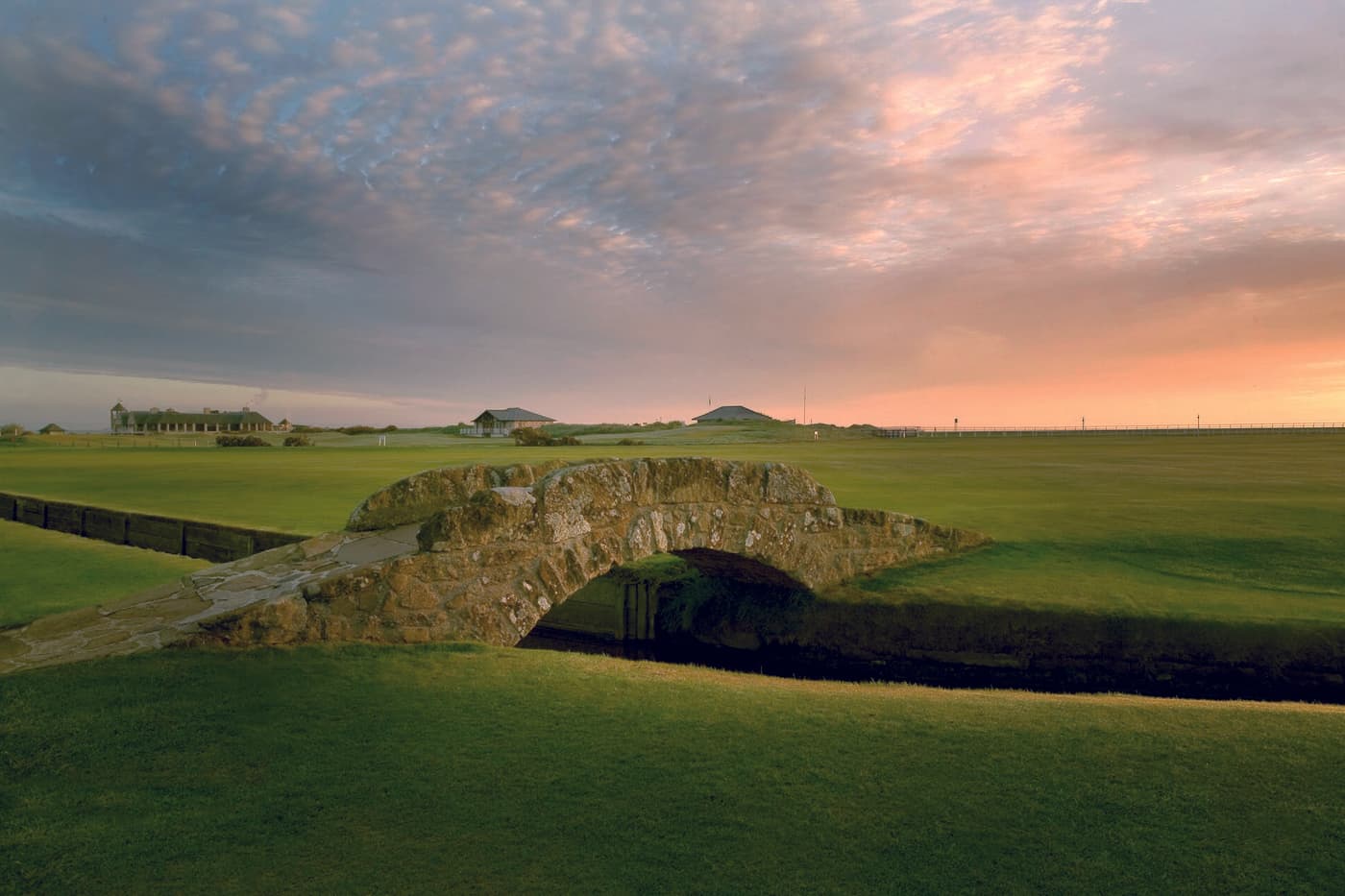
- Walking the Old Course to the Swilcan Bridge — free on Sundays
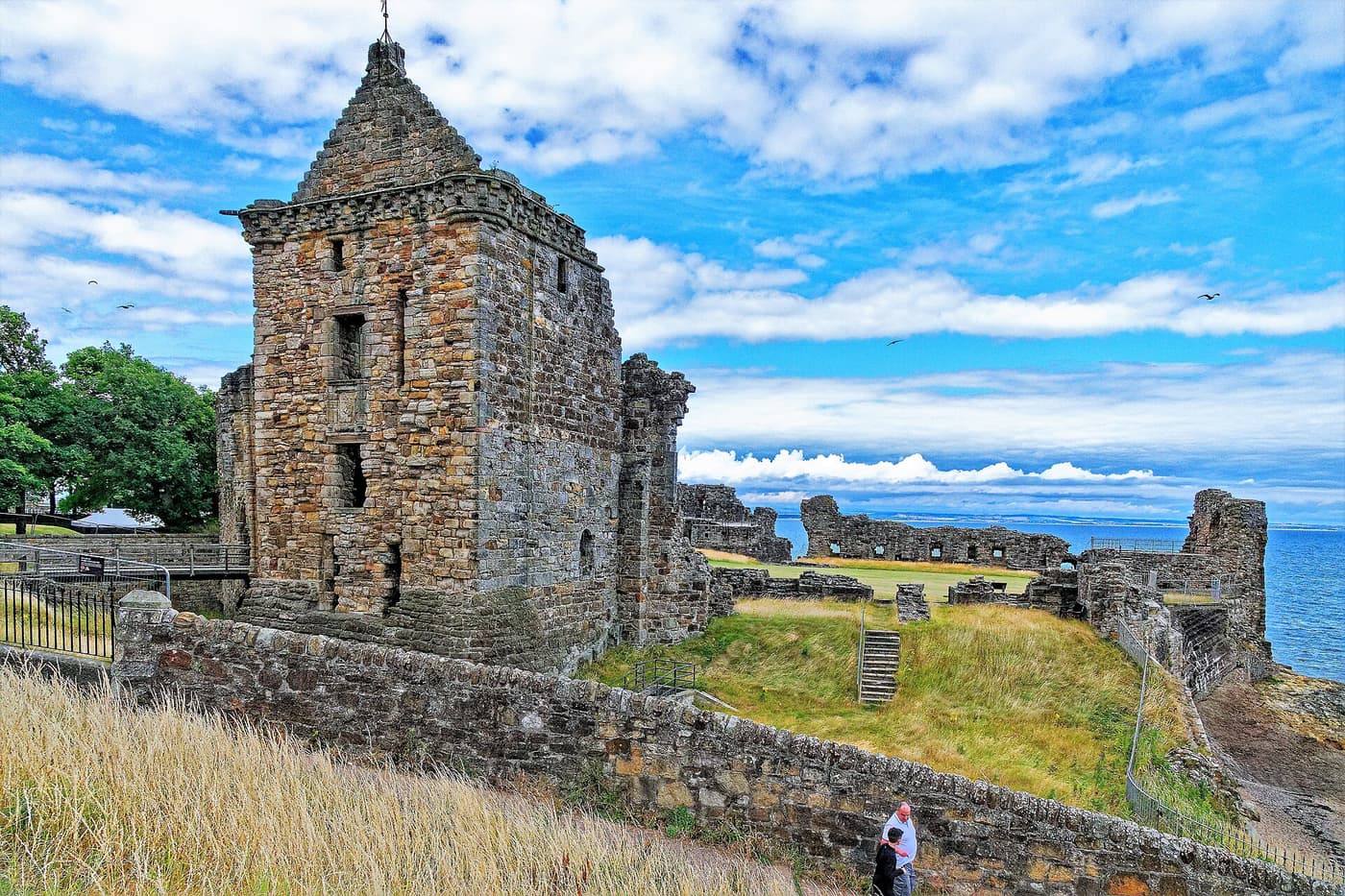
- St Andrews Castle with its bottle dungeon and siege tunnels
- West Sands, the two-mile beach of Chariots of Fire
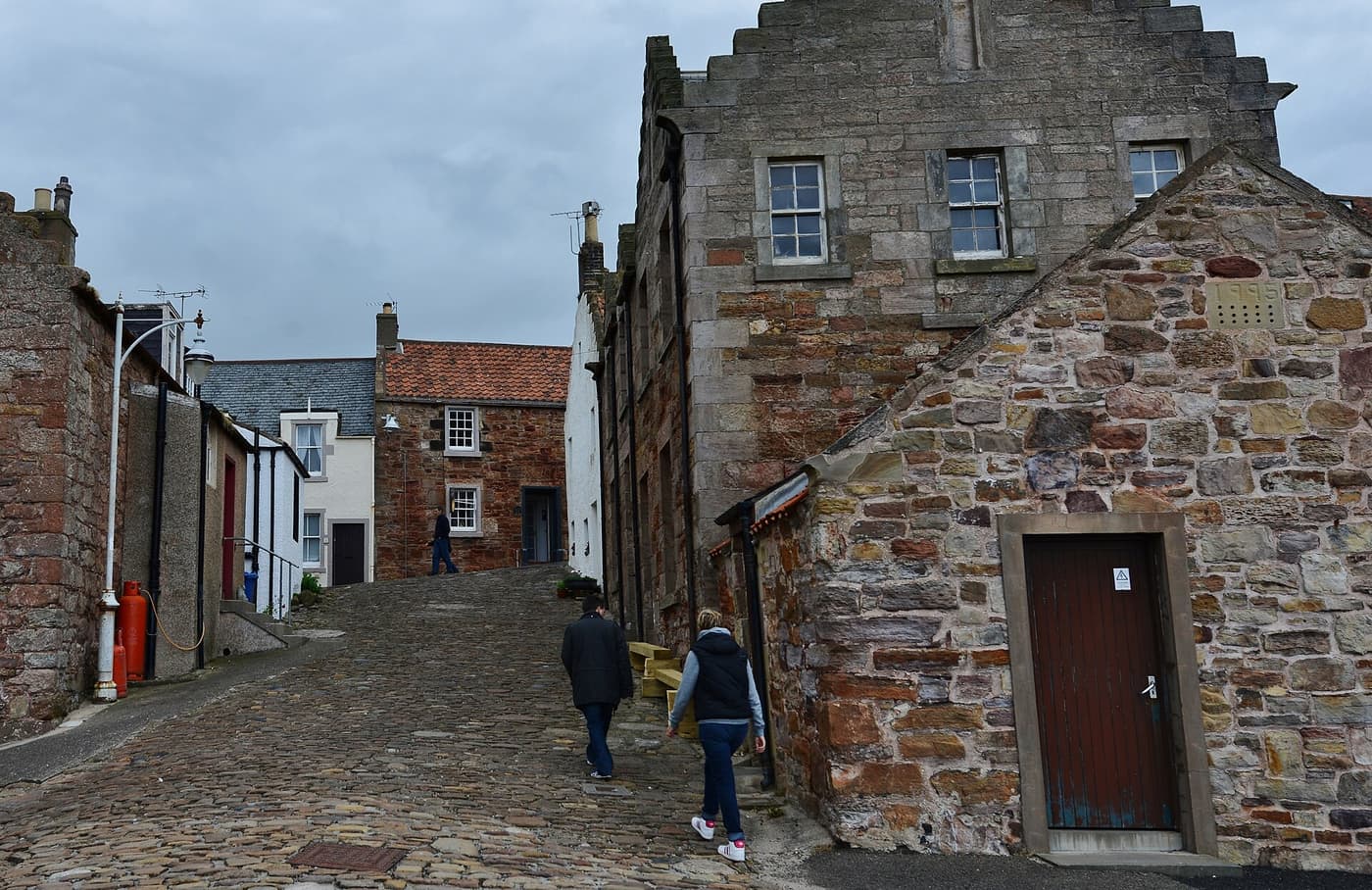
- The East Neuk harbours: Crail, Anstruther, Pittenweem, St Monans, Elie
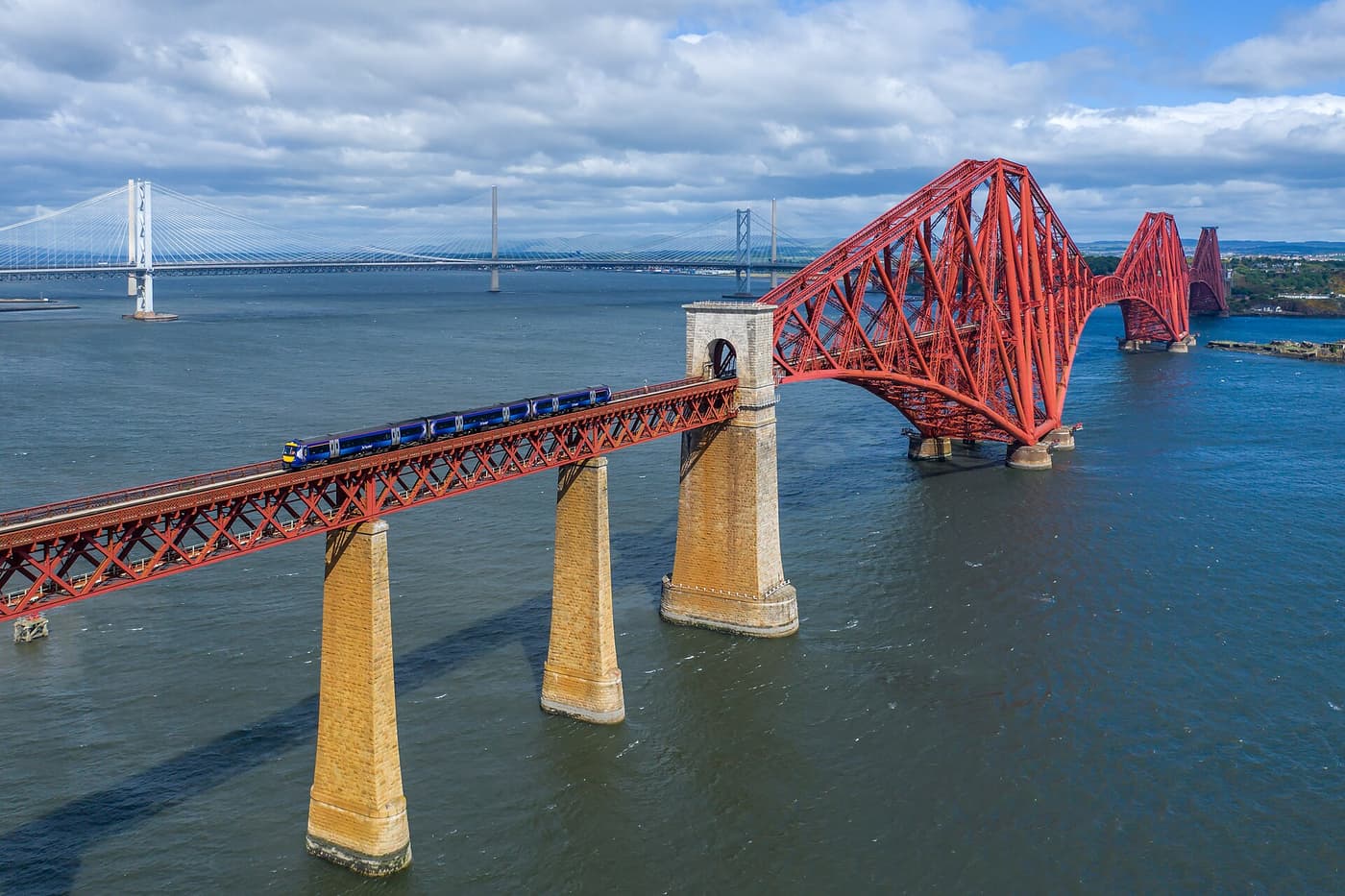
- Falkland Palace and the Forth Bridge
How long to stay
St Andrews itself takes a comfortable day. Add a second for the East Neuk villages and Falkland, and more if you are playing golf or walking part of the Fife Coastal Path.
Best base
St Andrews is the obvious and most enjoyable base, with everything in walking distance. For something quieter and cheaper, stay in Anstruther or Crail in the East Neuk; with a car, the whole of Fife is within 45 minutes.