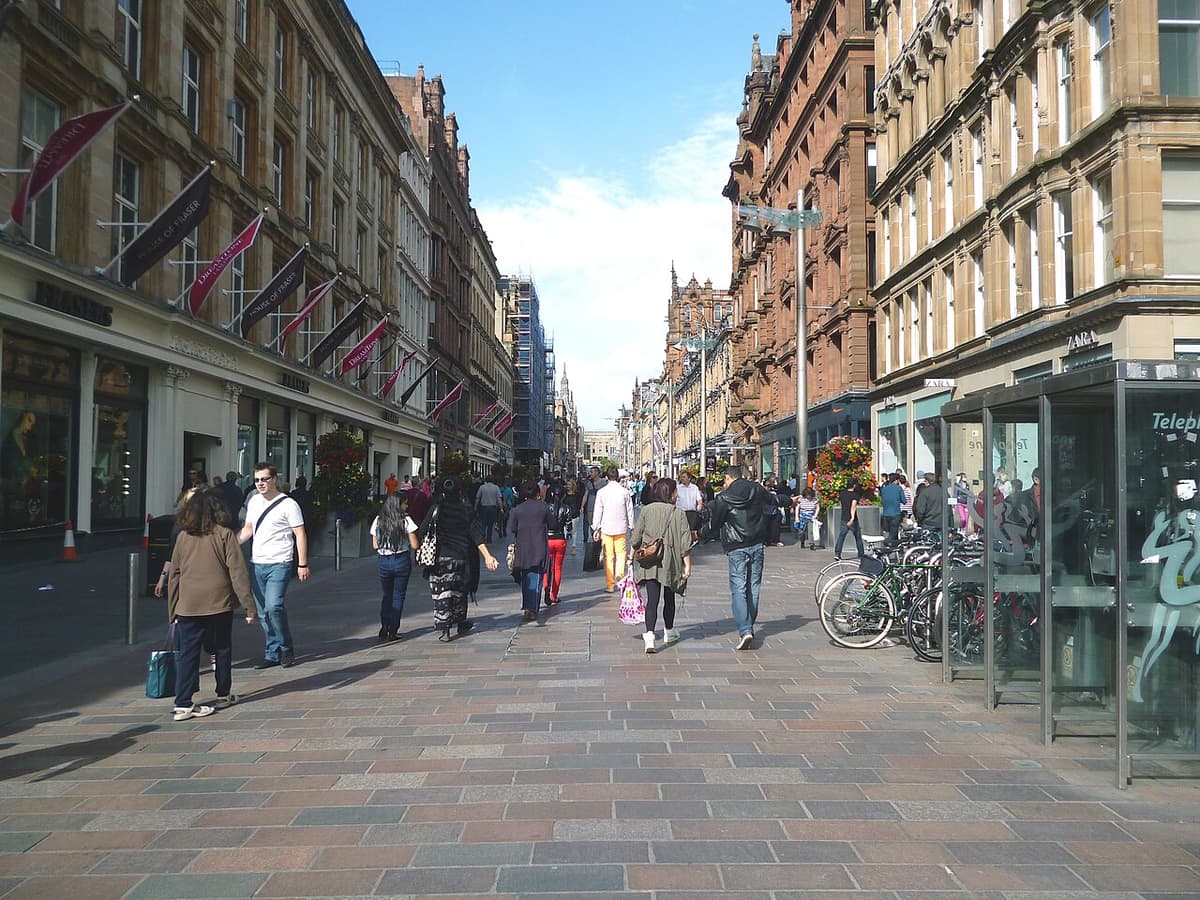
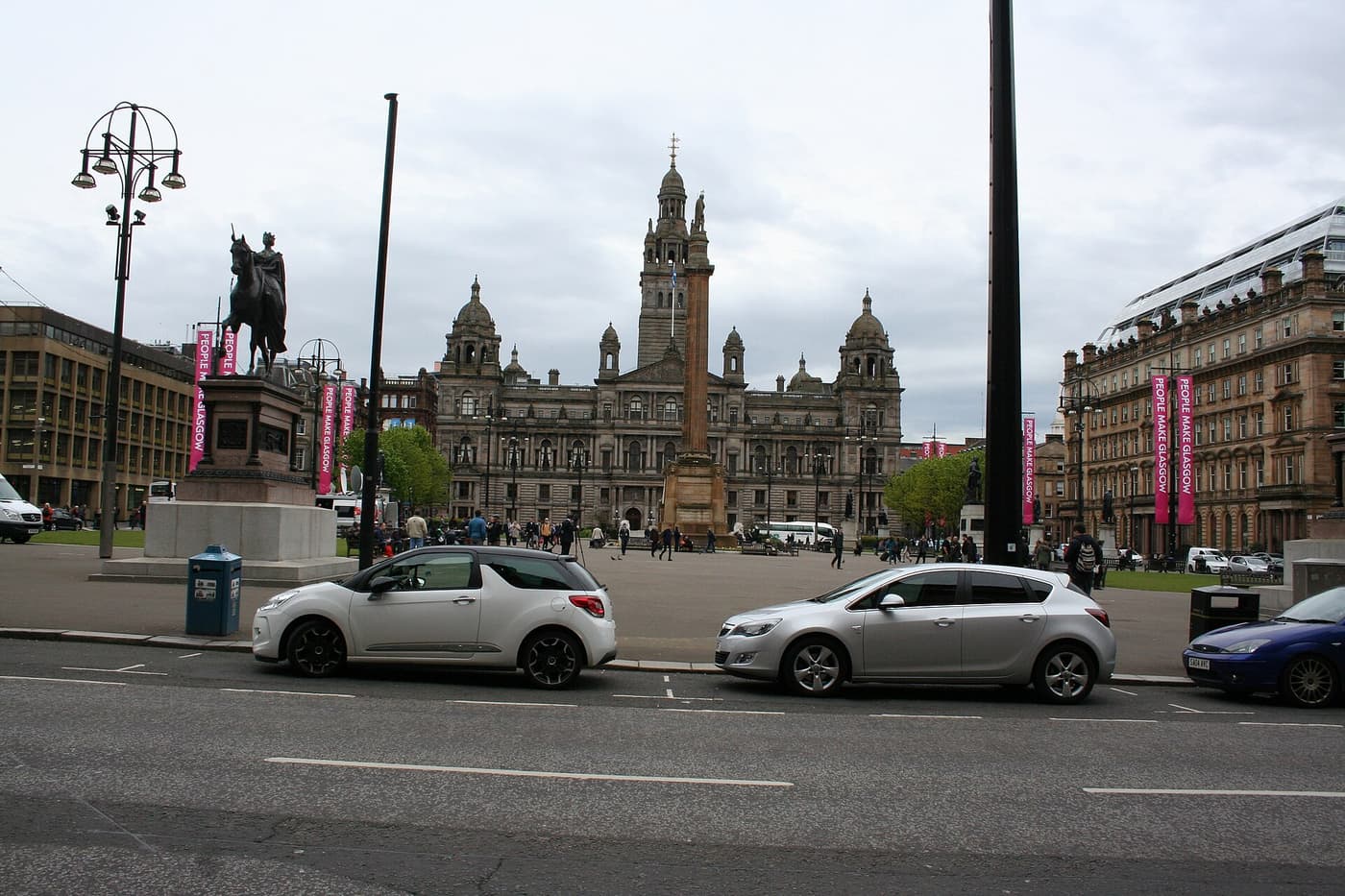
Glasgow grew rich in the 18th and 19th centuries on tobacco, shipbuilding and engineering, and the wealth is still written across the city centre in sandstone: merchants’ warehouses, banks like palaces and one of the best-preserved Victorian street grids in Britain. When heavy industry collapsed, the city reinvented itself around culture. Today it is a UNESCO City of Music with more than a hundred gigs in an average week, and almost all of its major museums are free.
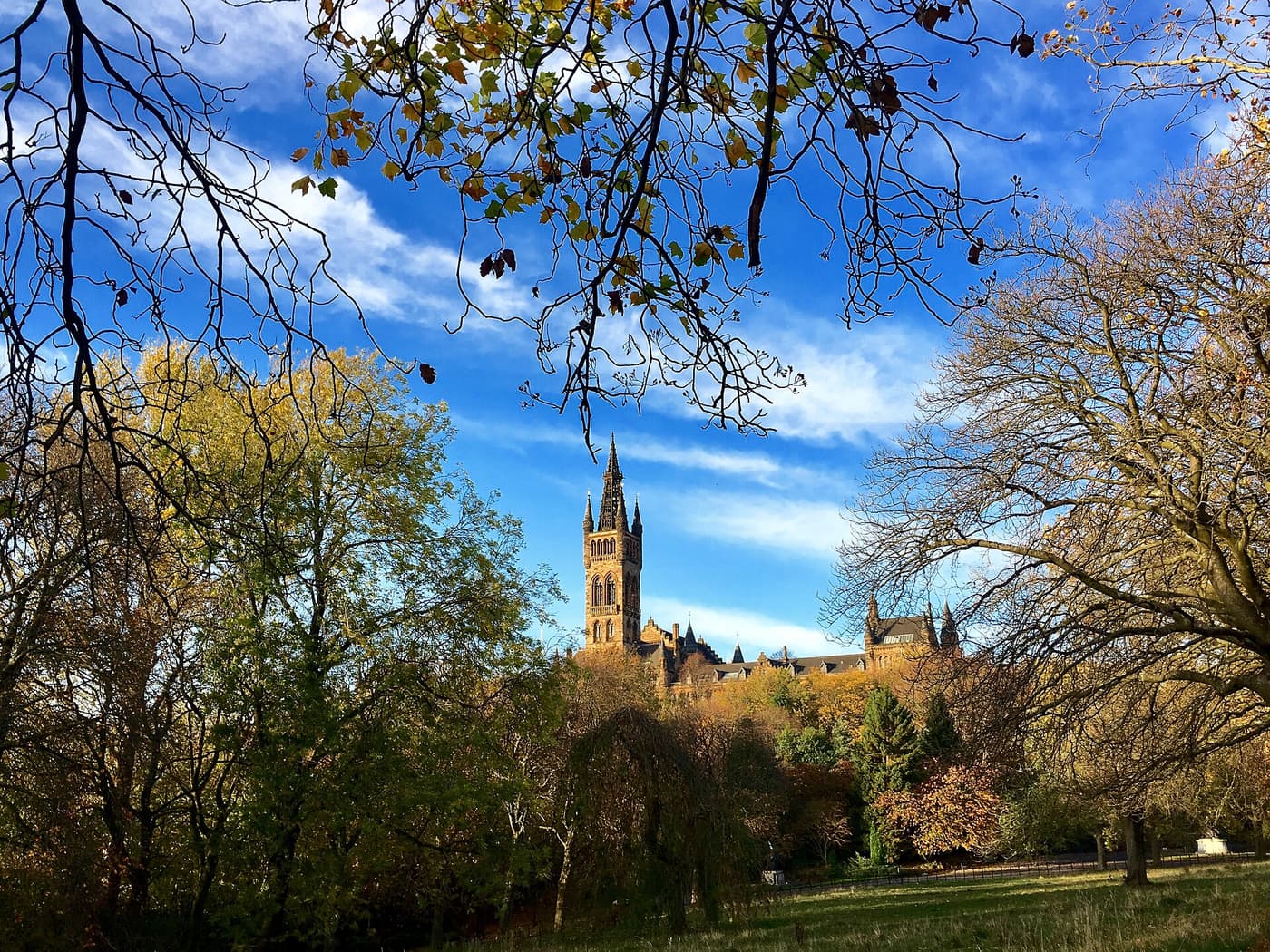
Where Edinburgh is compact and theatrical, Glasgow is spread out and sociable. The centre and the Merchant City are for architecture, shopping and bars; the leafy West End, around the university and Kelvingrove, is for museums, cafés and parks; and the regenerated Clyde waterfront holds the Riverside Museum and the city’s big concert arena. Glaswegians are famously friendly — expect conversations.
Highlights
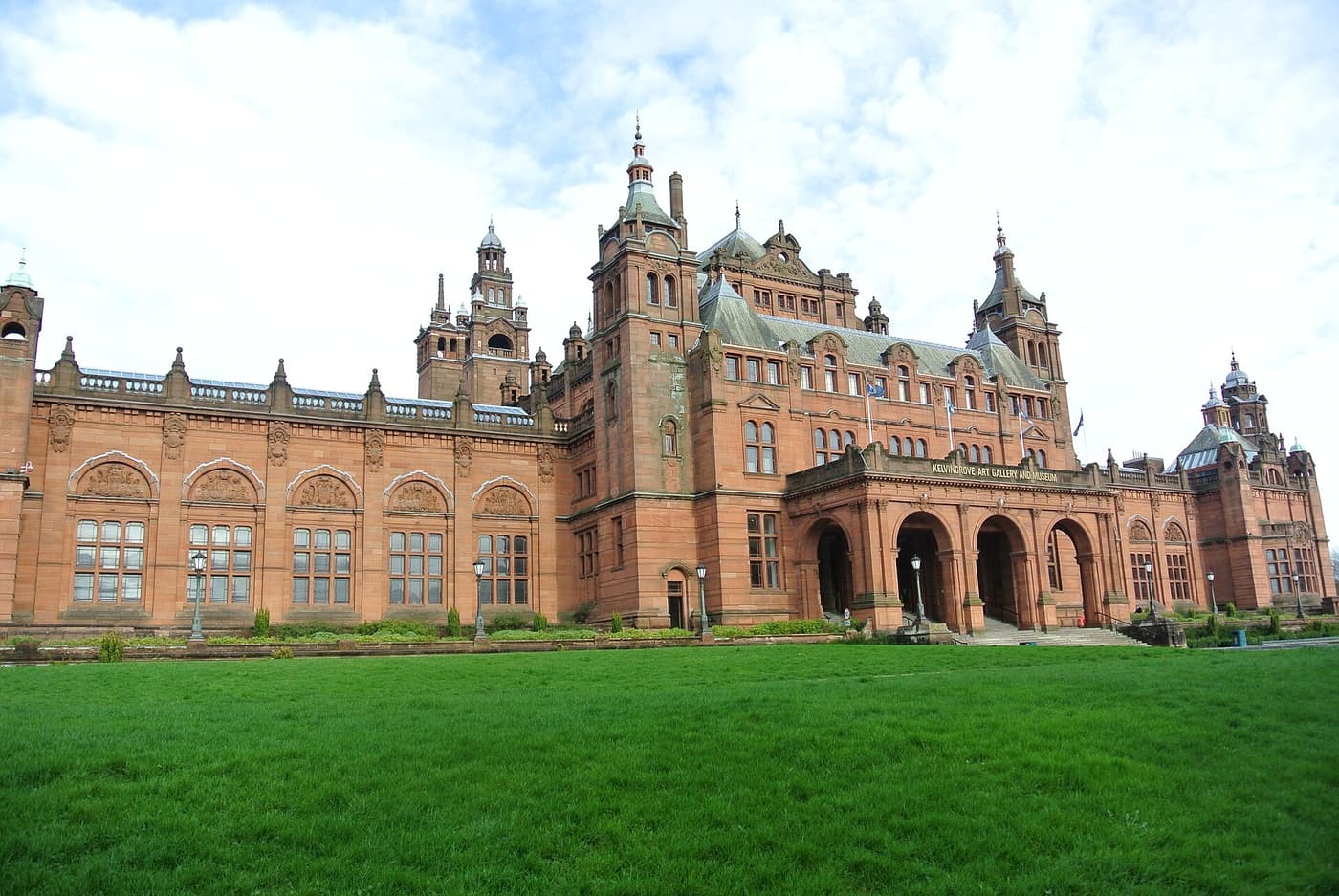
- Kelvingrove Art Gallery and Museum — 22 free galleries, from Dalí to a Spitfire
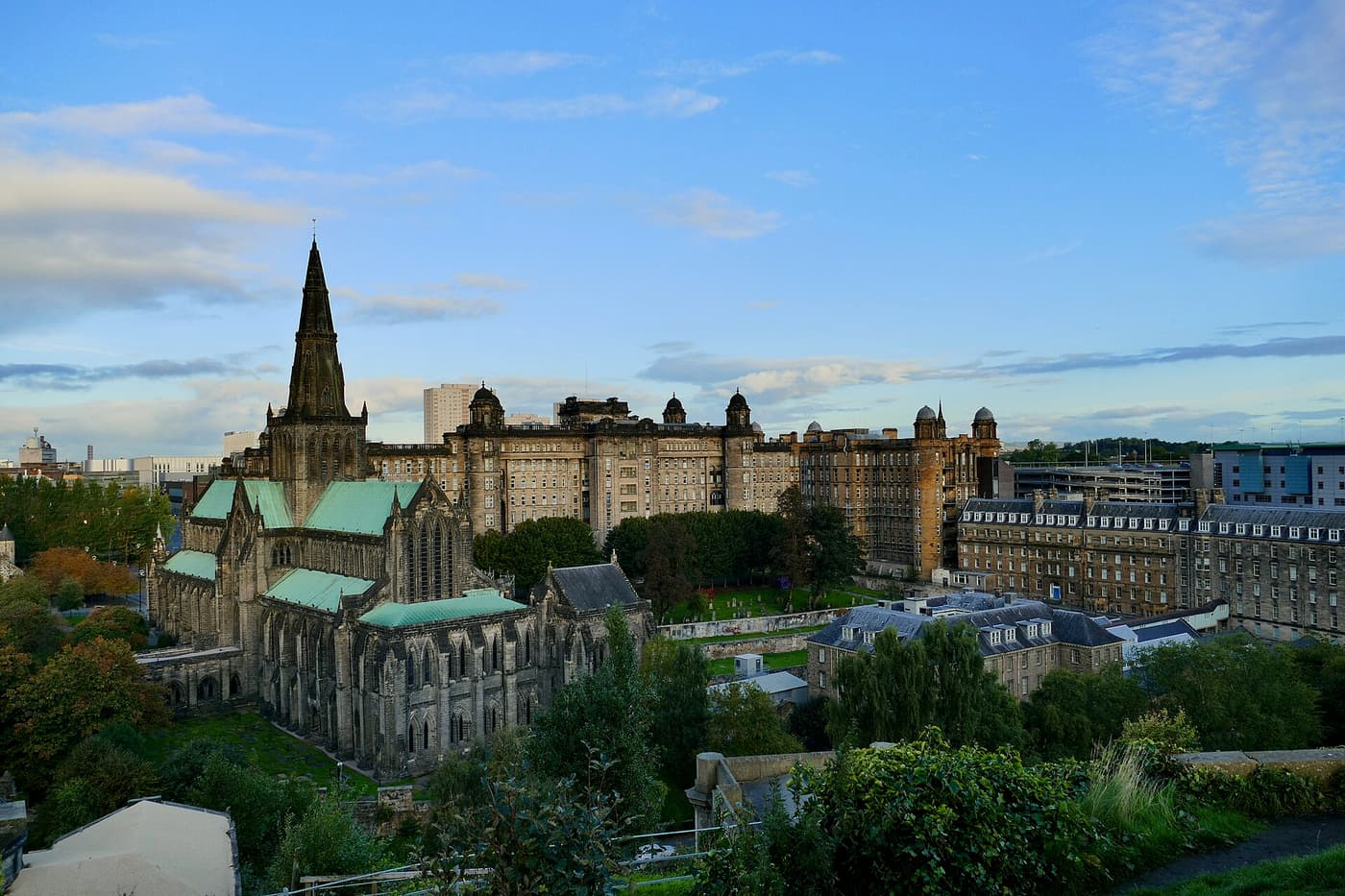
- Glasgow Cathedral and the hilltop Necropolis
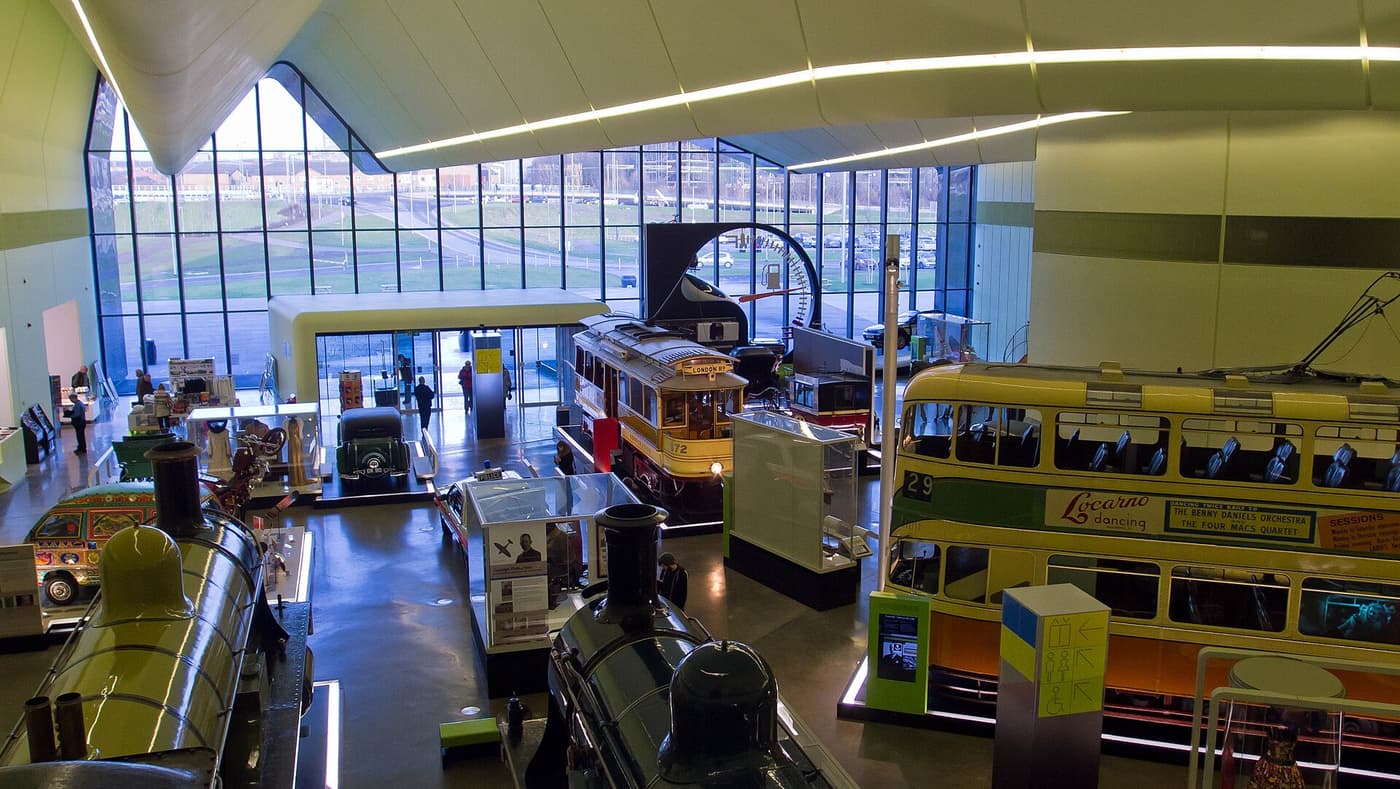
- The Riverside Museum of transport and the tall ship moored outside
- Charles Rennie Mackintosh: the Willow tea rooms, the Mackintosh House, House for an Art Lover
- The Burrell Collection in Pollok Country Park
- Live music, the bars of Finnieston and Ashton Lane, and the city-centre mural trail
How long to stay
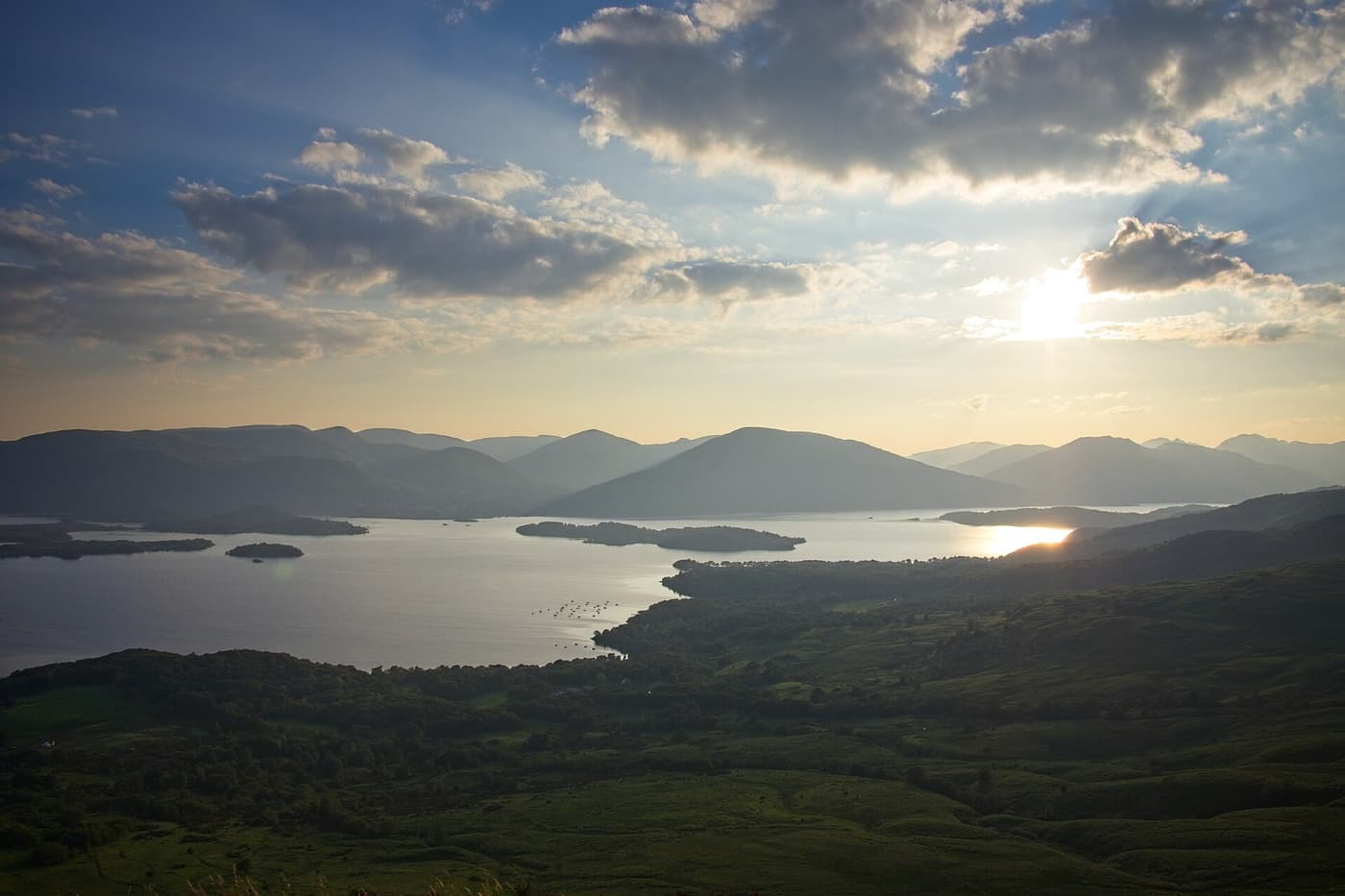
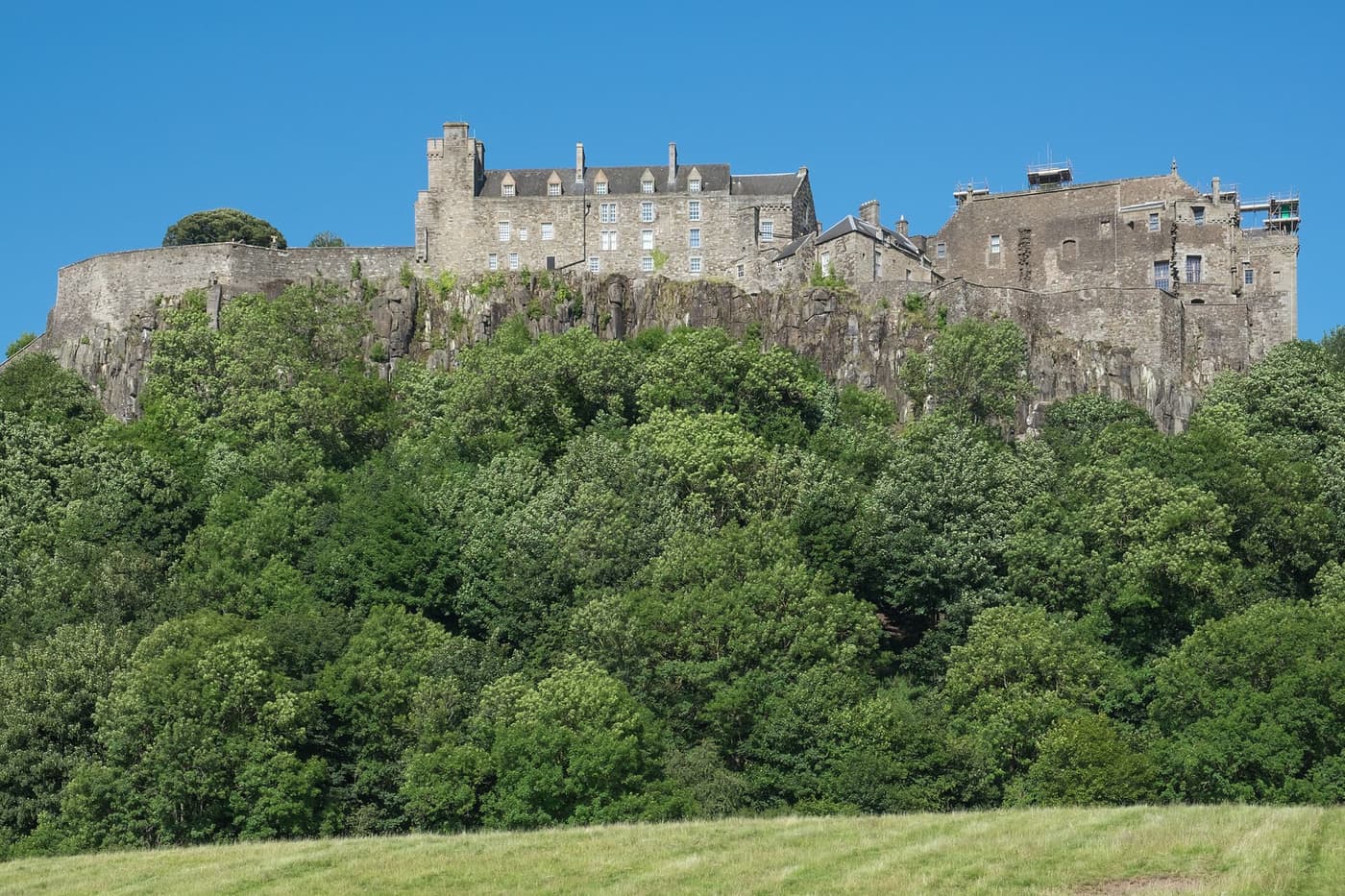
One busy day covers the cathedral, the centre and Kelvingrove. Two days is better, adding the West End and the Riverside or the Burrell. With three, take a day trip to Loch Lomond, Stirling or the Isle of Arran.
Best base
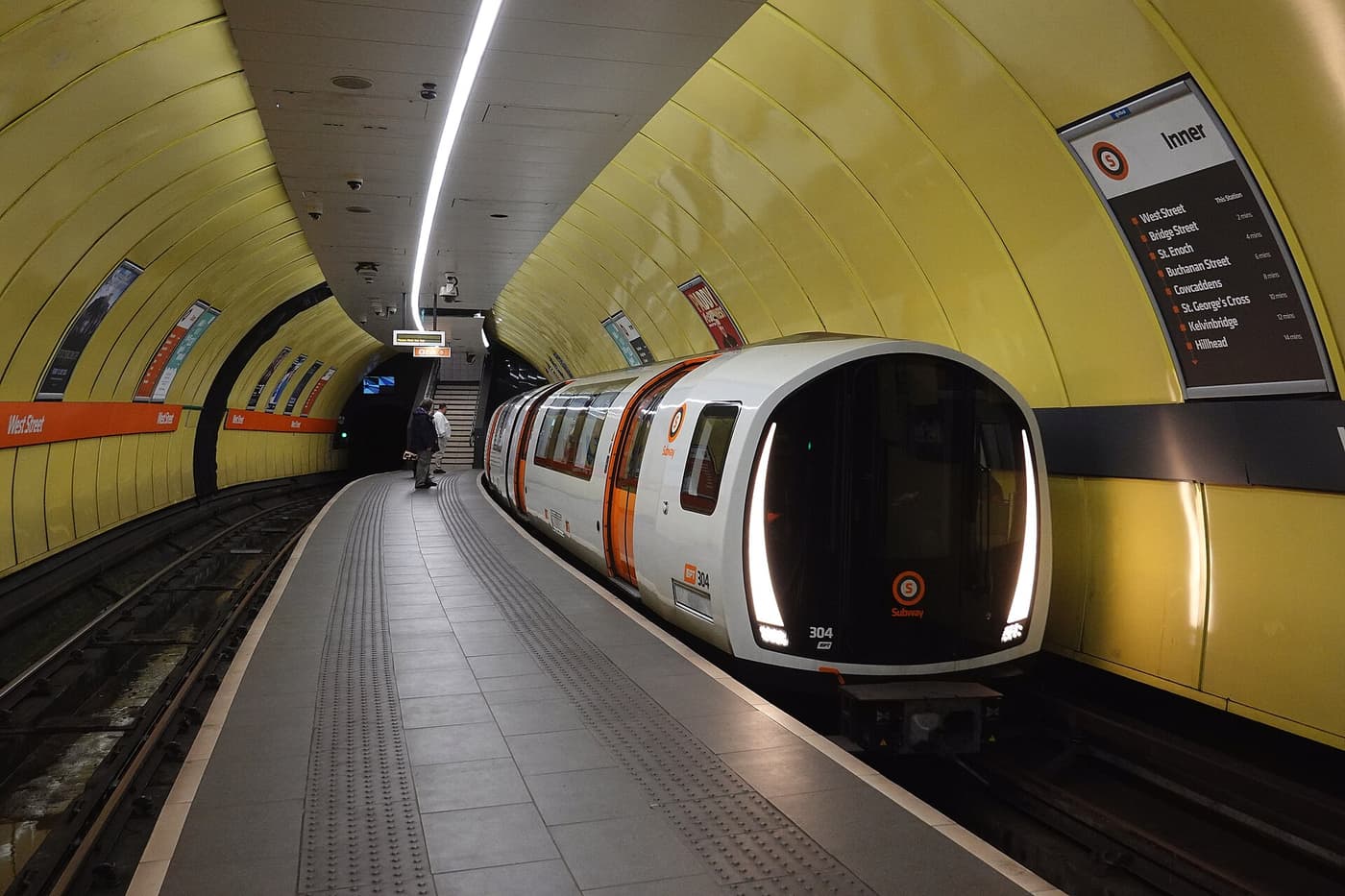
Stay in the city centre or the Merchant City for stations, shopping and nightlife, or in the West End or Finnieston for museums, parks and the best restaurants. The Subway links them in ten minutes.