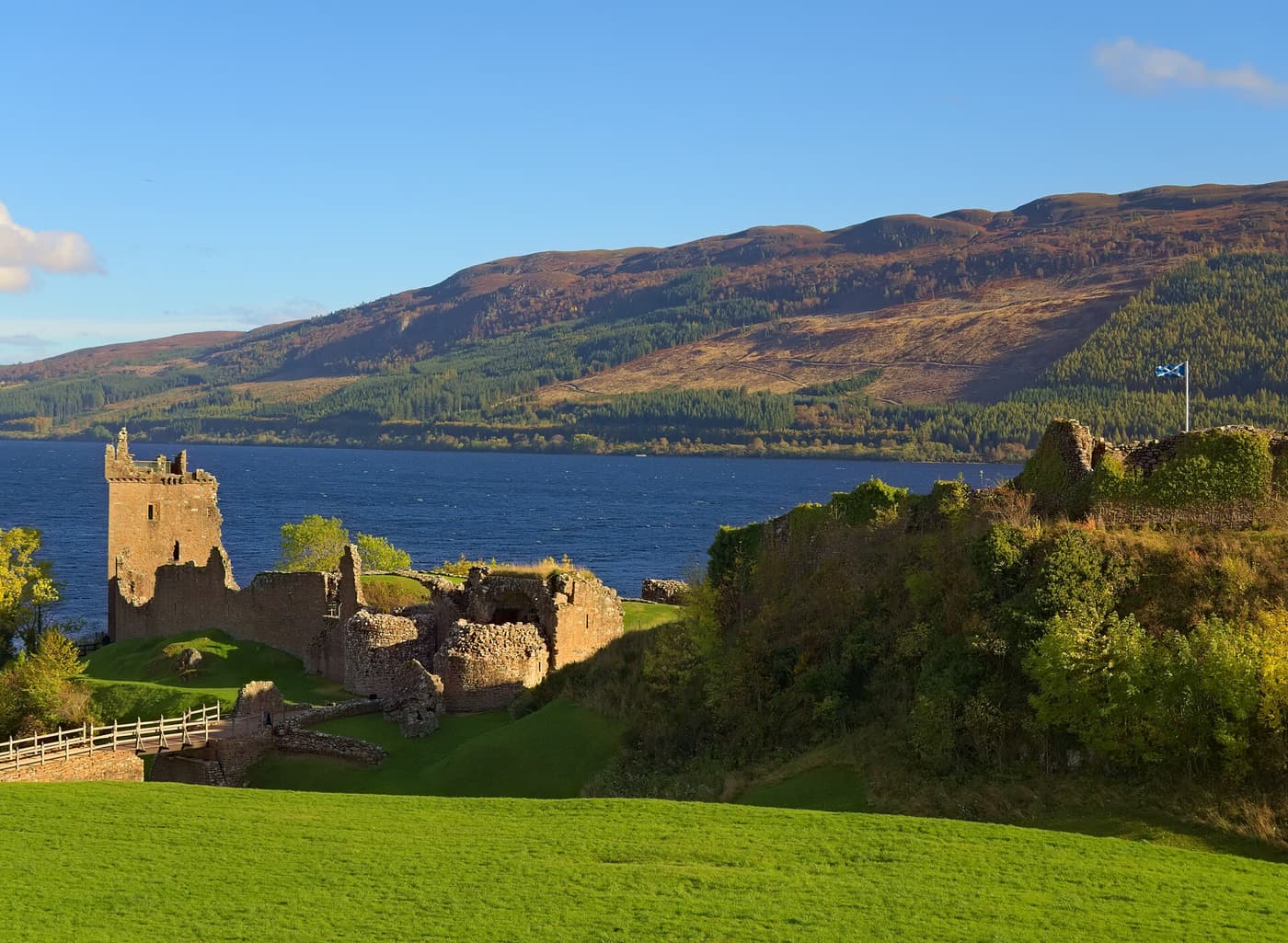
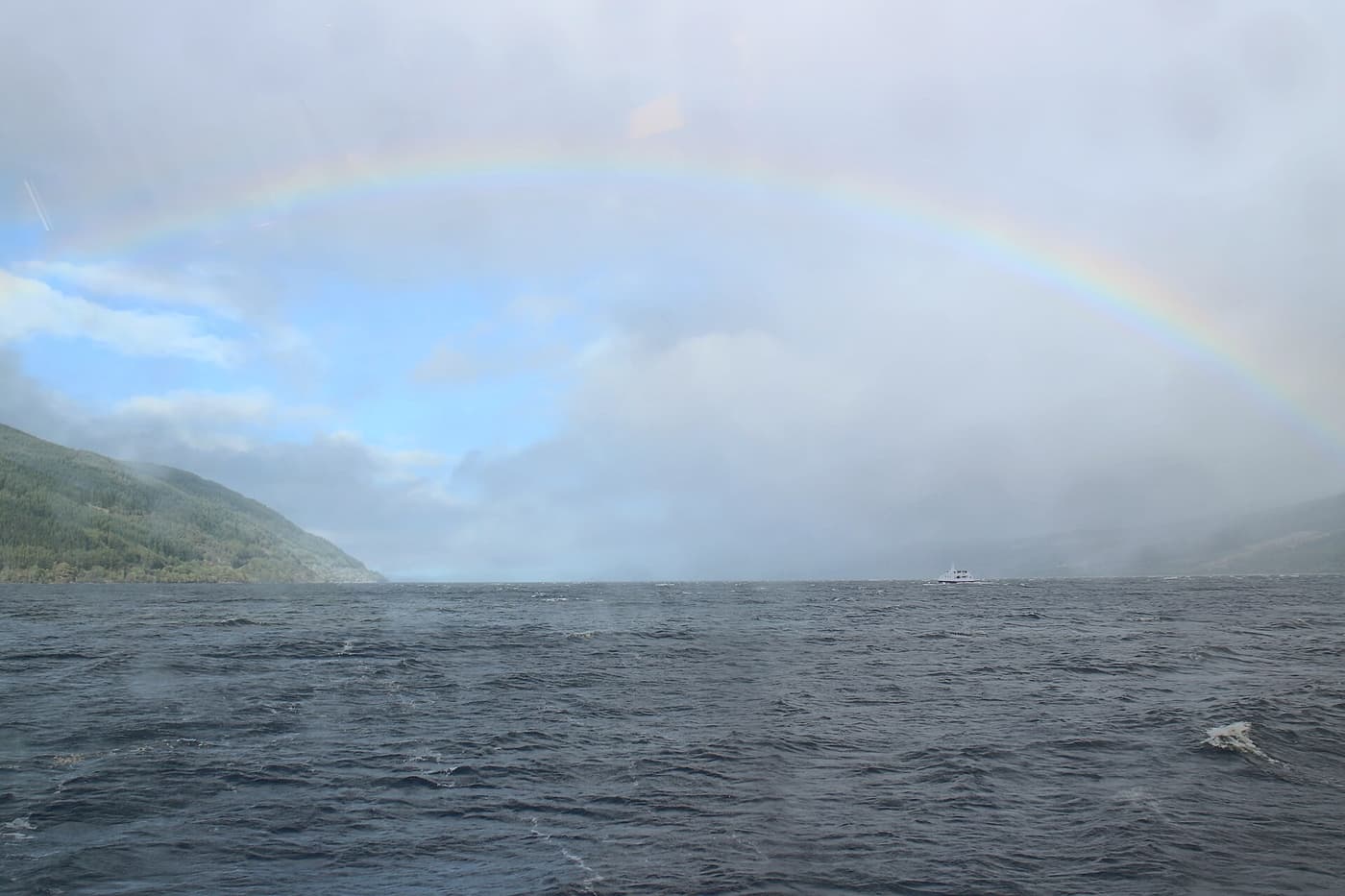
Loch Ness fills 23 miles of the Great Glen, the geological fault that slices Scotland from coast to coast. It is long, narrow, very deep and stained dark by peat — more water than all the lakes of England and Wales together — and since 1933 it has been the home of the world’s best-loved monster. Whatever you make of Nessie, the loch has genuine atmosphere, above all at the ruined Urquhart Castle on its western shore.
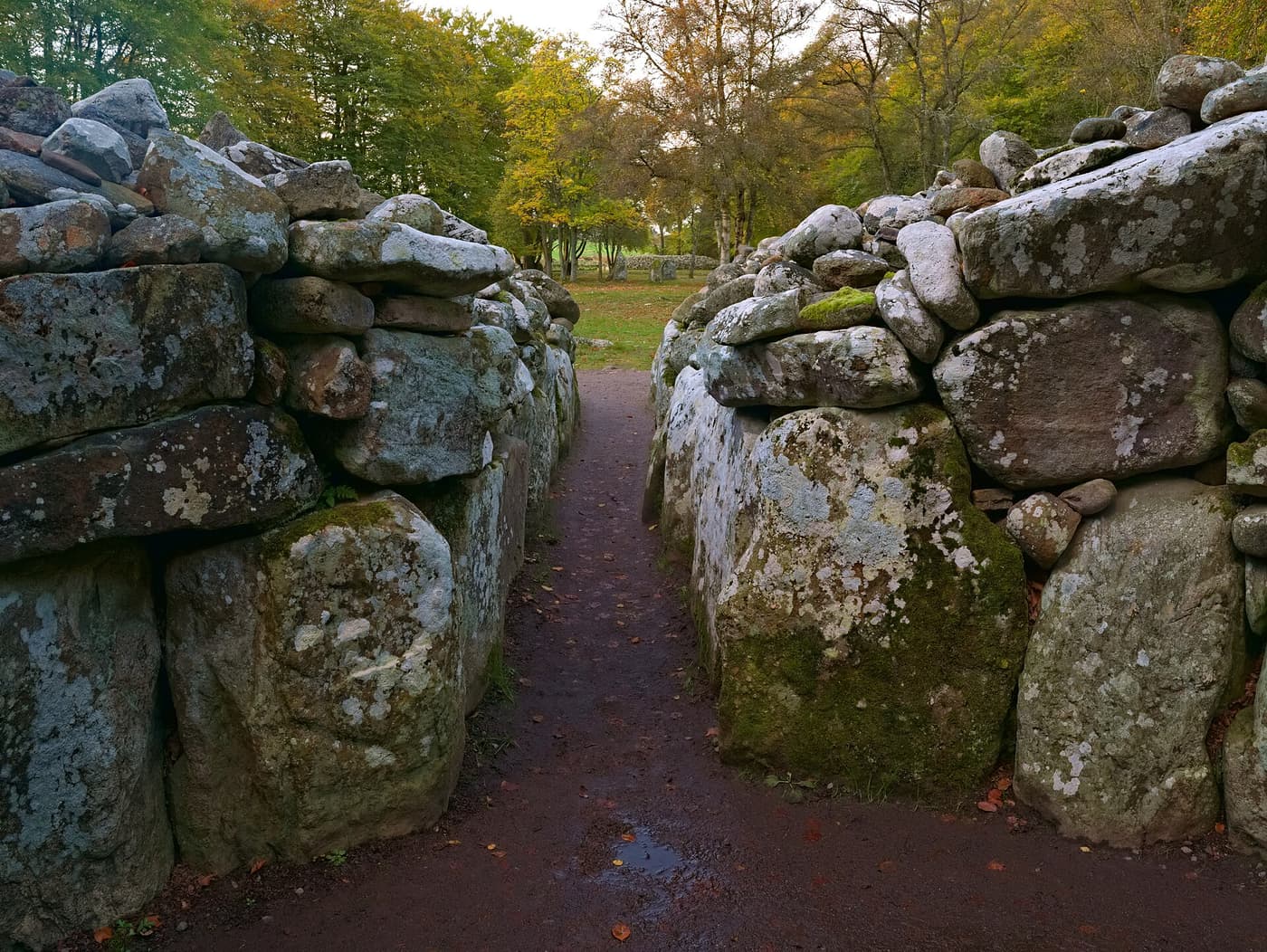
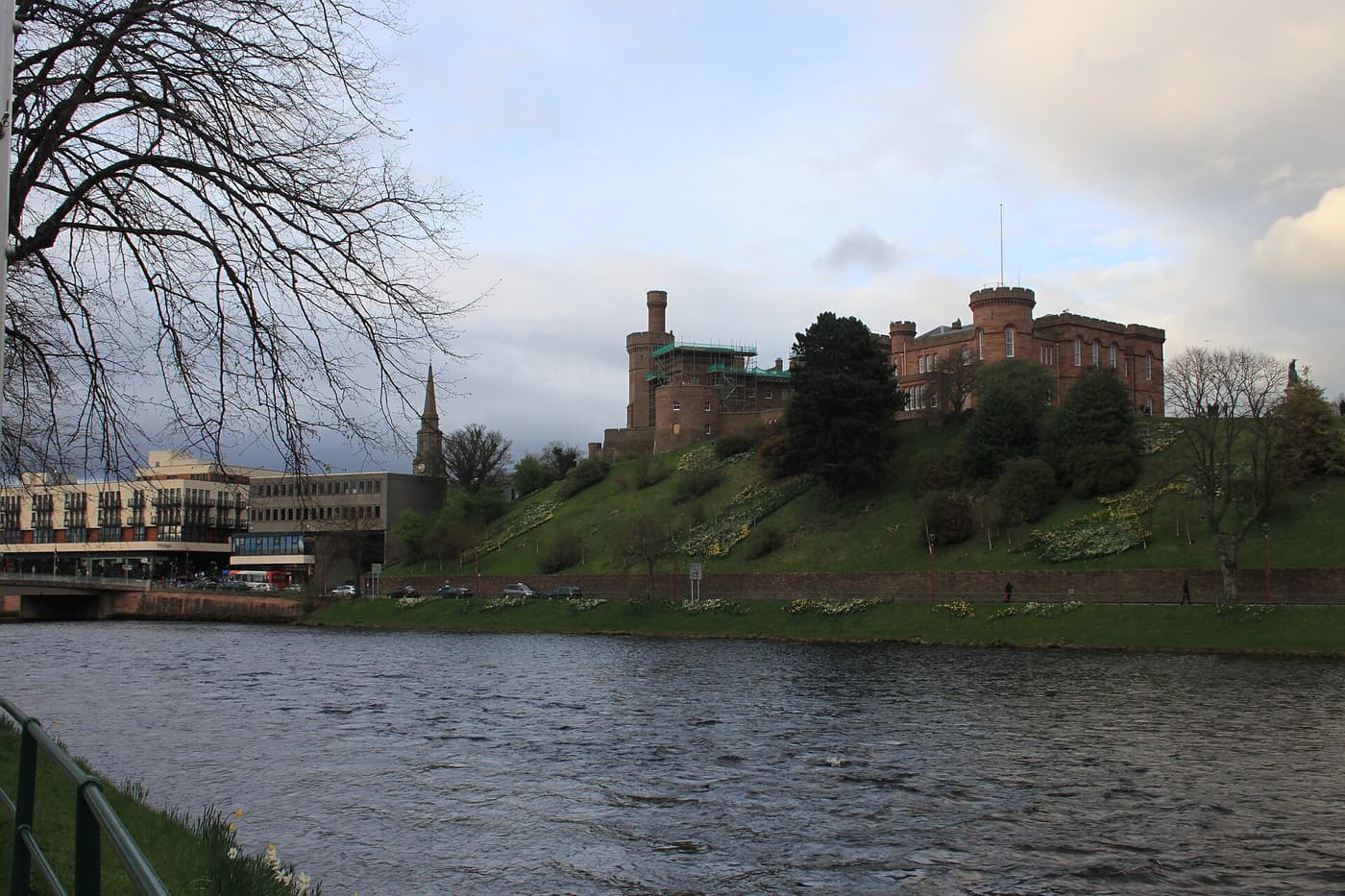
At the northern end of the glen, where the River Ness meets the Moray Firth, Inverness is the only city in the Highlands and their unofficial capital: small, walkable and well supplied with hotels, restaurants and live music. Just outside it lie Culloden, where the Jacobite cause died in 1746, and the Bronze Age Clava Cairns. With roads and railways radiating in every direction, it is the natural base for exploring the north.
Highlights
- A cruise on Loch Ness past Urquhart Castle
- Exploring the ruins of Urquhart Castle
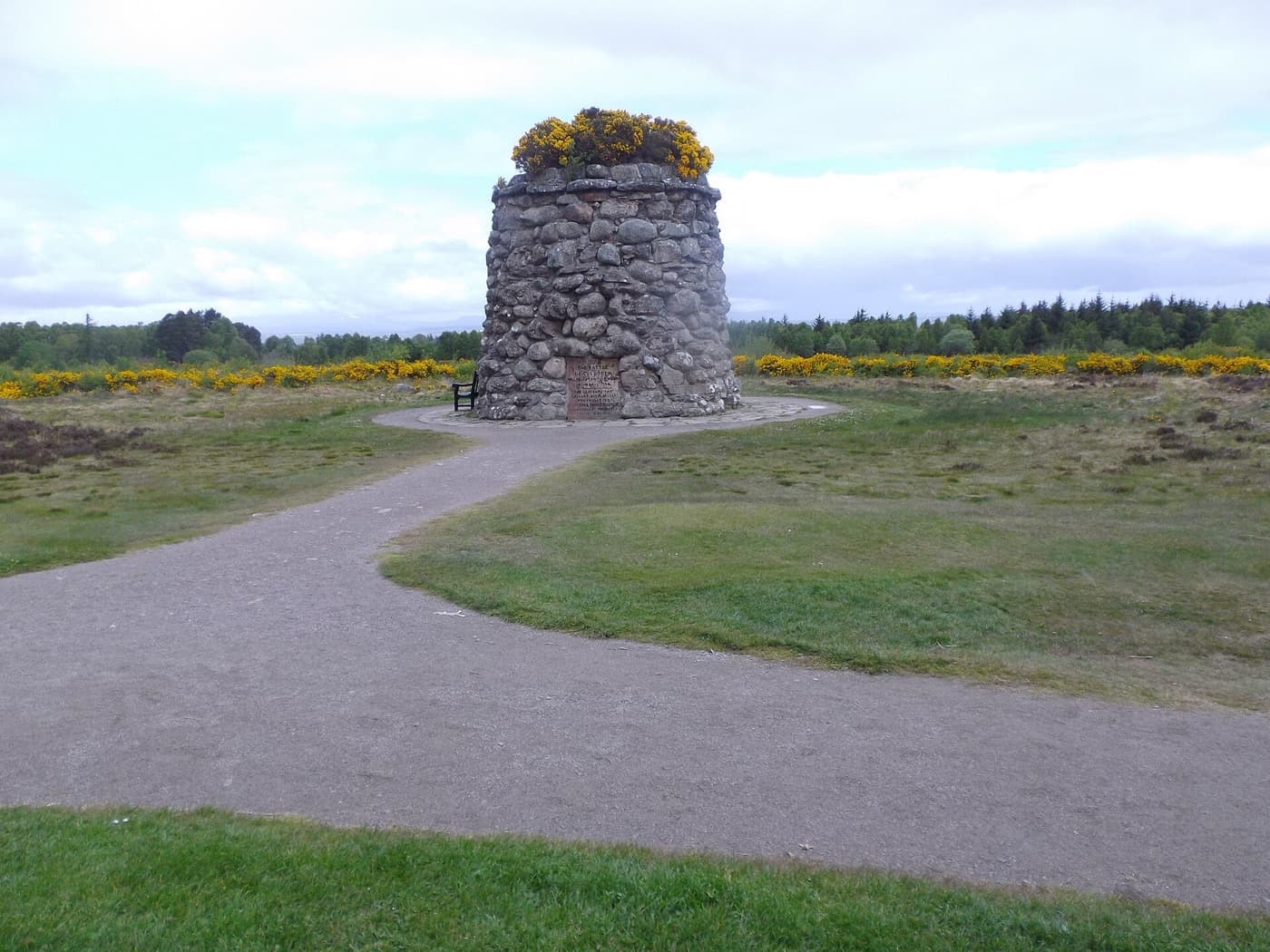
- Culloden Battlefield and its visitor centre
- The 4,000-year-old Clava Cairns
- A riverside walk in Inverness to the Ness Islands
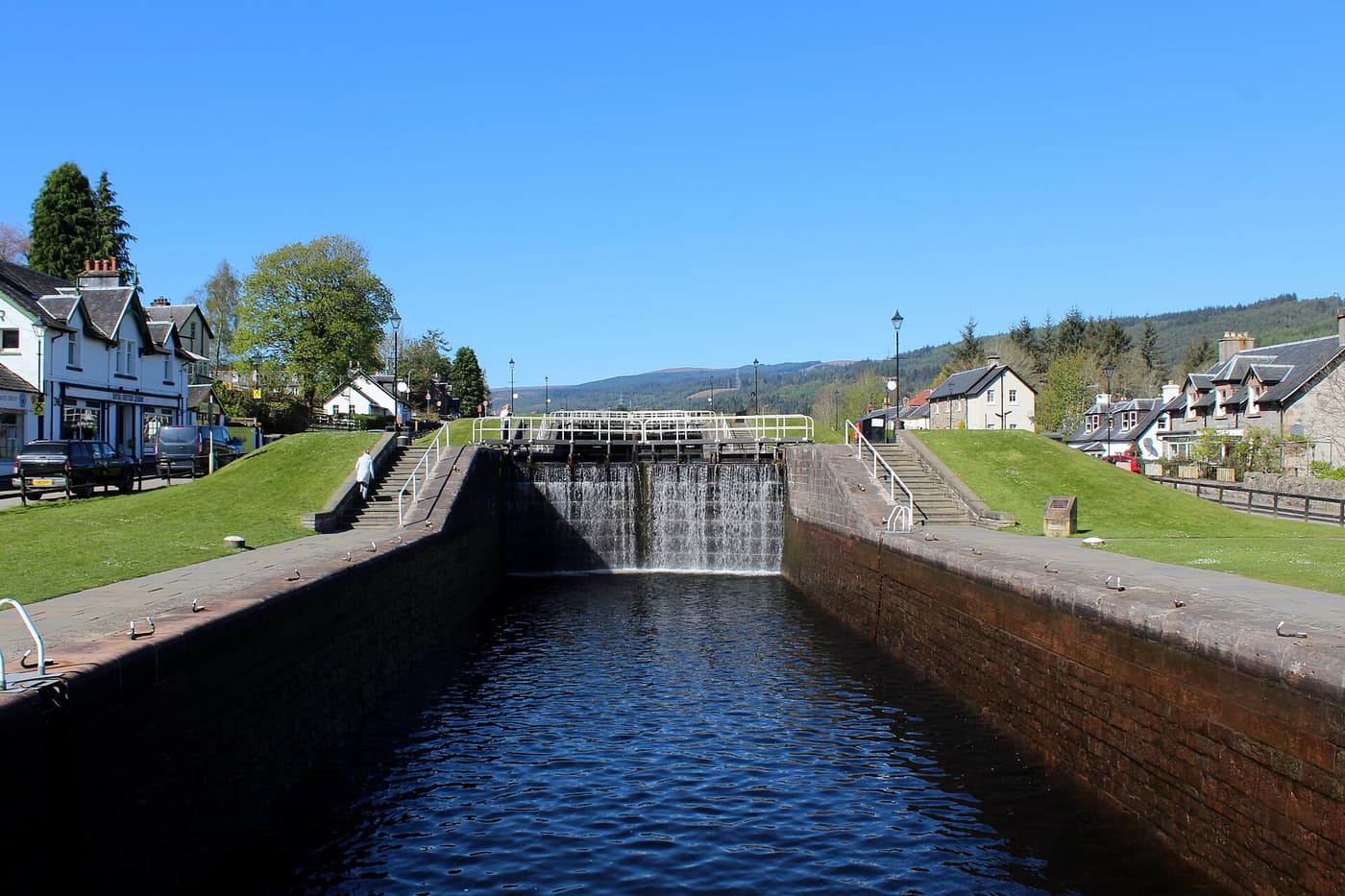
- The canal locks at Fort Augustus and dolphin-watching at Chanonry Point
How long to stay
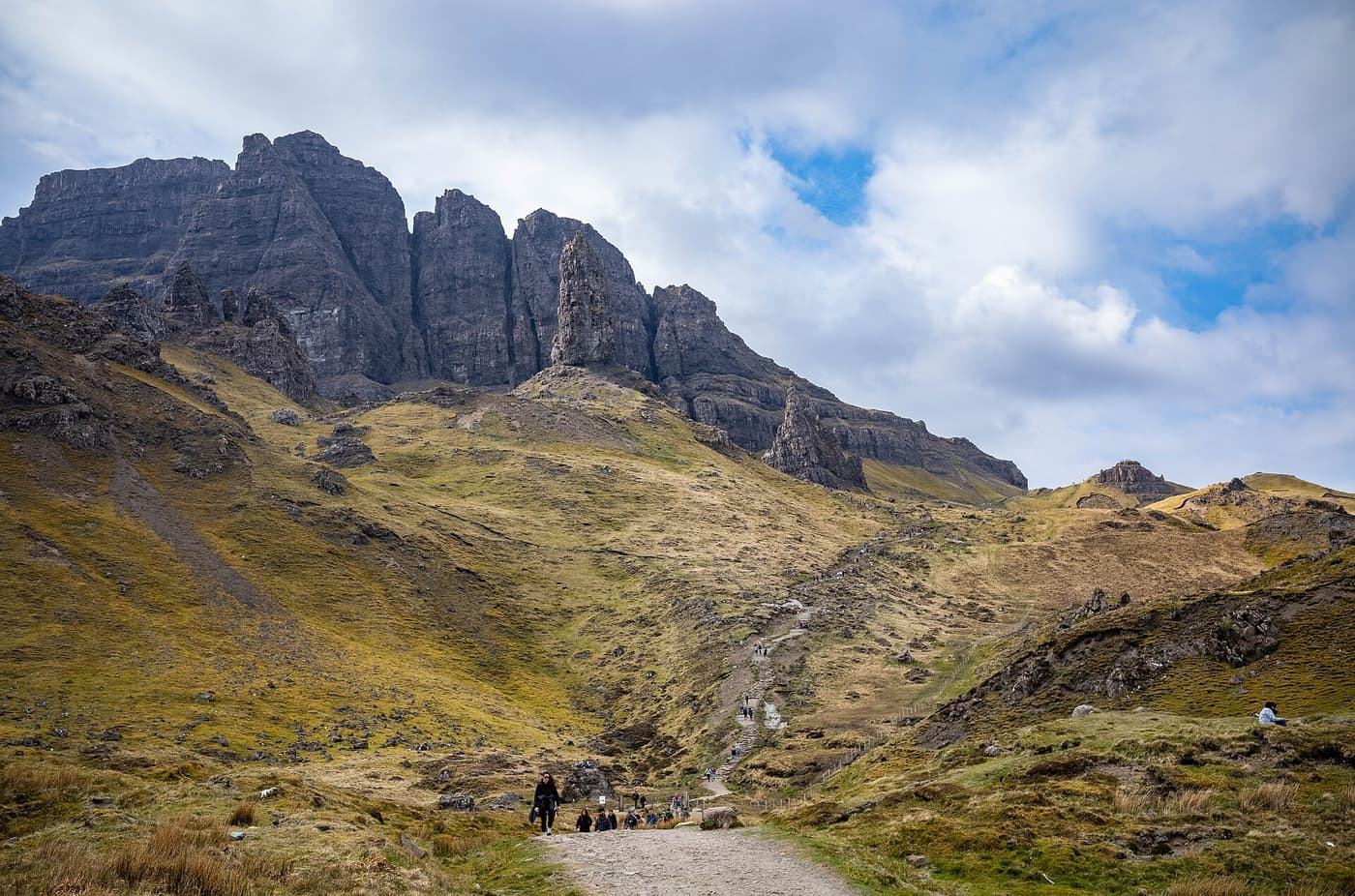
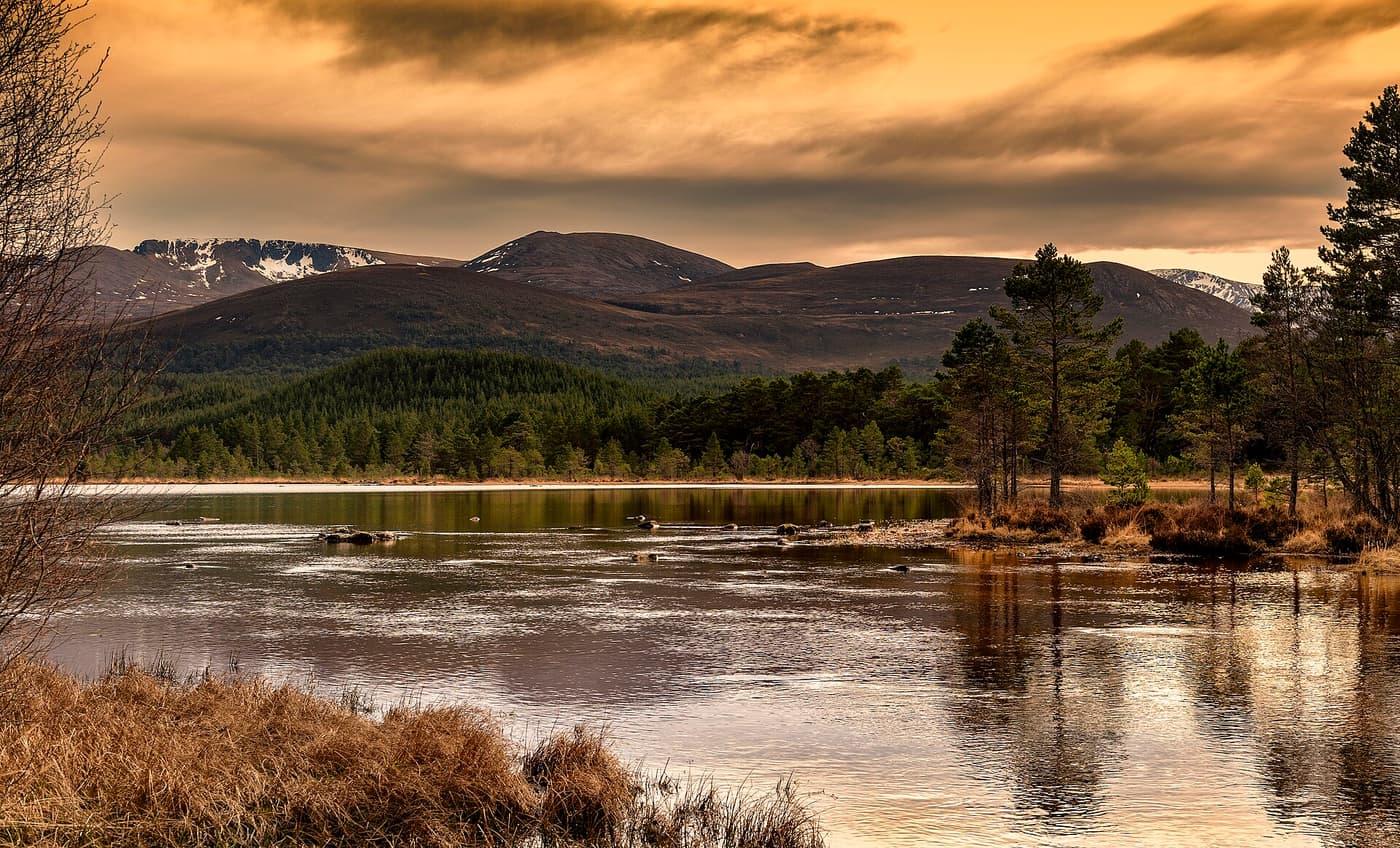
Two nights give you a day for Loch Ness and Urquhart Castle and a day for Culloden, Clava and the city. Three or four nights let you add a day trip to Skye, the Black Isle, Glen Affric or Speyside.
Best base
Inverness is the best base for almost everyone, with all the transport and tours. For a quieter stay on the loch itself, choose Drumnadrochit (near Urquhart Castle), Fort Augustus at the southern end, or the peaceful south shore around Dores and Foyers.