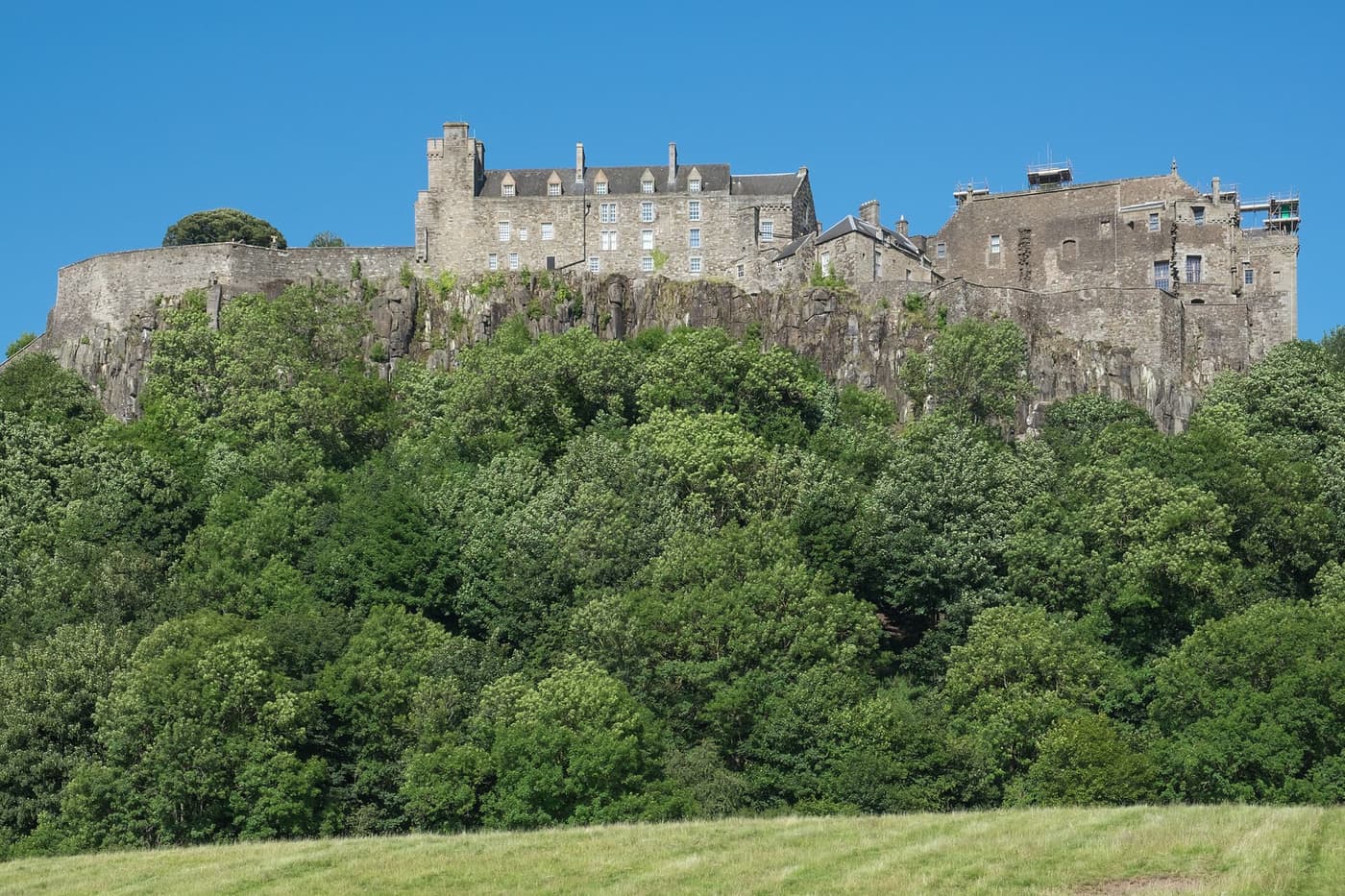
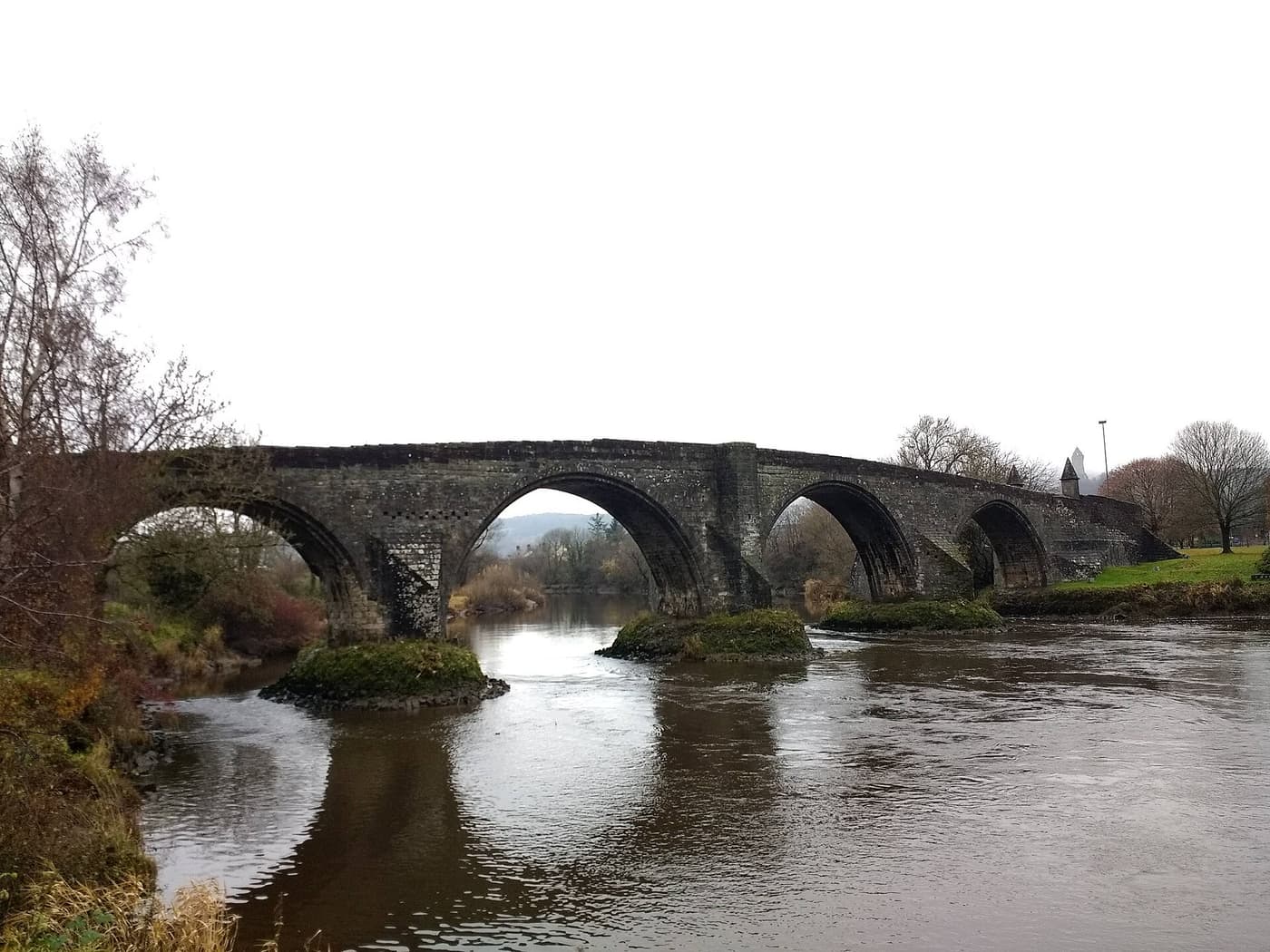
For centuries Stirling was the lowest point at which the River Forth could be bridged, and the castle on its volcanic crag commanded the only practical road between the Lowlands and the Highlands. “He who holds Stirling holds Scotland,” ran the saying — which is why two of the most famous battles in Scottish history, Stirling Bridge (1297) and Bannockburn (1314), were fought within sight of its walls.
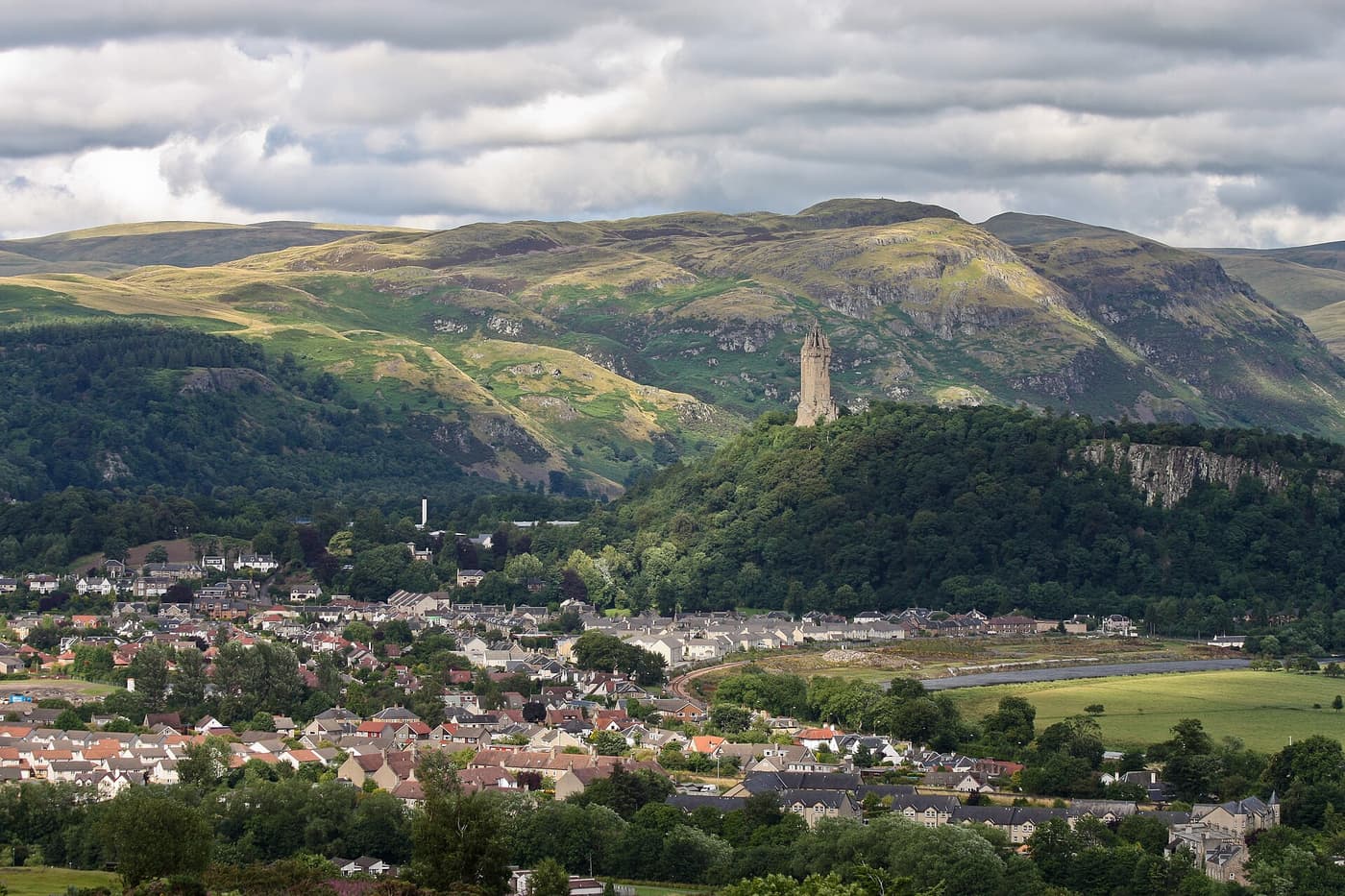
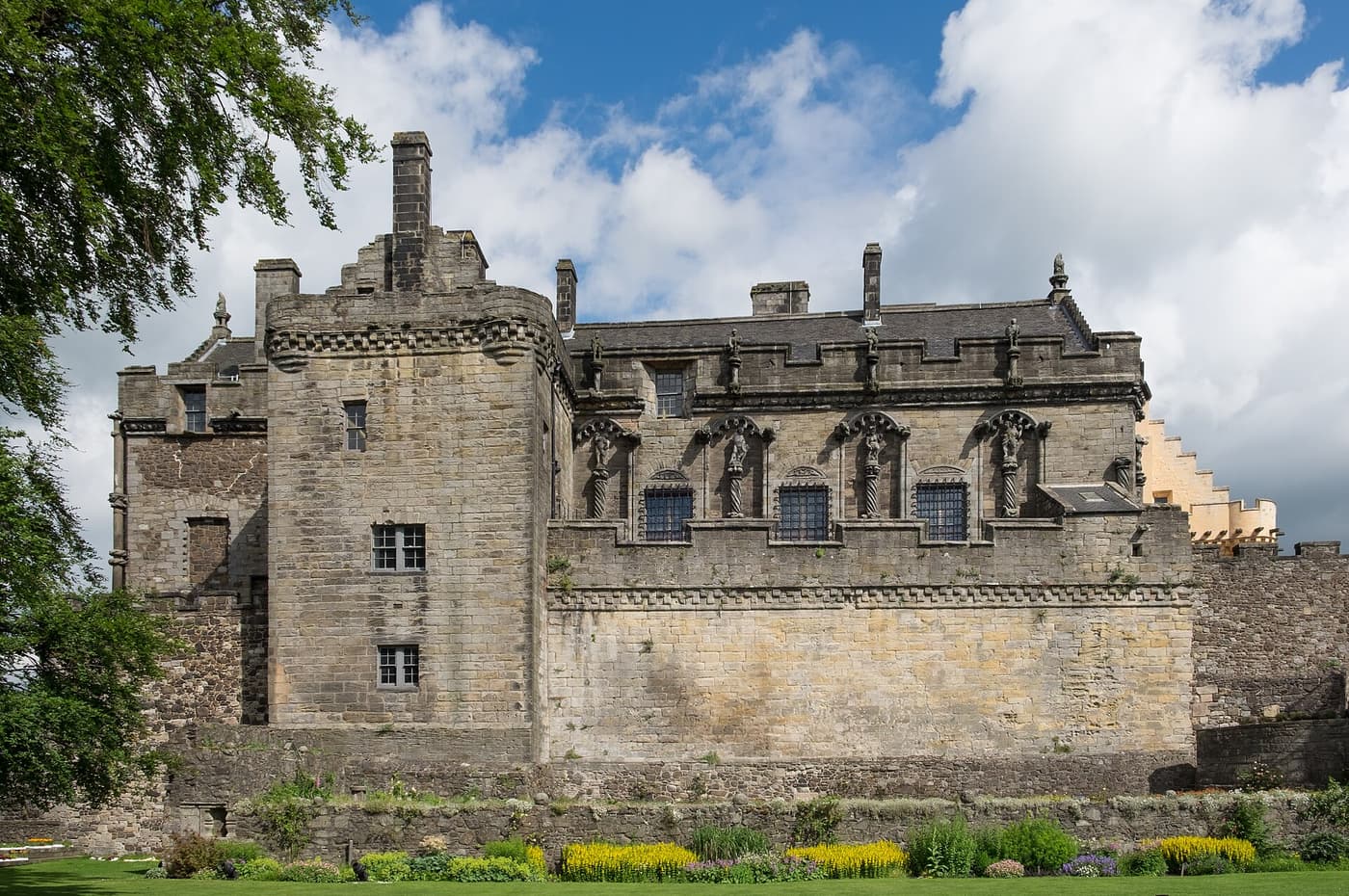
Today the small city is one of the most rewarding stops in the country. The castle’s Renaissance palace has been restored to the colours of the 1540s; a cobbled Old Town tumbles down the hill below it; and the tower of the National Wallace Monument stands on the wooded ridge across the river. Add Doune Castle, the Kelpies and the edge of the Trossachs, all within half an hour, and Stirling easily fills a day or two.
Highlights
- Stirling Castle — the Royal Palace, the Great Hall and views to the Highland line
- Climbing the National Wallace Monument
- The Old Town: the Church of the Holy Rude, the Old Town Jail and the Back Walk
- The Battle of Bannockburn visitor centre
- Doune Castle, of Monty Python and Outlander fame
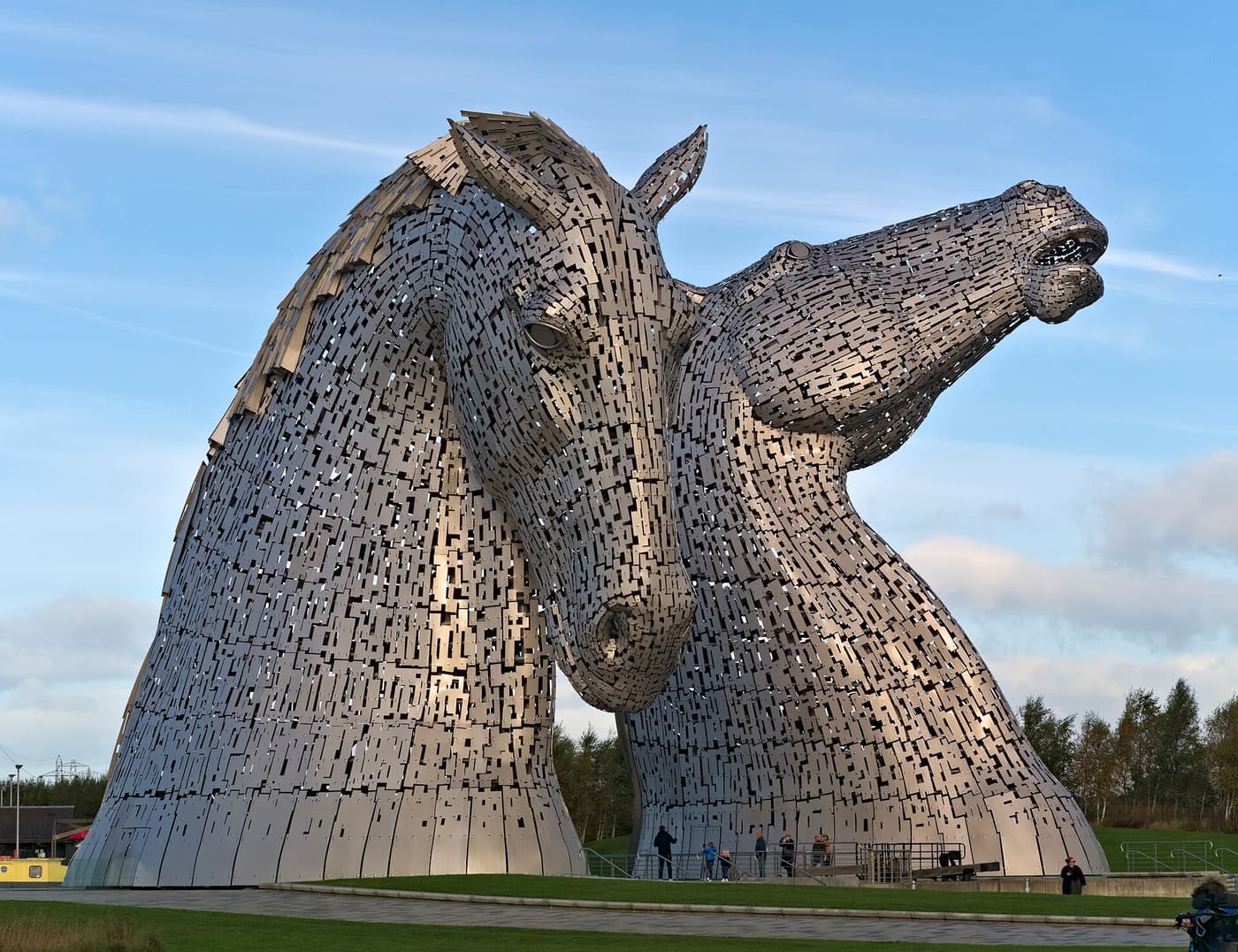
- The Kelpies and the Falkirk Wheel
How long to stay
A day is enough for the castle, the Old Town and the Wallace Monument. Stay a night to add Bannockburn, Doune Castle or the Kelpies without rushing, or to use Stirling as a base for the Trossachs.
Best base
Stay in the Old Town or near the station to walk everywhere. Bridge of Allan, a Victorian spa village a few minutes north by train, and Dunblane, with its cathedral, are pleasant alternatives.