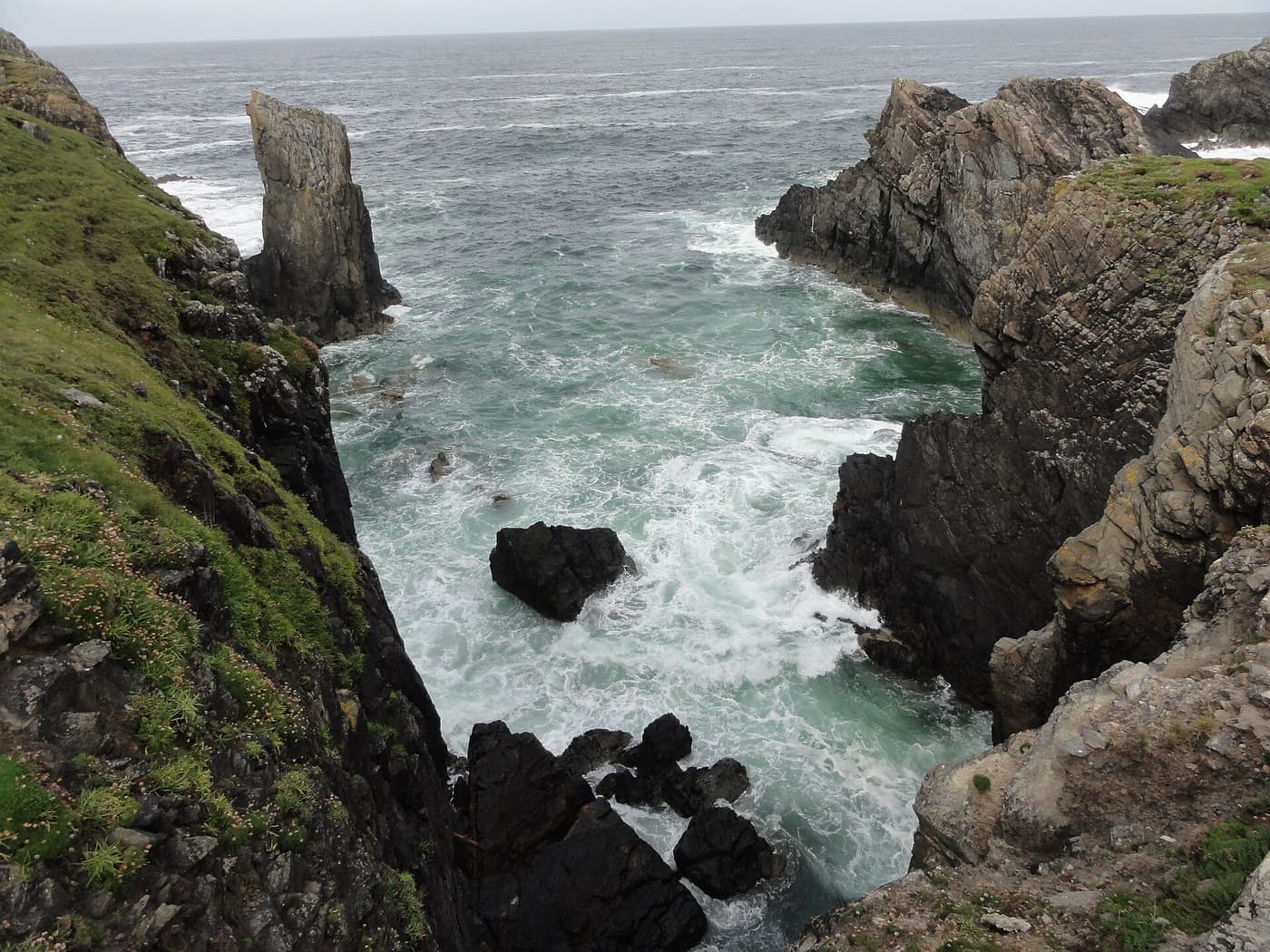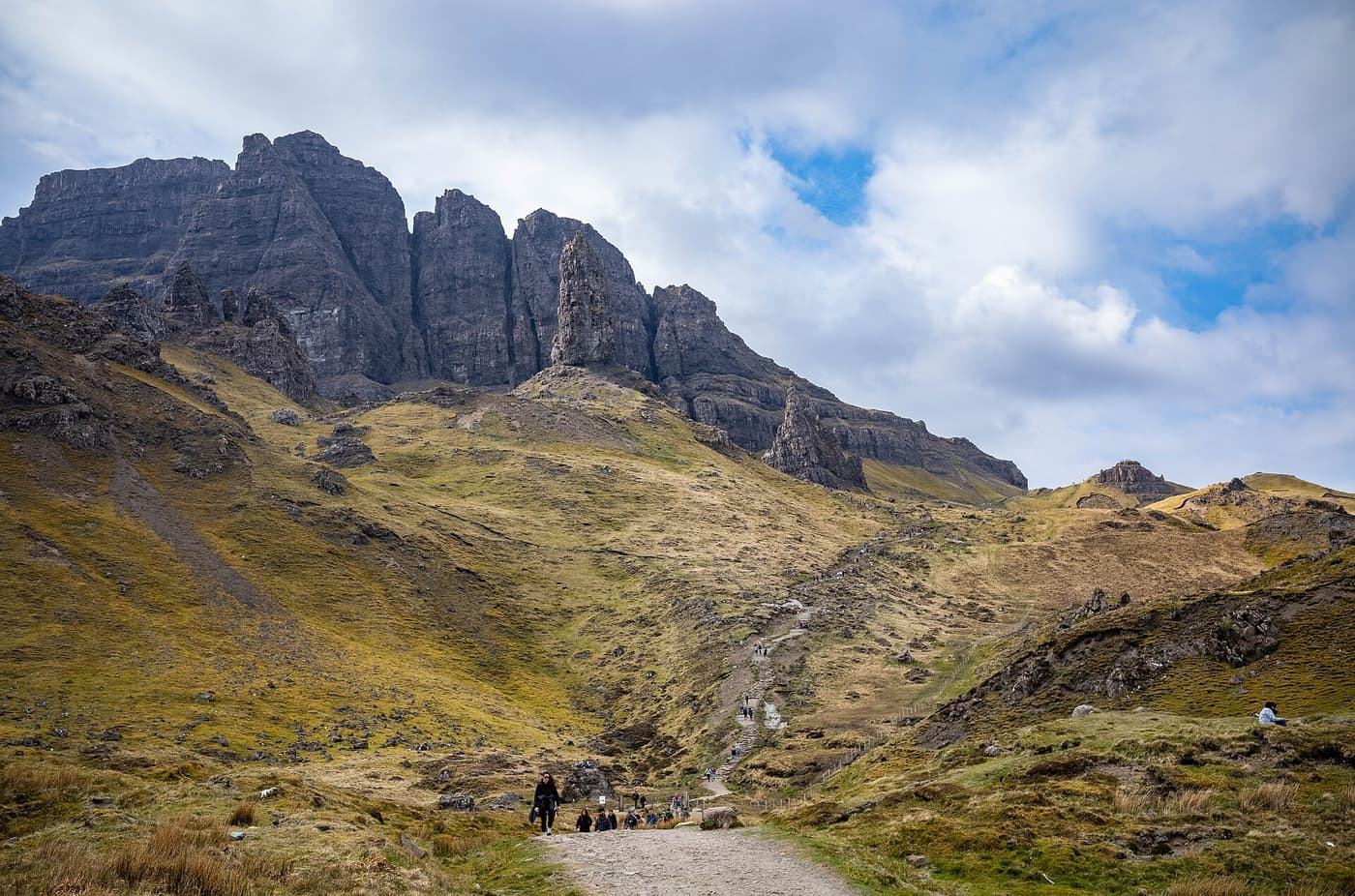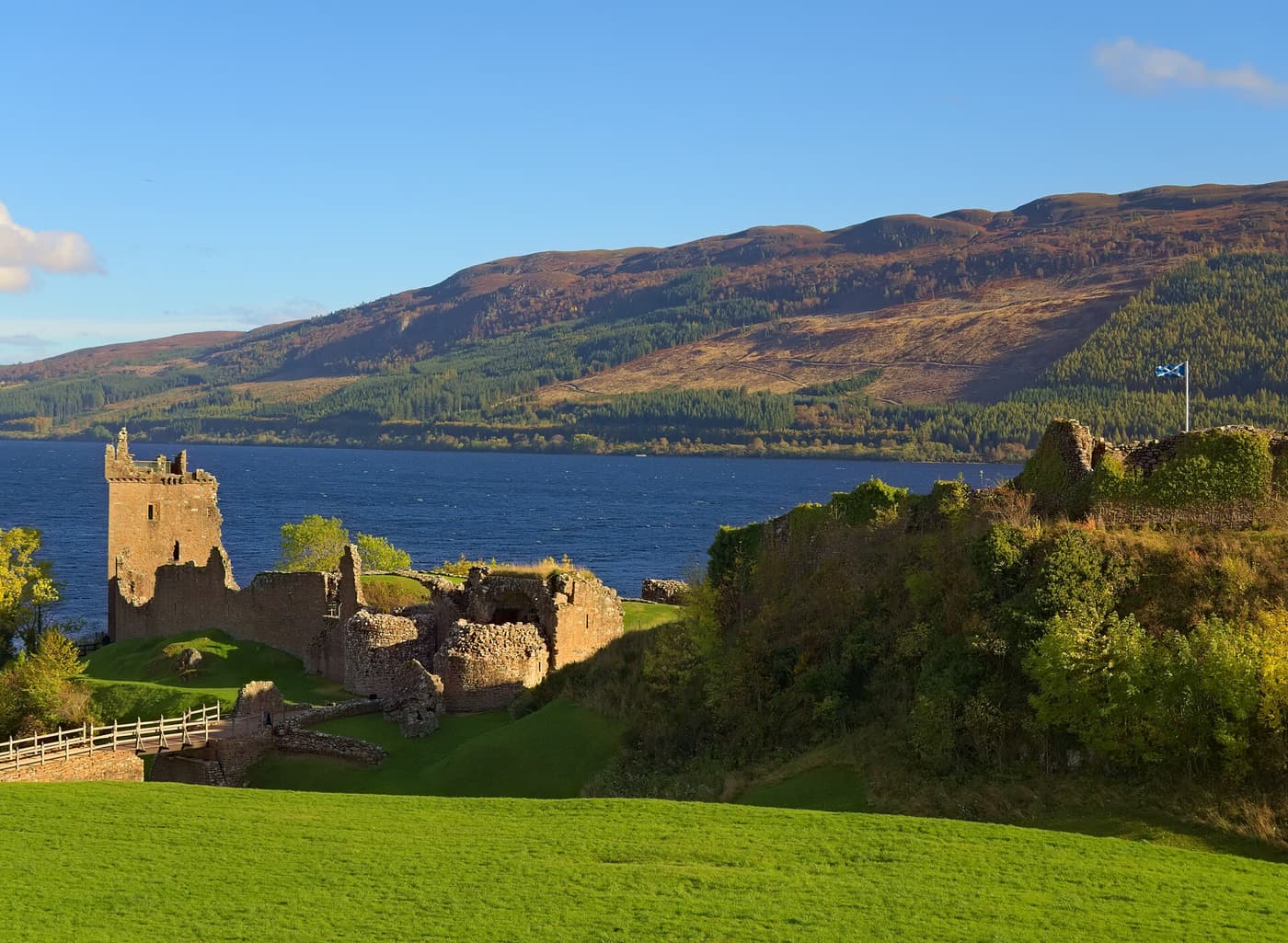
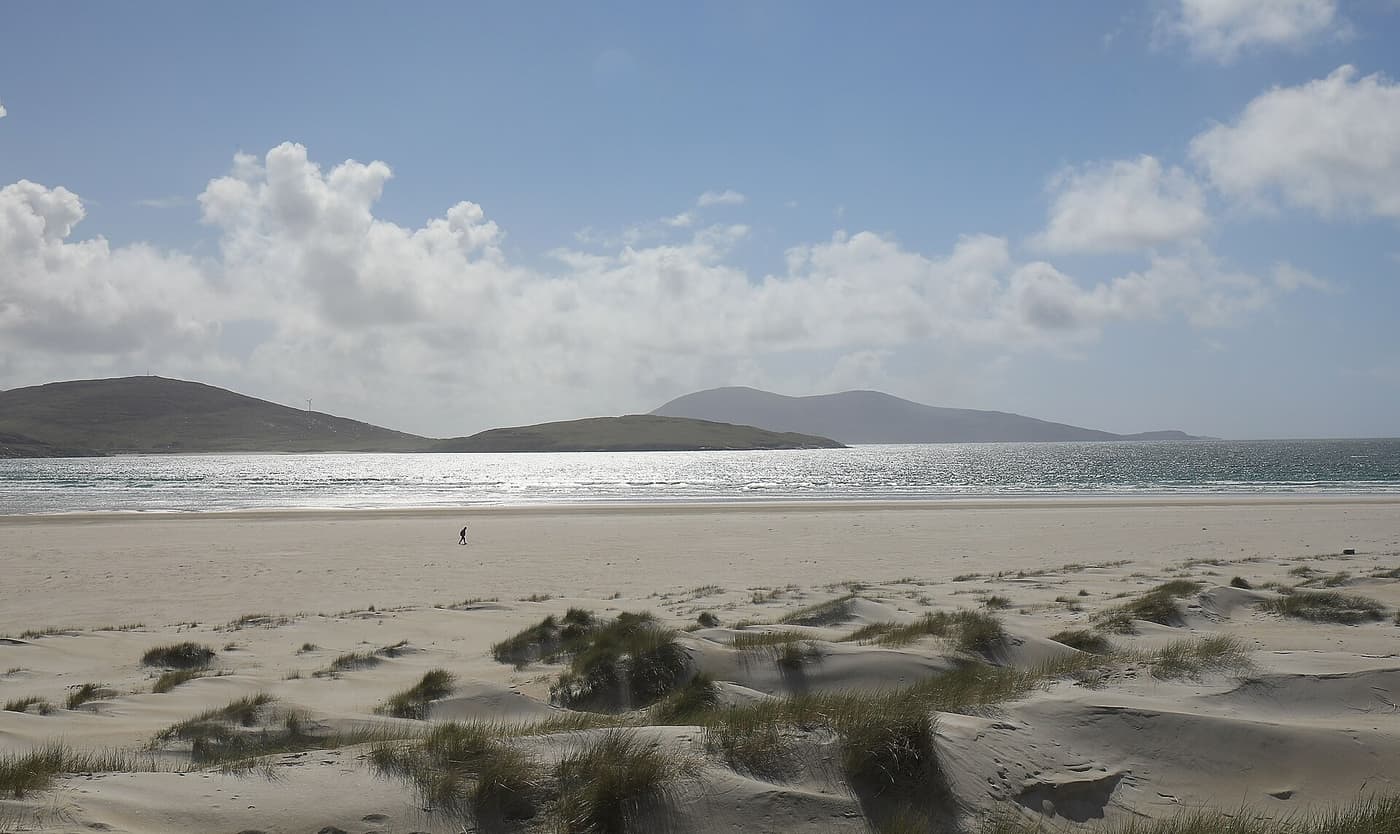
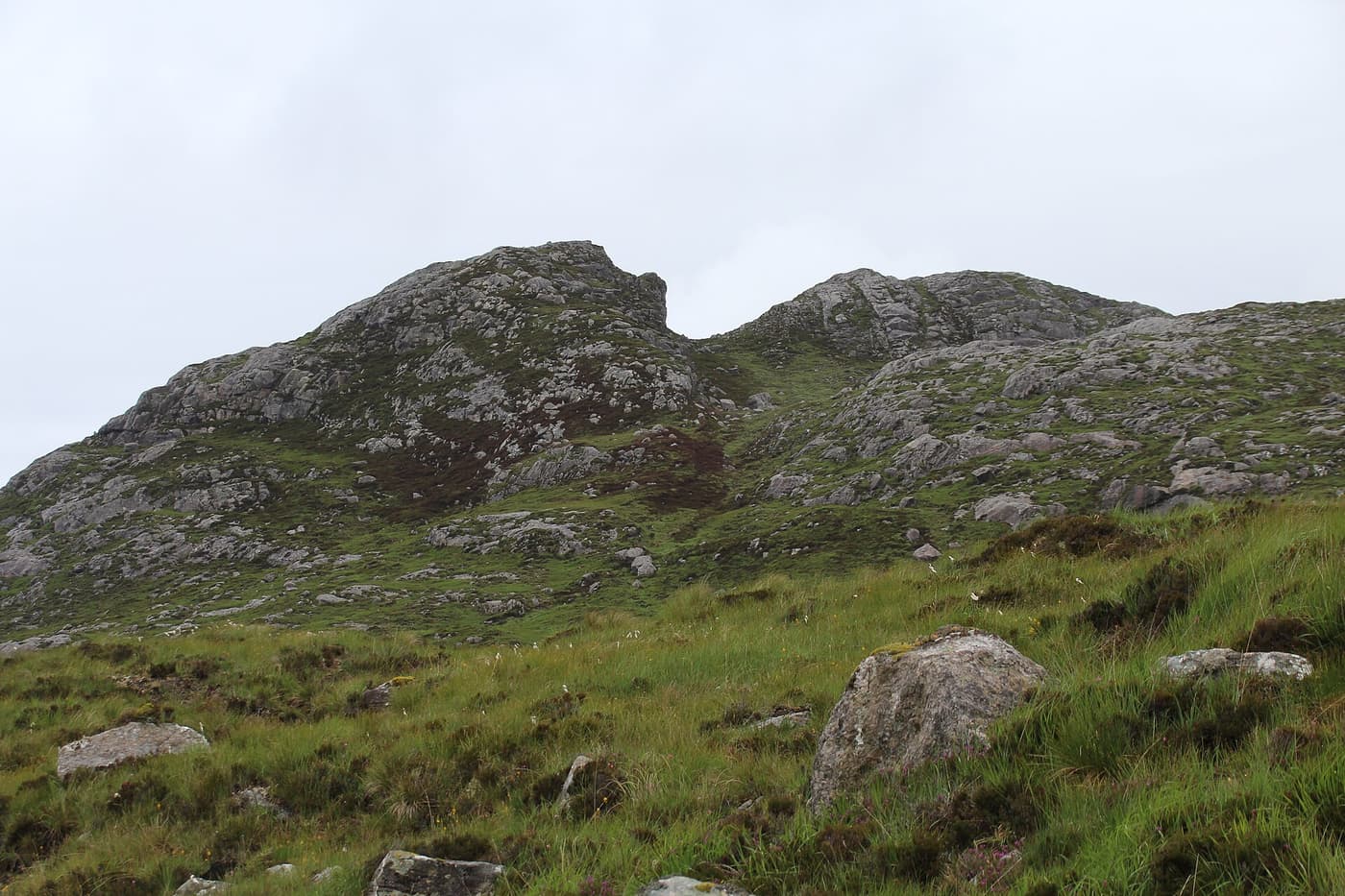
Forty miles out across the Minch, the Outer Hebrides — also called the Western Isles — feel like a different country. The landscape is elemental: peat moor and a thousand lochans in Lewis, bare rock mountains in Harris, and down the Atlantic coast mile after mile of white shell sand backed by flowery grassland called machair. This is the heartland of Scottish Gaelic, spoken daily by about half the population, and of crofting, peat-cutting and Harris Tweed.
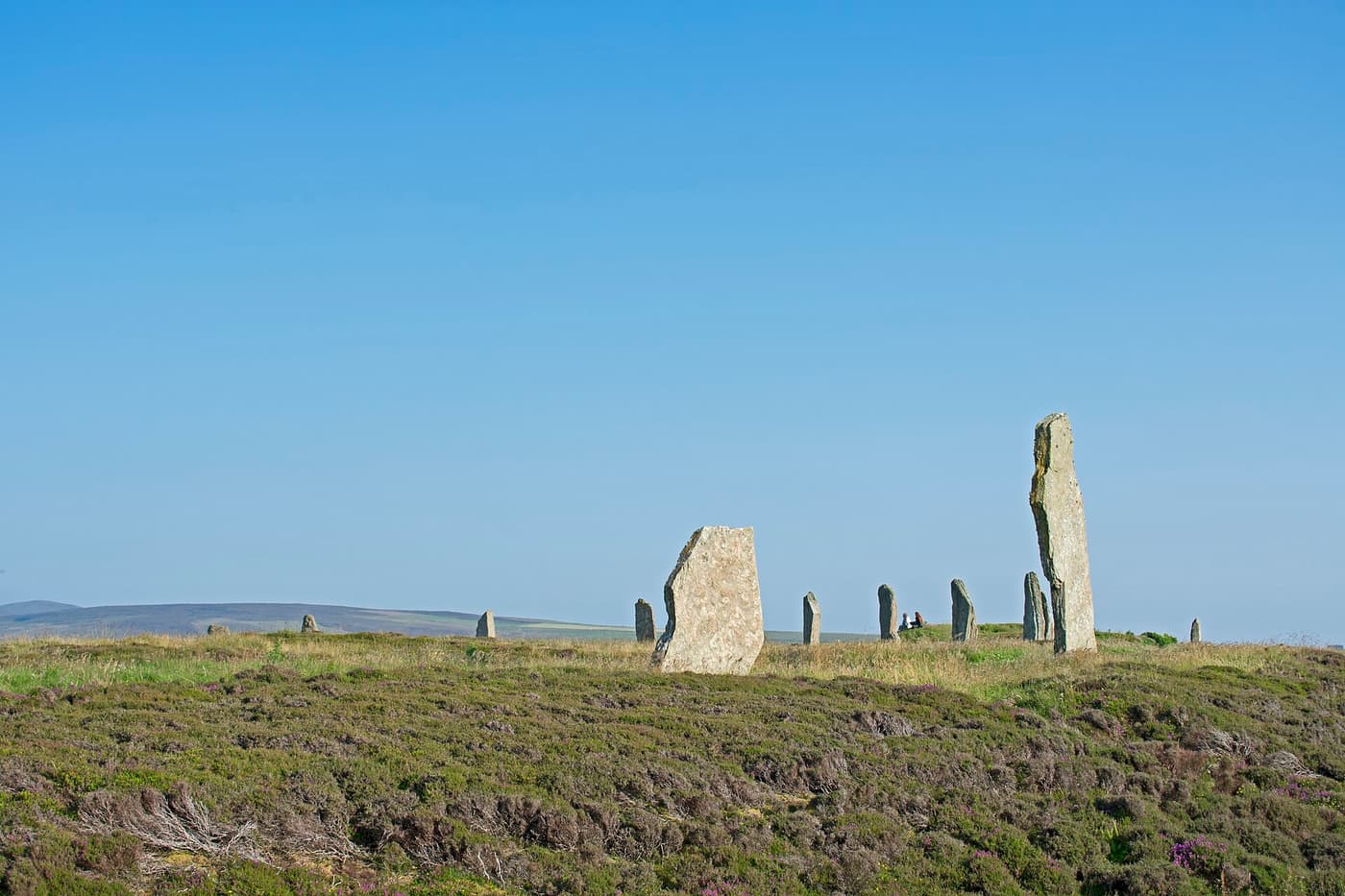
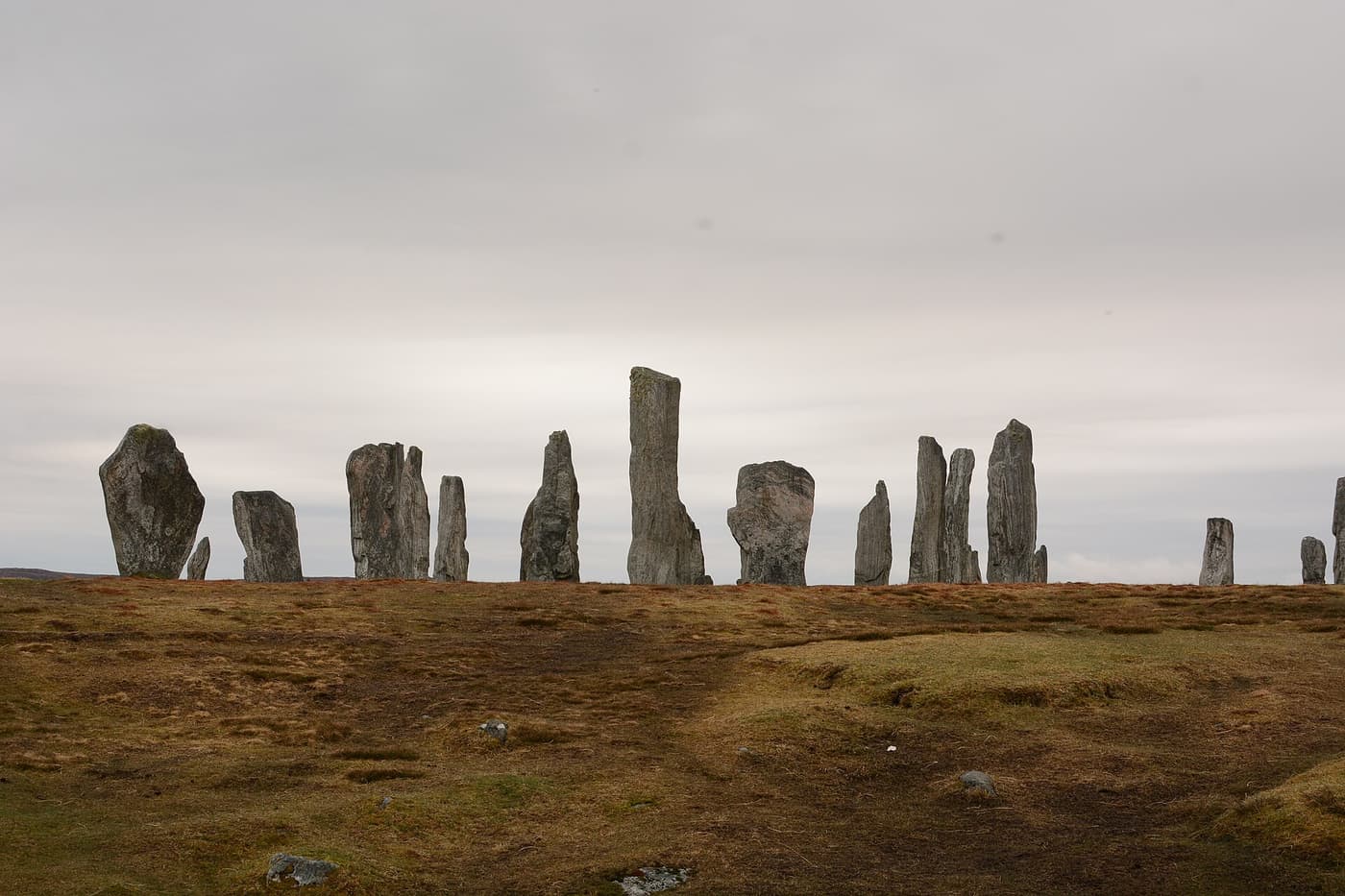
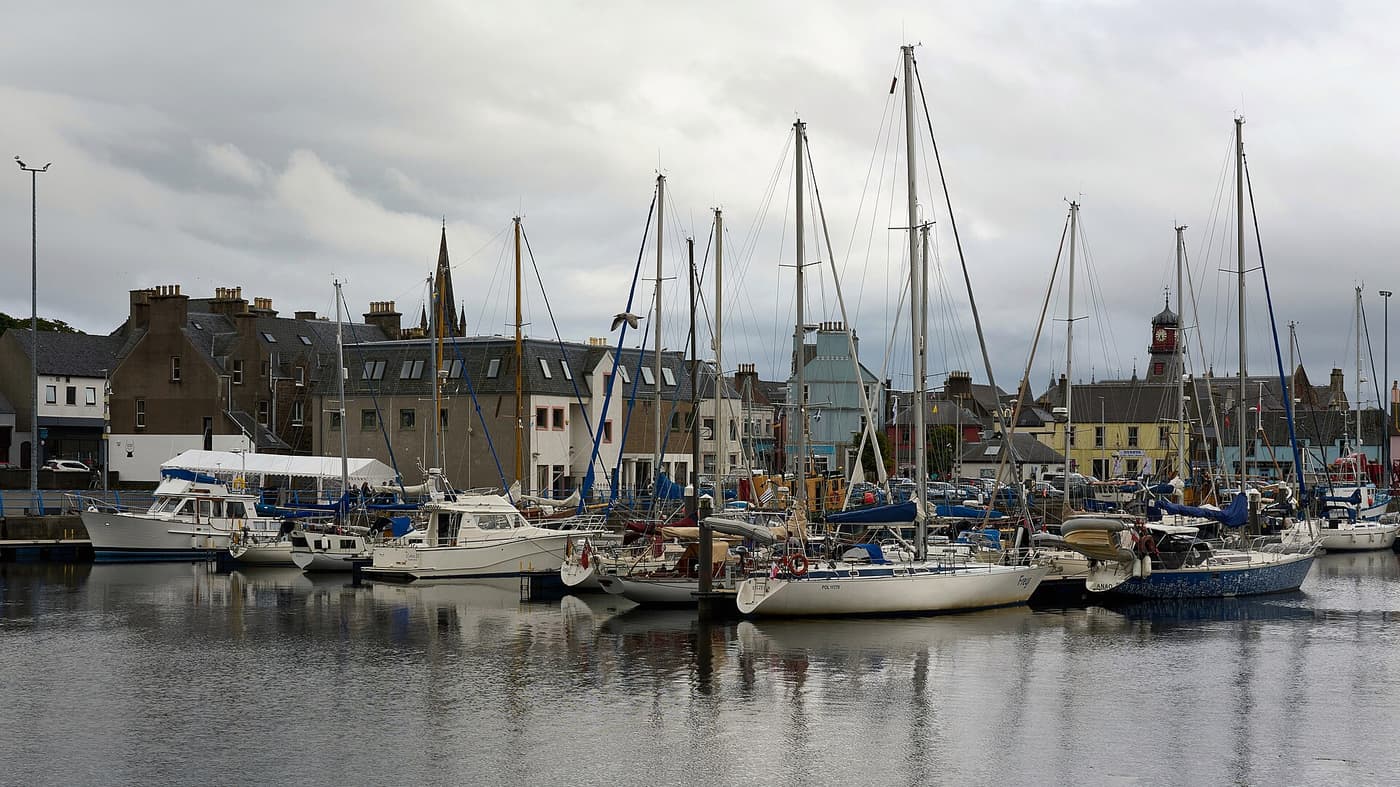
Lewis and Harris, despite the two names, are one island — the largest in Scotland. Lewis, the northern two-thirds, holds the only town, Stornoway, and an astonishing prehistoric landscape centred on the Calanais Standing Stones. Harris, the mountainous south, has the beaches of Luskentyre and Seilebost that regularly appear in lists of the world’s best. South again, across a short ferry, the Uists and Barra continue the chain.
Highlights
- The Calanais Standing Stones, raised some 5,000 years ago
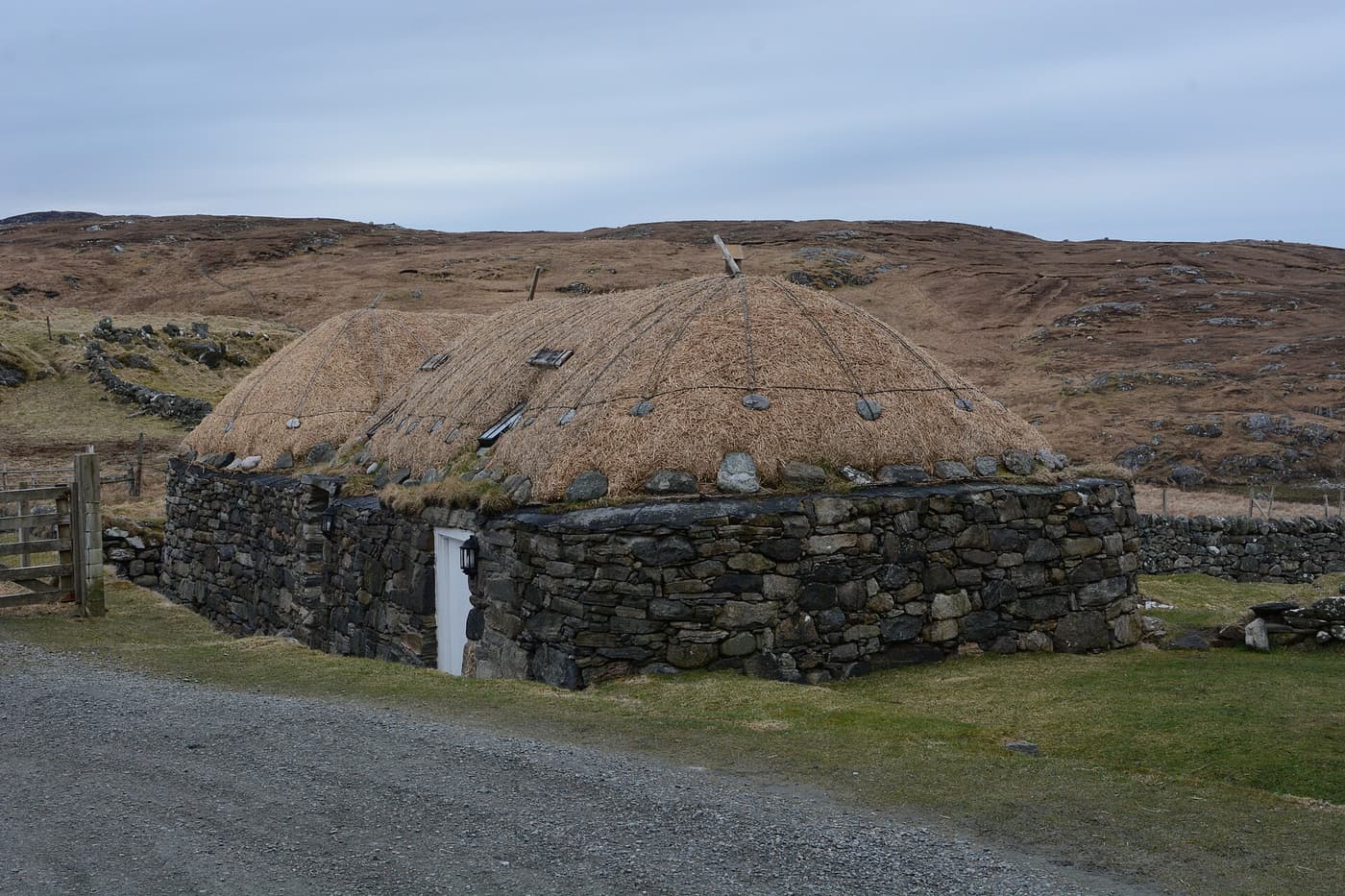
- The thatched blackhouses of Gearrannan and Arnol
- Luskentyre, Seilebost and the beaches of West Harris
- The cliffs and lighthouse at the Butt of Lewis
- Harris Tweed weavers and the Isle of Harris Distillery in Tarbert
- The lunar landscape of the Golden Road and St Clement’s Church at Rodel
How long to stay
Three nights is a sensible minimum for Lewis and Harris: a day for the west side of Lewis, a day for Harris and its beaches, and a margin for the ferry. Five to seven days let you slow down or continue south through the Uists to Barra.
Best base
Stornoway has the most hotels, restaurants and services and suits a visit to Lewis. For Harris, stay in or around Tarbert or along the west coast near the beaches. Many of the best places are self-catering cottages and small B&Bs scattered through the townships — book months ahead for summer.