The west side of Lewis packs 5,000 years of history into a 30-mile strip of coast; Harris is about landscape. A loop from Stornoway to Calanais, Carloway, Arnol and back is about 60 miles. The beaches of West Harris are a further hour and a half south.
1 Calanais Standing Stones
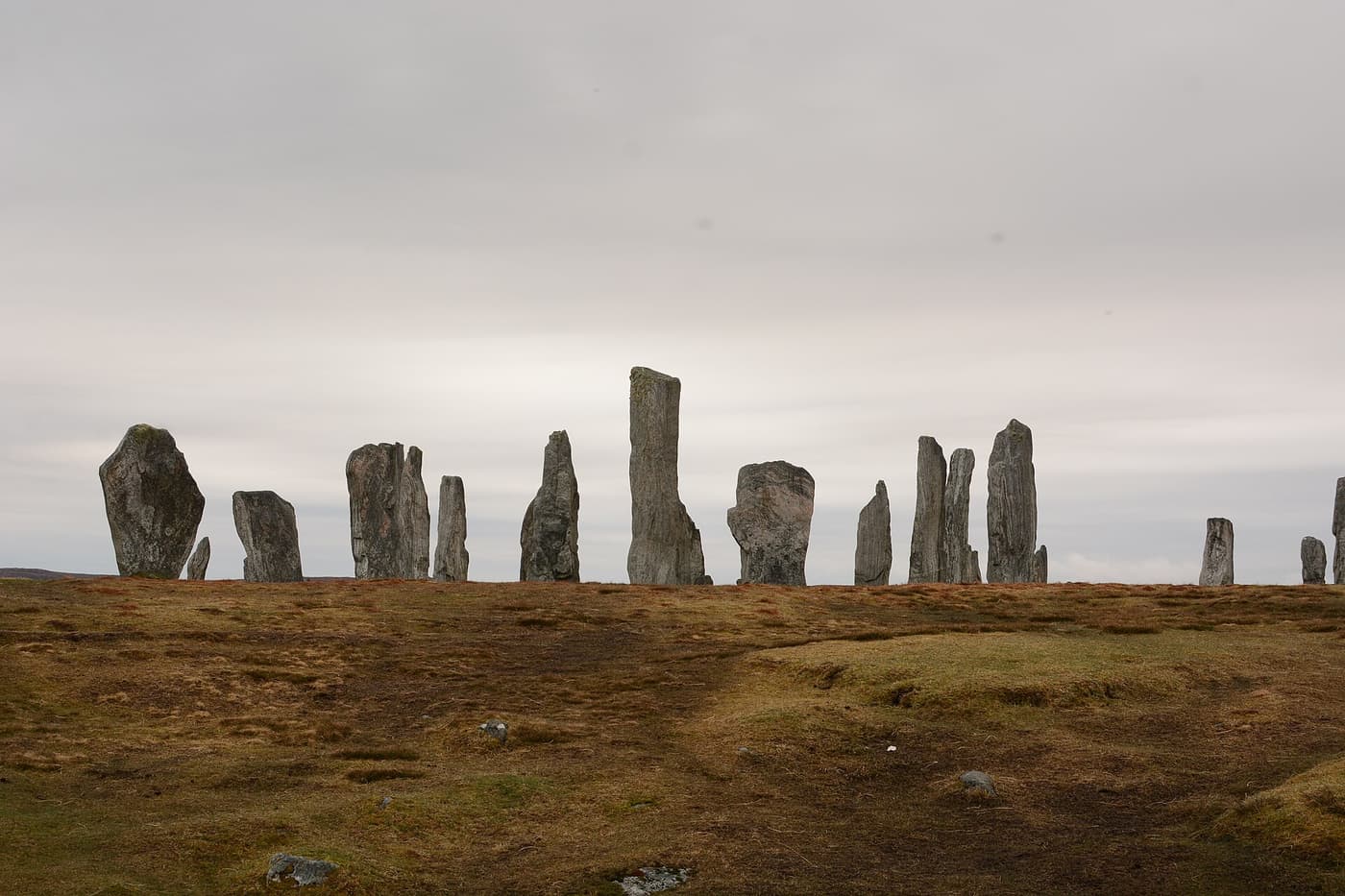
One of the most important prehistoric monuments in Europe: a ring of thirteen tall slabs of ancient Lewisian gneiss around a central monolith nearly five metres high, with avenues of stones radiating from it in the shape of a cross. It was begun around 2900 BC, before the great circle at Stonehenge. You can walk freely among the stones, and two smaller circles stand within sight.
Practical: About 30 minutes’ drive west of Stornoway. Access arrangements and the visitor centre have been changing during a major redevelopment — check the current position, and whether a charge applies, before you go. Allow 1 hour; best early or late in the day.
2 Gearrannan and Arnol blackhouses
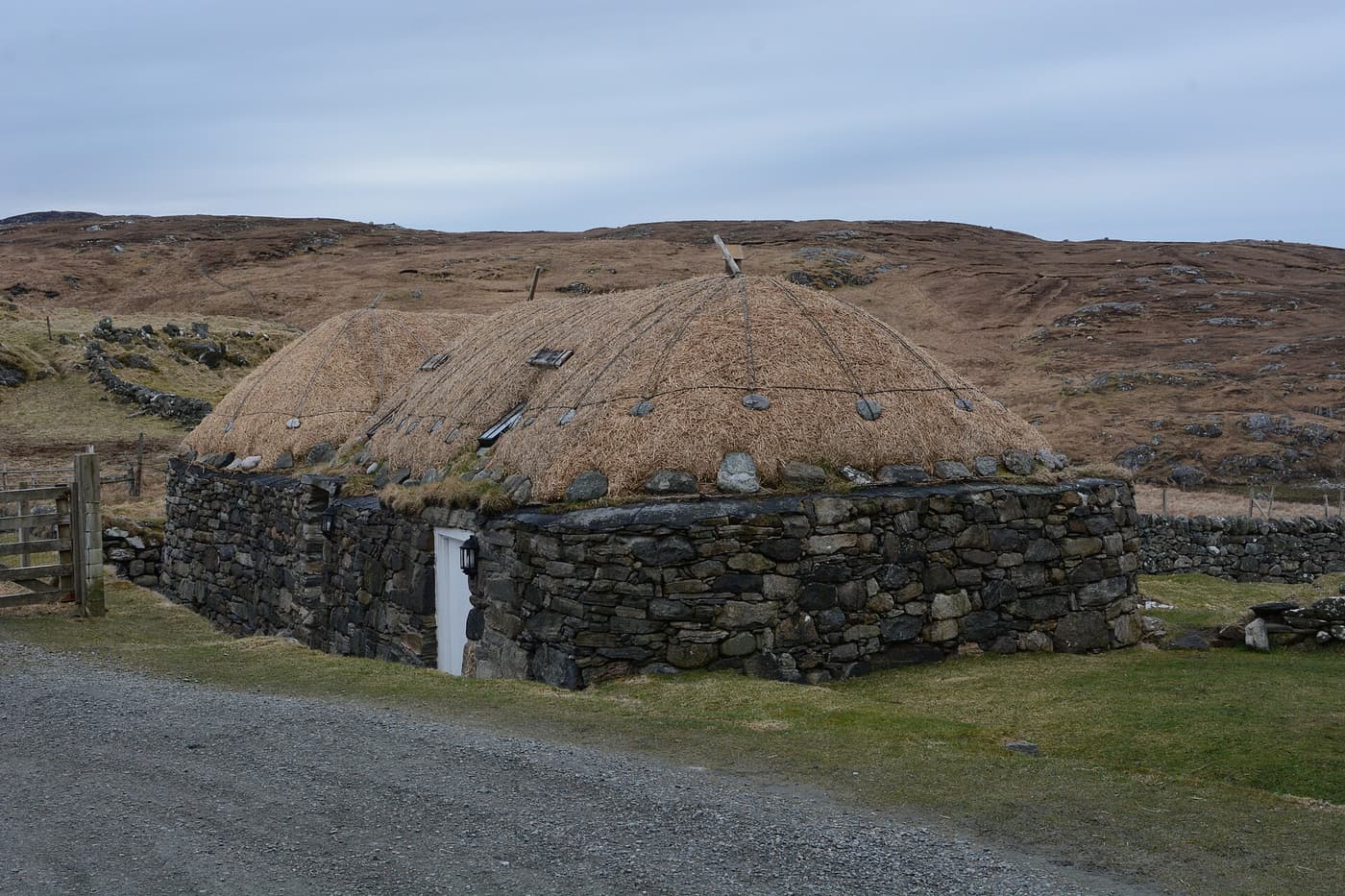
Blackhouses — long, low, double-walled stone houses with thatched roofs, shared by people and cattle — were lived in on Lewis well into the 20th century. At Gearrannan a whole seaside street of them, occupied until 1974, has been restored, with a small museum and demonstrations of weaving. At Arnol, a single house is preserved exactly as it was left, with a peat fire burning in the middle of the floor.
Practical: Both charge a modest entry and are closed on Sundays; opening is reduced in winter. Allow 45 minutes each.
3 Dun Carloway Broch
A drystone tower built some 2,000 years ago, still standing nine metres high on one side and showing the double-wall construction with stairs inside the thickness of the wall. From the top of its knoll you look out across a loch-strewn coast to the Atlantic.
Practical: Free, always open. 20–30 minutes; a short, steep path from the car park.
4 The Butt of Lewis and Ness
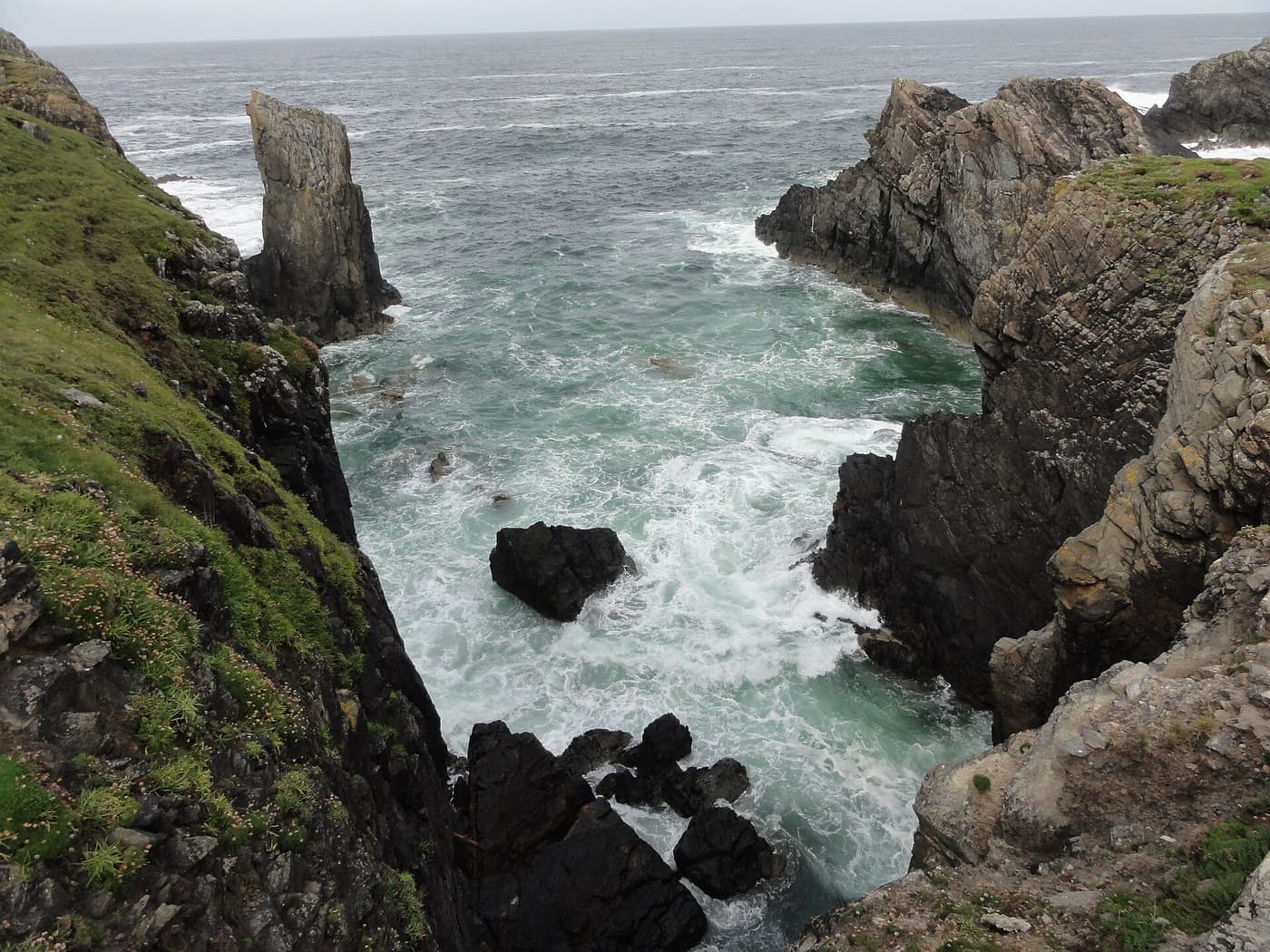
The northern tip of the Hebrides is a headland of contorted rock, battered by some of the strongest winds in Britain, with a red-brick lighthouse of 1862. Next landfall north is the Arctic. Nearby are the sheltered sands of Port of Ness and the small medieval church of St Moluag.
Practical: Free. About 45 minutes’ drive from Stornoway. Unfenced cliffs: keep well back in wind.
5 Stornoway and Lews Castle
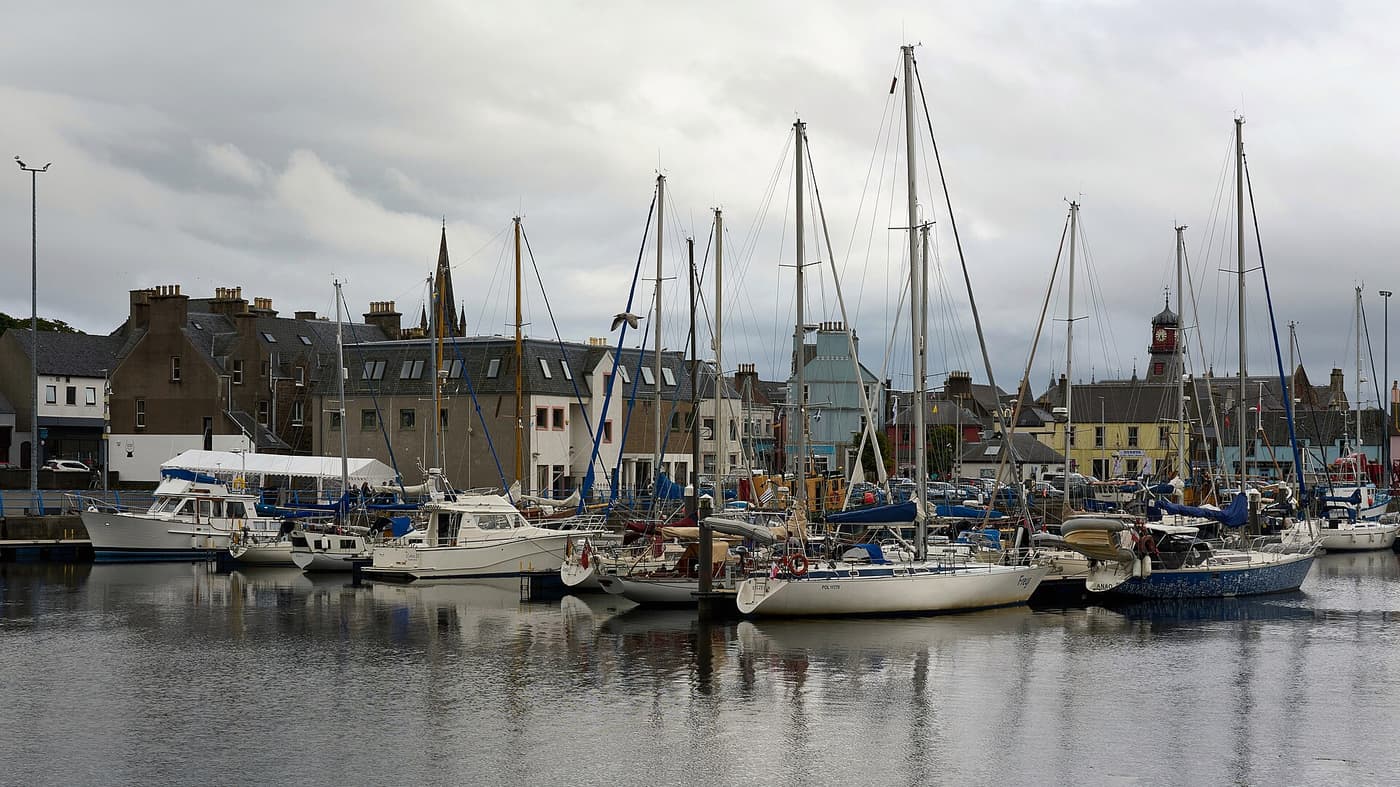
A working harbour town with seals in the bay and fishing boats on the quay. Across the water, Victorian Lews Castle stands in wooded grounds; its museum tells the story of island life and displays six of the famous 12th-century Lewis chessmen, found in the dunes at Uig. The An Lanntair arts centre has a café, cinema and gallery, and the town’s butchers sell the celebrated Stornoway black pudding.
Practical: Museum: free, closed Sundays (check days). Castle grounds: free, with waymarked walks. Allow half a day.
6 Luskentyre and the beaches of West Harris
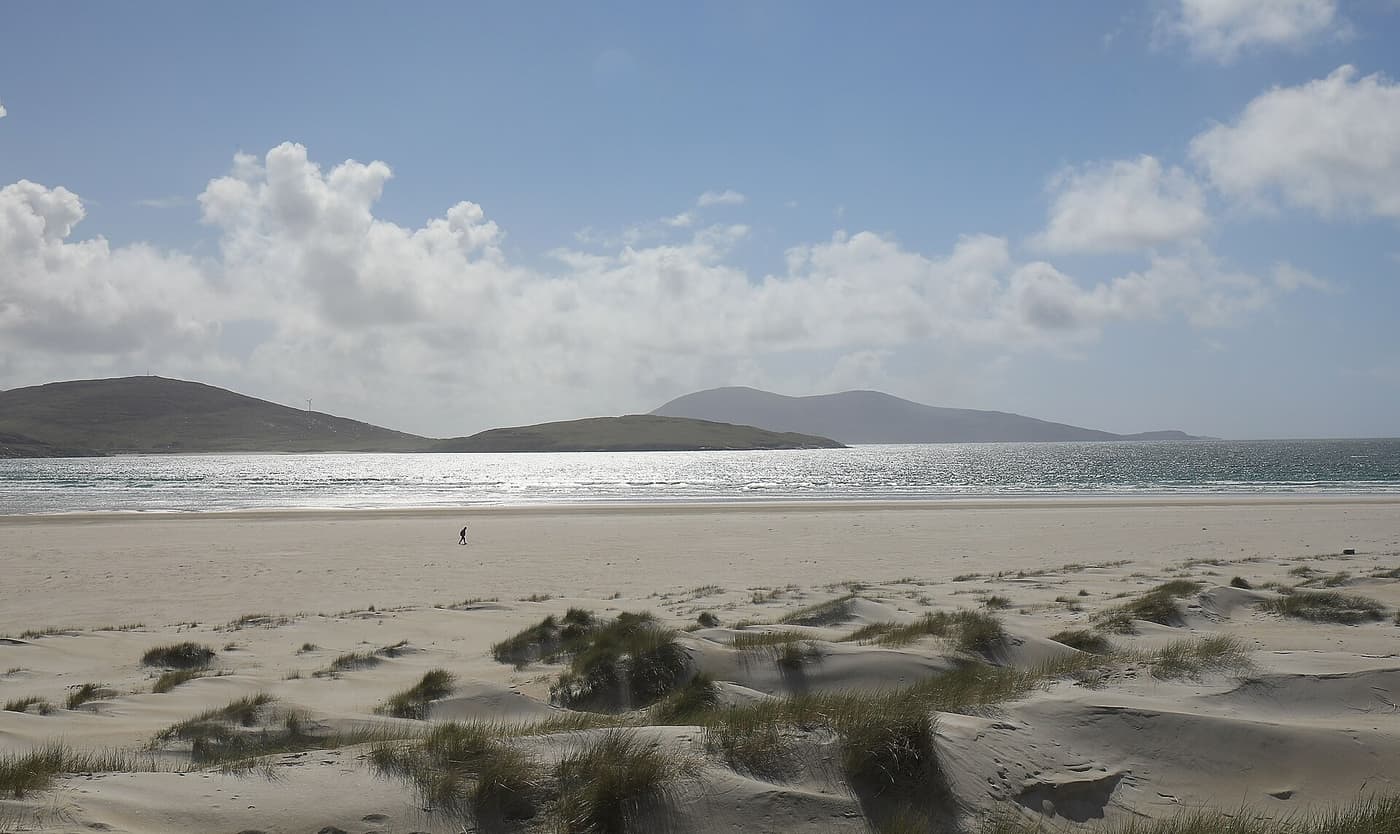
Where the mountains of Harris meet the Atlantic, a tidal estuary opens into miles of white shell sand washed by turquoise water, with the island of Taransay offshore. Luskentyre is the most famous, but Seilebost, Horgabost, Scarista and, at the end of a long single-track road, Hushinish are every bit as lovely. On a sunny day it looks tropical; the water never is.
Practical: Free; small car parks, some with honesty boxes. Luskentyre is about 20 minutes from Tarbert down a narrow side road. Allow as long as the weather lets you.
7 Tarbert, Harris Tweed and the Golden Road
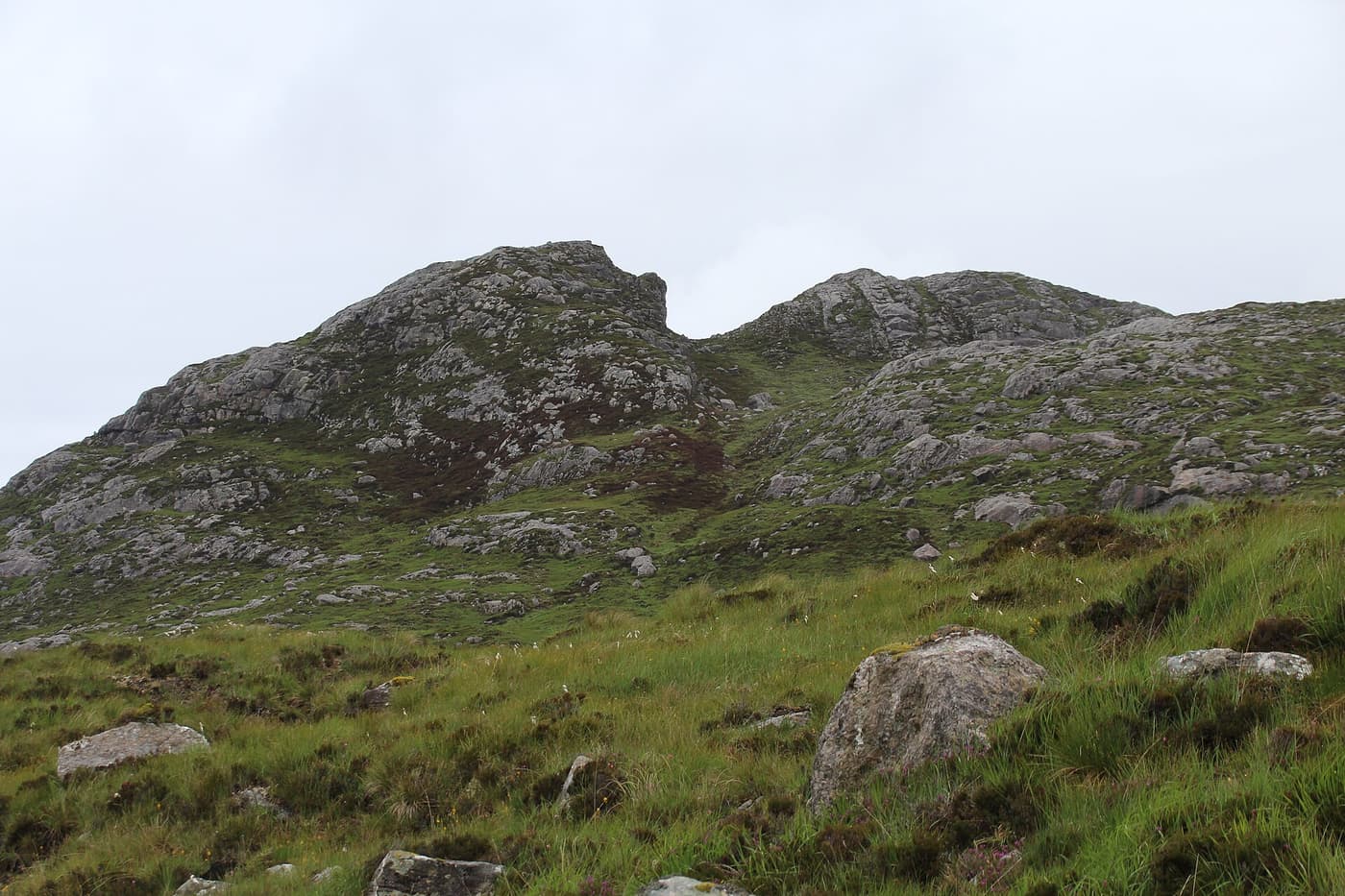
Tarbert, the ferry port of Harris, is home to the Isle of Harris Distillery — known for its gin and now its single malt — and to shops selling Harris Tweed, which by law must be handwoven by islanders at their homes from pure wool dyed and spun in the Outer Hebrides. South of the village, the twisting “Golden Road” threads a moonscape of bare rock and inlets down the east coast to Rodel, where St Clement’s Church holds a magnificent carved tomb of 1528.
Practical: Distillery tours: paid, book well ahead; closed Sundays. Golden Road: allow 1½ hours; single-track throughout.
8 The Uists, Barra and St Kilda
A ferry from Leverburgh crosses the Sound of Harris to Berneray and the Uists, a low, watery world of machair, wading birds and causeways. At the foot of the chain, Barra has a medieval castle in its bay and an airport where scheduled flights land on the beach. Far out to the west, the abandoned archipelago of St Kilda — a double World Heritage Site with the highest sea cliffs in Britain — can be reached on long day trips by fast boat in summer, weather permitting.
Practical: Inter-island ferries are run by CalMac. St Kilda trips are expensive, often cancelled for weather and need booking far ahead with a flexible schedule.
Guided tours: Outer Hebrides: Lewis & Harris
Entry ticket from €14 Stornoway: Harris Tweed Story Room Guided Visit
A short, inexpensive introduction to the islands’ famous cloth, with a weaving demonstration.
Day trip from €68 Isle of Lewis: Historic Sites Loop Tour
A five-hour loop from Stornoway to the Calanais standing stones, a blackhouse village and other west-side sites.