The West Mainland holds the prehistoric sites, 20–30 minutes from Kirkwall. The Italian Chapel and the Churchill Barriers are to the south-east, on the way to the short ferry crossings. Hoy and the northern isles each need a separate day.
1 Skara Brae
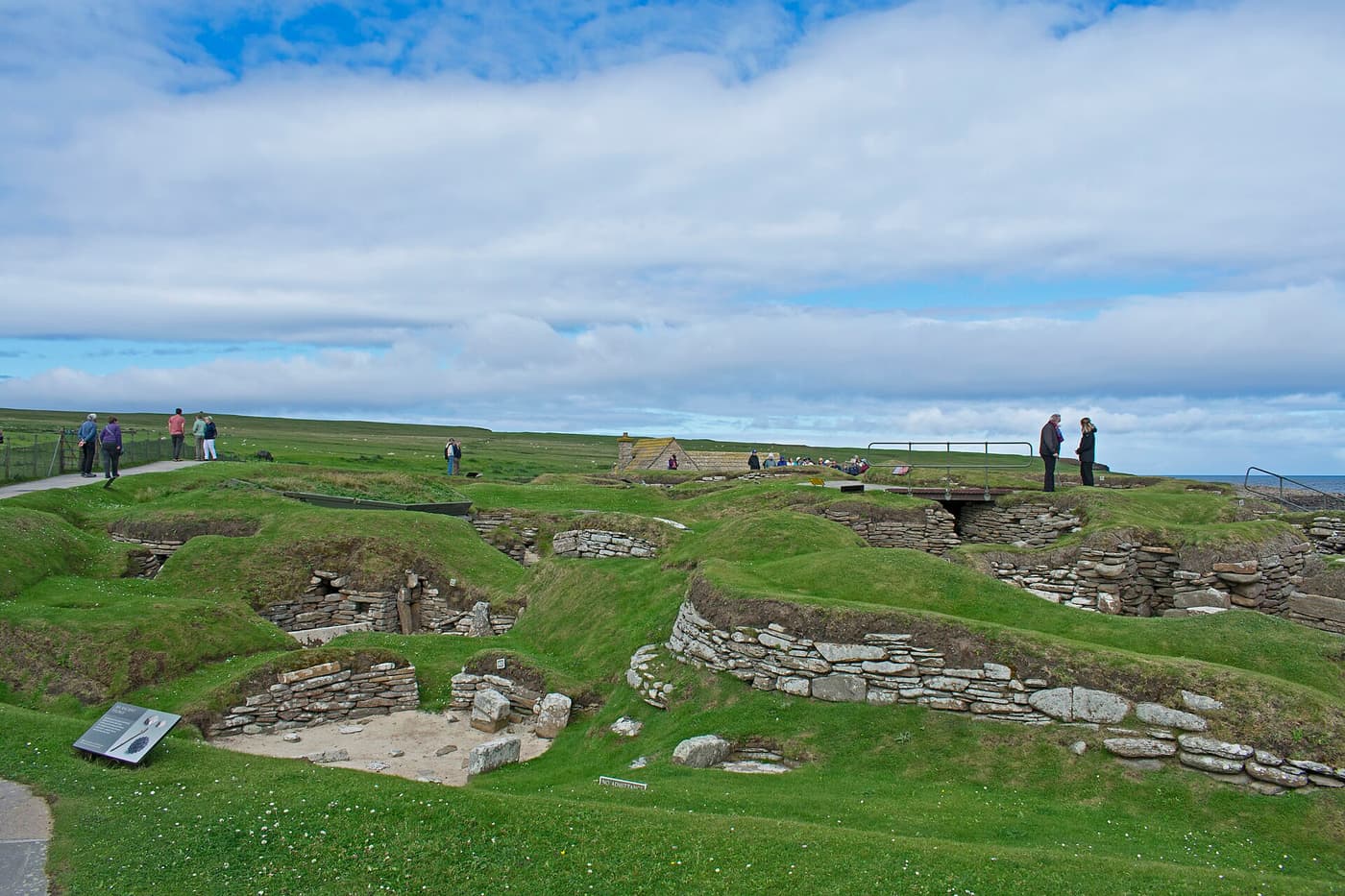
In 1850 a storm tore the turf from a dune on the Bay of Skaill and revealed a cluster of stone houses that had lain buried for more than four millennia. Inhabited from about 3100 BC — before the pyramids — the village is astonishingly intact: each house has a central hearth, stone box beds and a stone dresser. A replica house lets you step inside, and the ticket usually includes nearby Skaill House in summer.
Practical: Paid entry (Historic Environment Scotland); book ahead in summer, and avoid the middle of the day when cruise coaches arrive. Allow 1½ hours. About 30 minutes’ drive from Kirkwall, 15 from Stromness.
2 The Ring of Brodgar and the Stones of Stenness
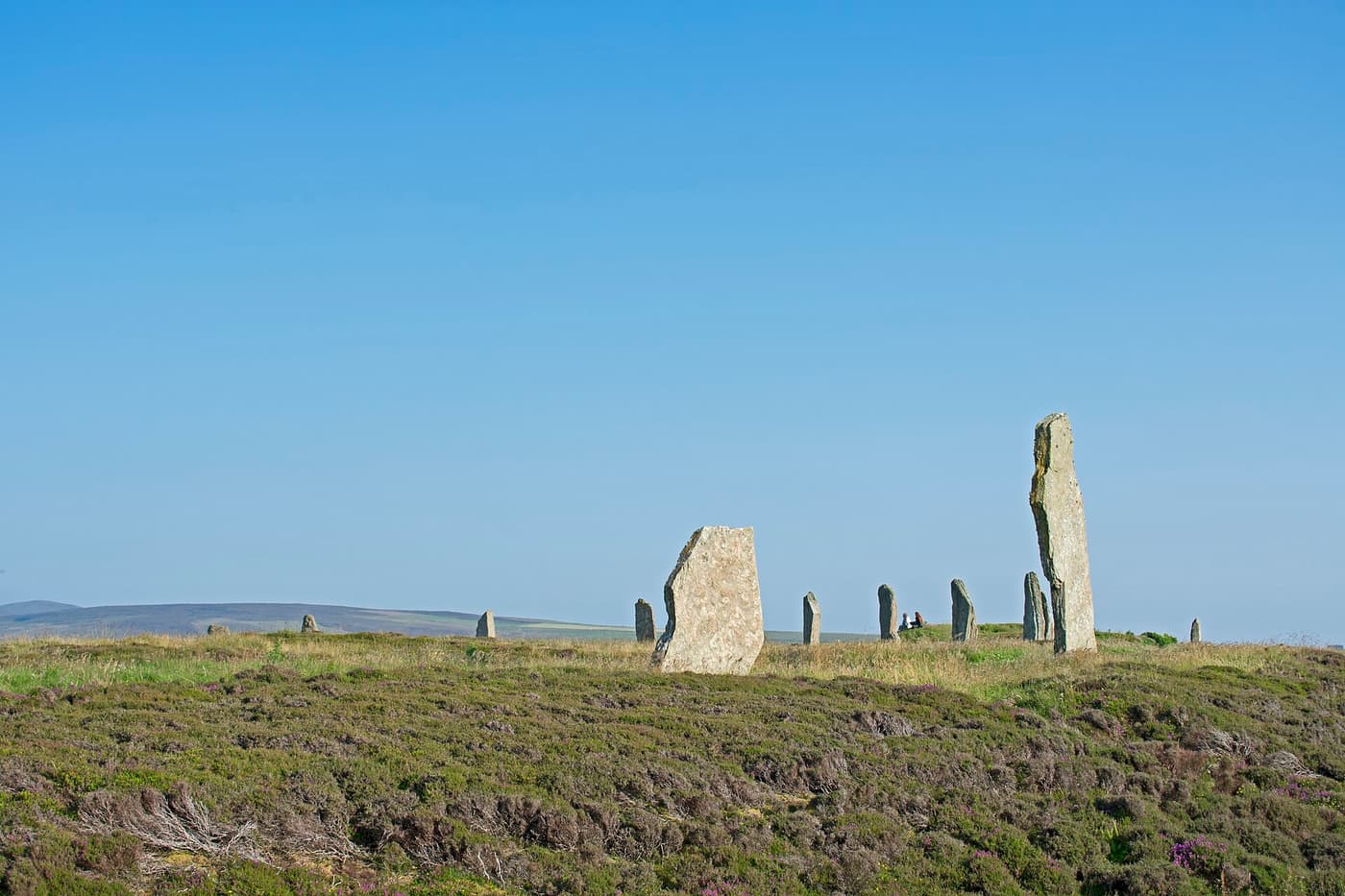
On a narrow strip of land between two lochs stand two great stone circles. The Ring of Brodgar, 104 metres across, originally had about sixty stones, of which 36 survive, surrounded by a rock-cut ditch. A mile away, the four tall, blade-like Stones of Stenness may belong to the oldest henge in the British Isles. Go at sunrise or sunset if you can.
Practical: Both free and always open. Allow 1 hour for the two. Paths at Brodgar are sometimes re-routed to protect the ground.
3 Maeshowe
From outside, a grassy mound; inside, the finest chambered tomb in north-west Europe, built about 2800 BC from massive, precisely fitted slabs. For a few weeks around midwinter the setting sun shines down the entrance passage to the back wall. In the 12th century Norsemen broke in and left the largest collection of runic graffiti outside Scandinavia — boasts, jokes and a little dragon.
Practical: Paid; by timed guided tour only, with a shuttle bus from the visitor centre at Stenness. Book ahead. About 1 hour. The low entrance passage requires stooping.
4 Kirkwall and St Magnus Cathedral
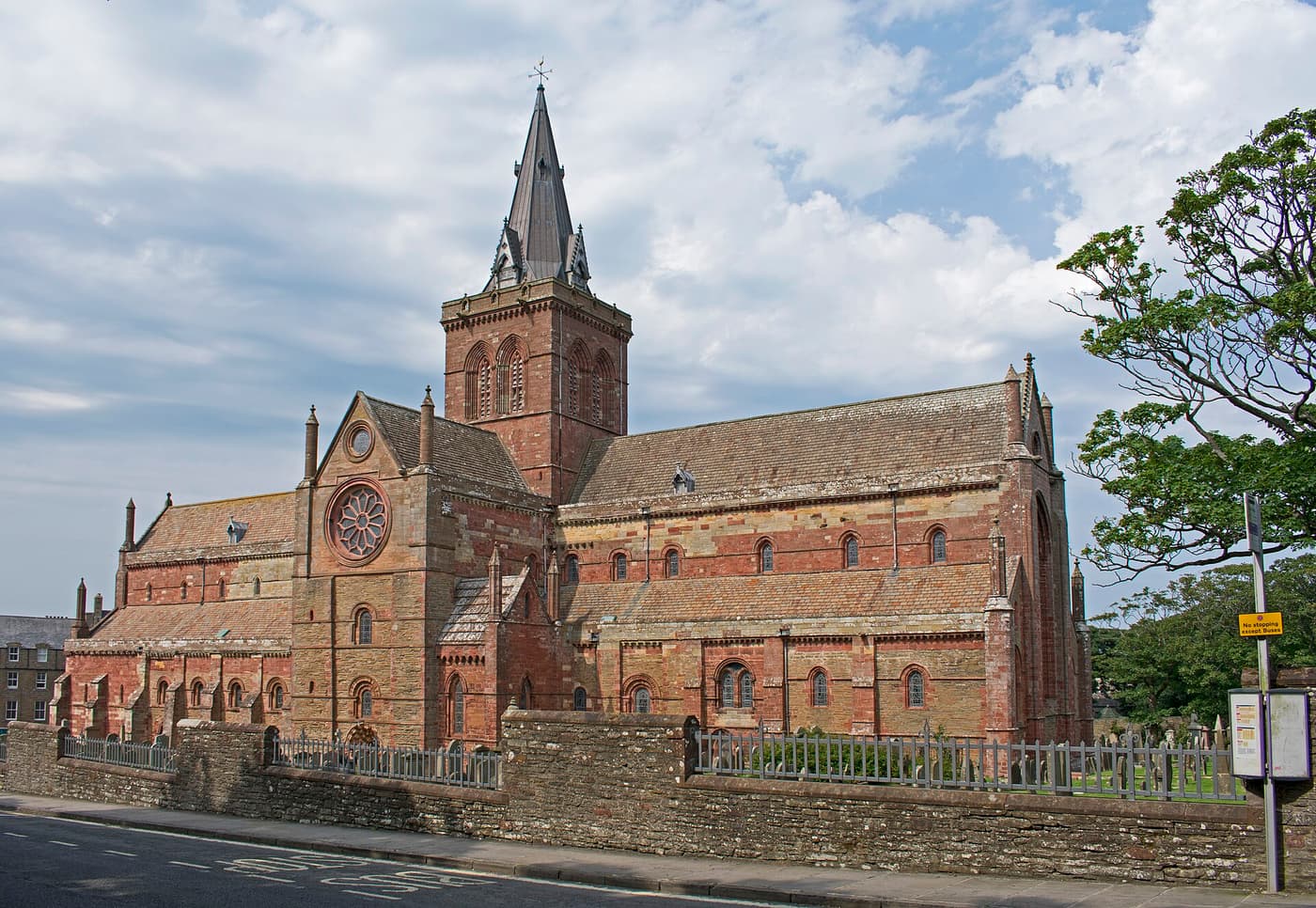
The capital is a compact town of narrow flagged streets. At its heart is the cathedral founded in 1137 by the Norse Earl Rognvald in honour of his murdered uncle Magnus, built of banded red and yellow sandstone and one of the best-preserved medieval cathedrals in Scotland. Opposite are the ruined Bishop’s and Earl’s Palaces and the free Orkney Museum. Highland Park, on the edge of town, has been distilling since 1798.
Practical: Cathedral: free (donations; paid tours of the upper levels). Palaces: paid, seasonal. Allow half a day for the town.
5 The Italian Chapel and the Churchill Barriers
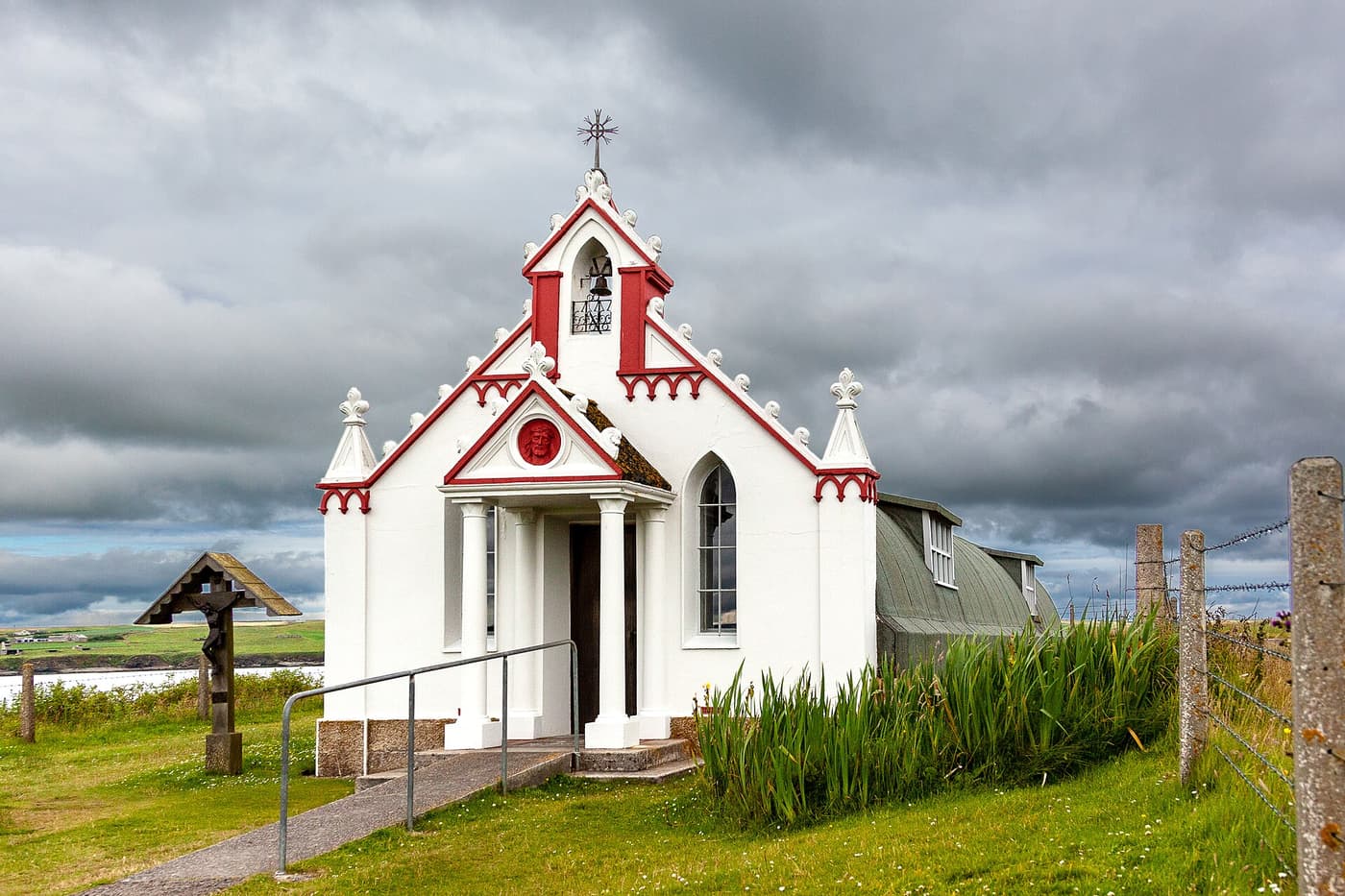
After a German submarine slipped into Scapa Flow in October 1939 and sank the battleship Royal Oak, Churchill ordered the eastern channels sealed with causeways. Italian prisoners of war built them — and, in their spare time, turned two corrugated-iron huts on the islet of Lamb Holm into an exquisite chapel with a painted interior and a façade of moulded concrete. The barriers now carry the road south to Burray and South Ronaldsay.
Practical: Chapel: small entry charge. 20–30 minutes. About 15 minutes’ drive south of Kirkwall.
6 Scapa Flow
This vast natural harbour was the Royal Navy’s main base in both world wars. In June 1919 the interned German High Seas Fleet scuttled itself here; several wrecks remain and make it one of the world’s great dive sites. The story is told at the Scapa Flow Museum in the former naval base at Lyness on the island of Hoy.
Practical: Museum: free; usually open spring to autumn. Car ferry from Houton to Lyness (about 30 minutes; book vehicles).
7 Stromness
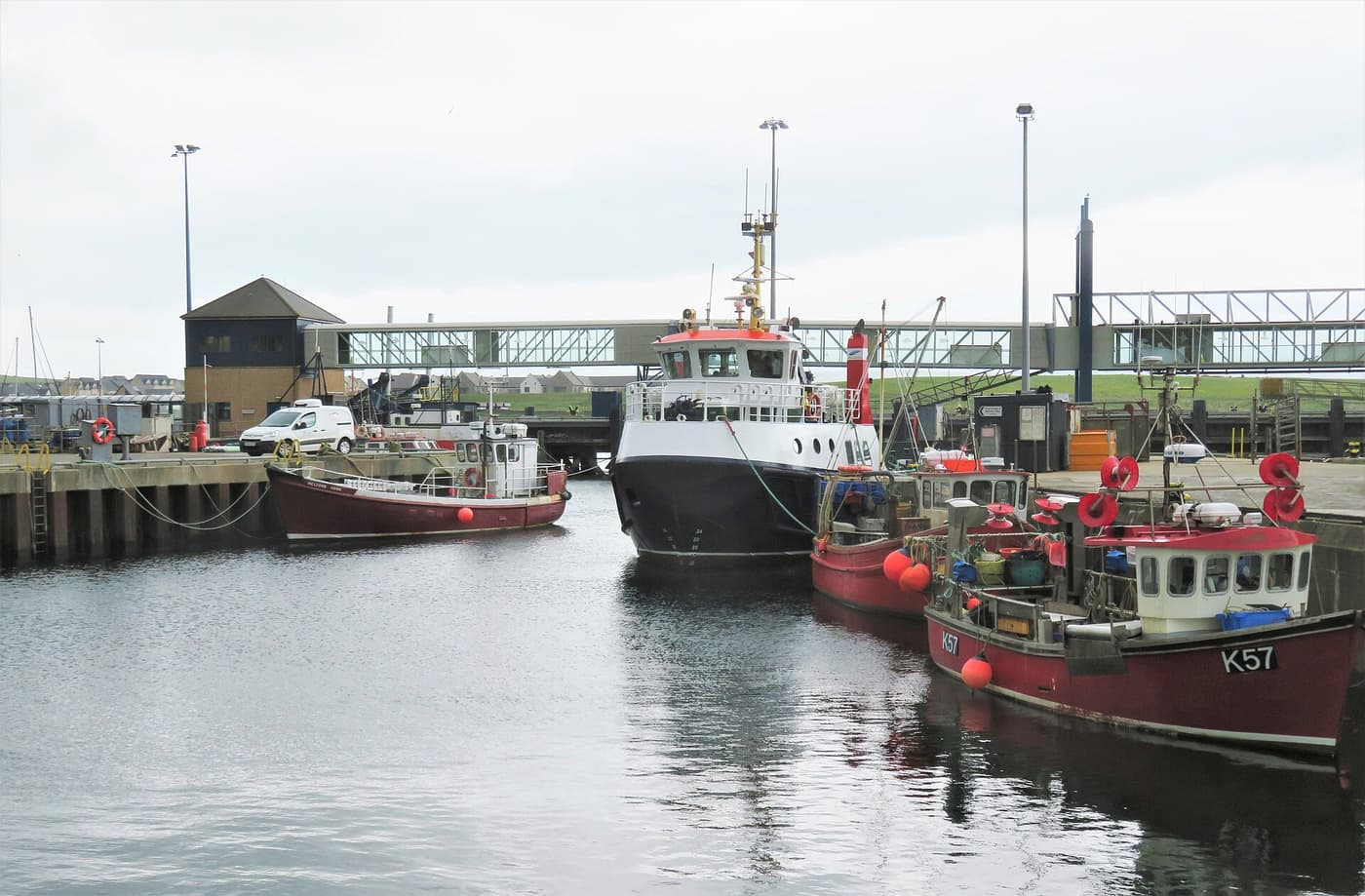
Orkney’s second town is a single winding street of flagstones and cobbles between tall stone houses, each with its own pier behind. It was the last port of call for the ships of the Hudson’s Bay Company and for Arctic explorers. Today it has the excellent Pier Arts Centre, a good small museum and the ferry to Scrabster.
Practical: Free to explore; allow 2 hours. Arts centre free; museum small charge.
8 Hoy and the Old Man of Hoy
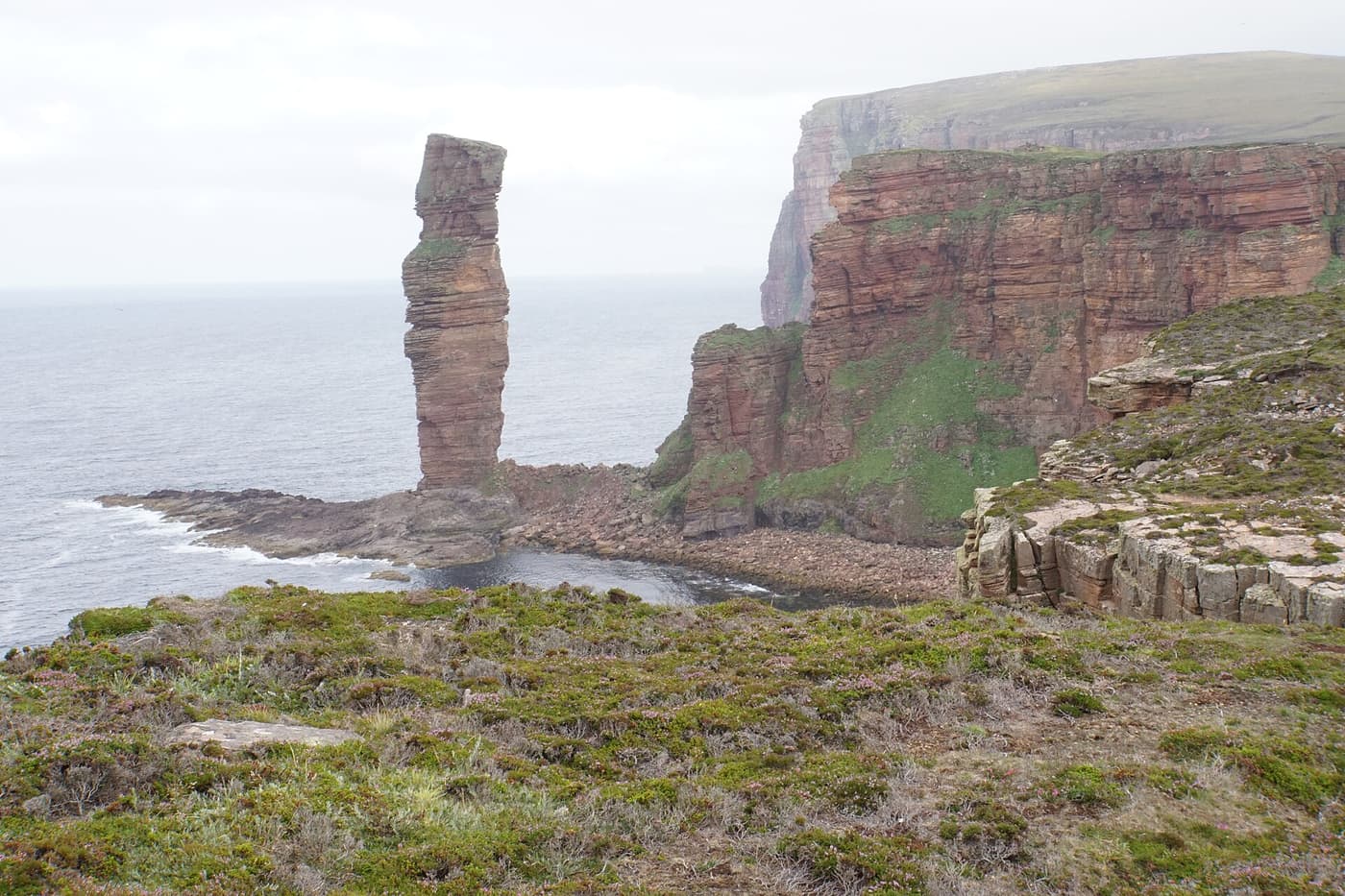
Hoy is the one hilly island, with the highest vertical sea cliffs in the British Isles at St John’s Head. Its famous sentinel is the Old Man of Hoy, a 137-metre stack of red sandstone first climbed in 1966. You pass it on the Scrabster–Stromness ferry; to stand opposite it, walk from the beautiful bay of Rackwick.
Practical: Walk from Rackwick: about 9 km and 3 hours return on a clear path. Passenger ferry from Stromness to Moaness, or car ferry from Houton. A full day.
9 Yesnaby, Birsay and the west coast
The Atlantic coast of the Mainland is a line of cliffs, stacks and geos. Yesnaby has a sea stack and wild flowers; Marwick Head is a seabird city in early summer; and at the north-west corner the Brough of Birsay is a tidal island with Pictish and Norse remains, reached on foot across a causeway at low water. Inland, the Broch of Gurness is an Iron Age tower surrounded by its village.
Practical: Cliffs free. Brough of Birsay: accessible for about two hours either side of low tide — check tide times and do not get cut off. Gurness: paid, seasonal.
Guided tours: Orkney
Day trip from €140 Orkney: West Mainland Small-Group Day Tour
Ancient monuments, cliffs and coast on the West Mainland in six hours with a local guide — the easiest way to see Orkney’s heartland without a car.
Day trip from €140 Orkney Day Tour from Stromness (Meets the Scrabster Ferry)
Timed to meet the ferry from the mainland, so you can visit Orkney’s main prehistoric sites as a day trip from Caithness.