Think of two half-day circuits from Inverness. South-west: the loch, Urquhart Castle and, if time allows, Fort Augustus. East: Culloden, Clava Cairns and Fort George or Cawdor. The city itself fills an evening or a wet morning.
1 Loch Ness
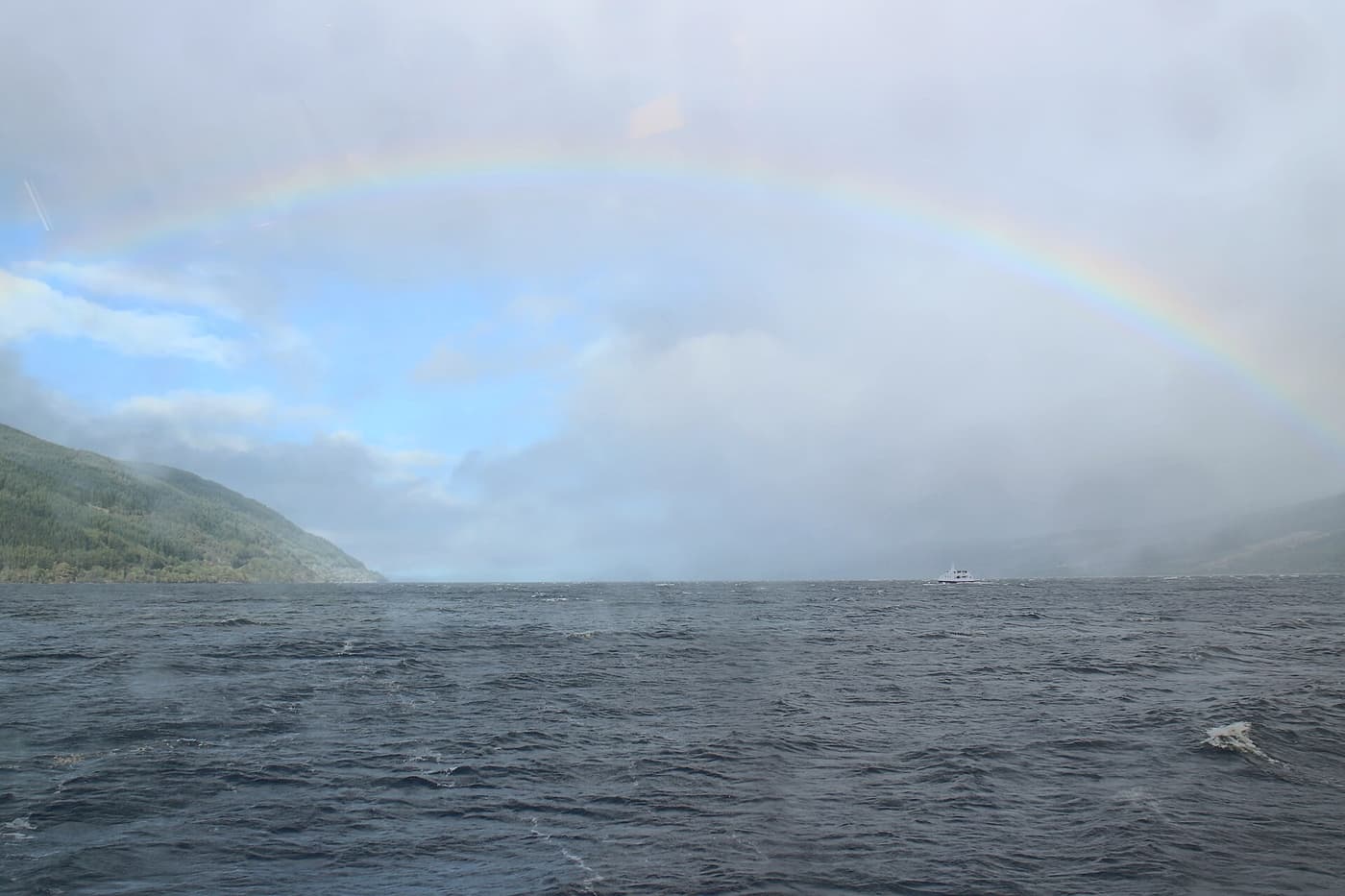
The A82 follows the busy north-western shore from Inverness to Fort Augustus, with lay-by viewpoints over the water. The quieter south-eastern side — single-track in places — has the pebble beach at Dores, with the classic view straight down the loch, and the wooded gorge of the Falls of Foyers. At Drumnadrochit, the Loch Ness Centre tells the story of the monster hunt and the science of the loch.
Practical: Free to view. Dores: 15 minutes’ drive from Inverness. Loch Ness Centre: paid, about 1 hour. A full circuit of the loch is about 70 miles and takes half a day with stops.
2 Urquhart Castle
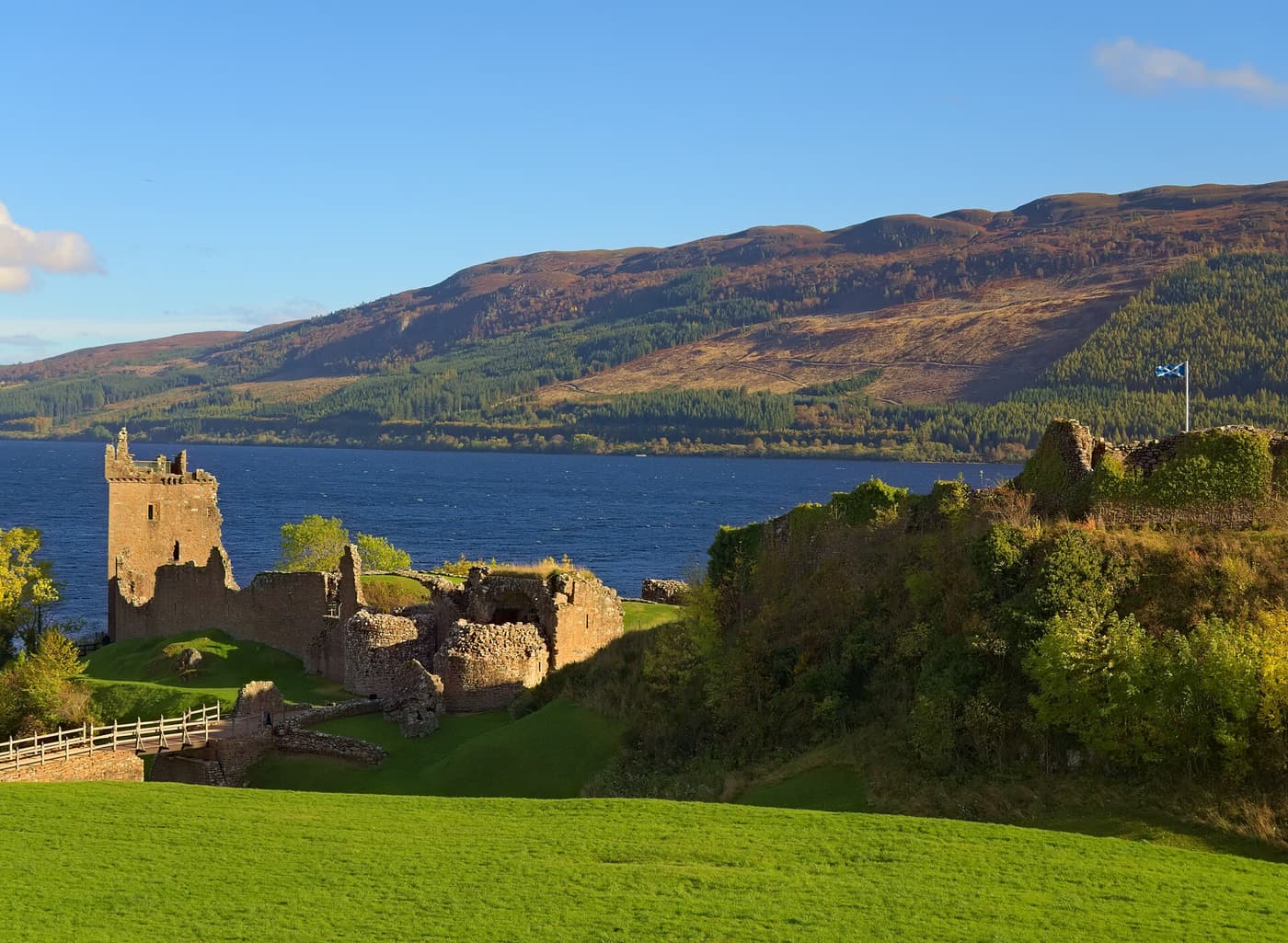
One of the largest castles in Scotland stood on this headland for 500 years, changing hands repeatedly in the Wars of Independence and in clan raids, until government troops blew it up in 1692 to keep it from the Jacobites. What remains — a tower house, walls and a gatehouse above the water — is the most evocative ruin in the Highlands and the most likely place from which to spot something odd in the loch.
Practical: Paid entry (Historic Environment Scotland); book ahead in summer, when the car park can fill. Allow 1½ hours. 17 miles from Inverness on the A82; Citylink coaches stop at the gate.
3 Inverness
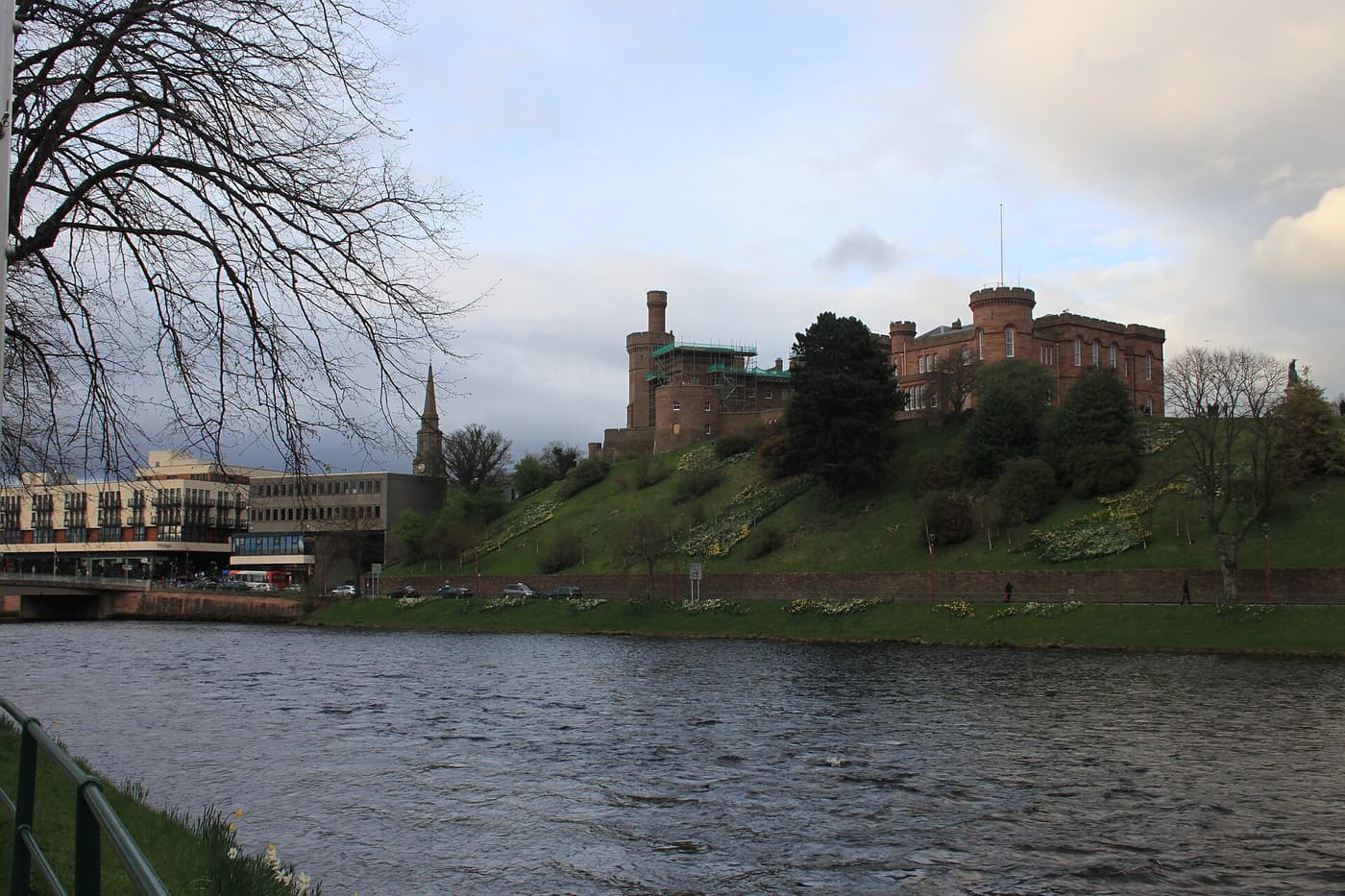
The city’s pleasures are low-key: a walk along the River Ness and across the footbridges to the wooded Ness Islands; the Victorian Market arcade; St Andrew’s Cathedral on the riverbank; Leakey’s, a second-hand bookshop in an old church; and traditional music in the pubs most nights. The pink sandstone castle on the hill, a 19th-century courthouse, has been redeveloped as a visitor attraction telling the story of the Highlands — check current opening arrangements.
Practical: Mostly free. Half a day. Everything is within 15 minutes’ walk of the station.
4 Culloden Battlefield
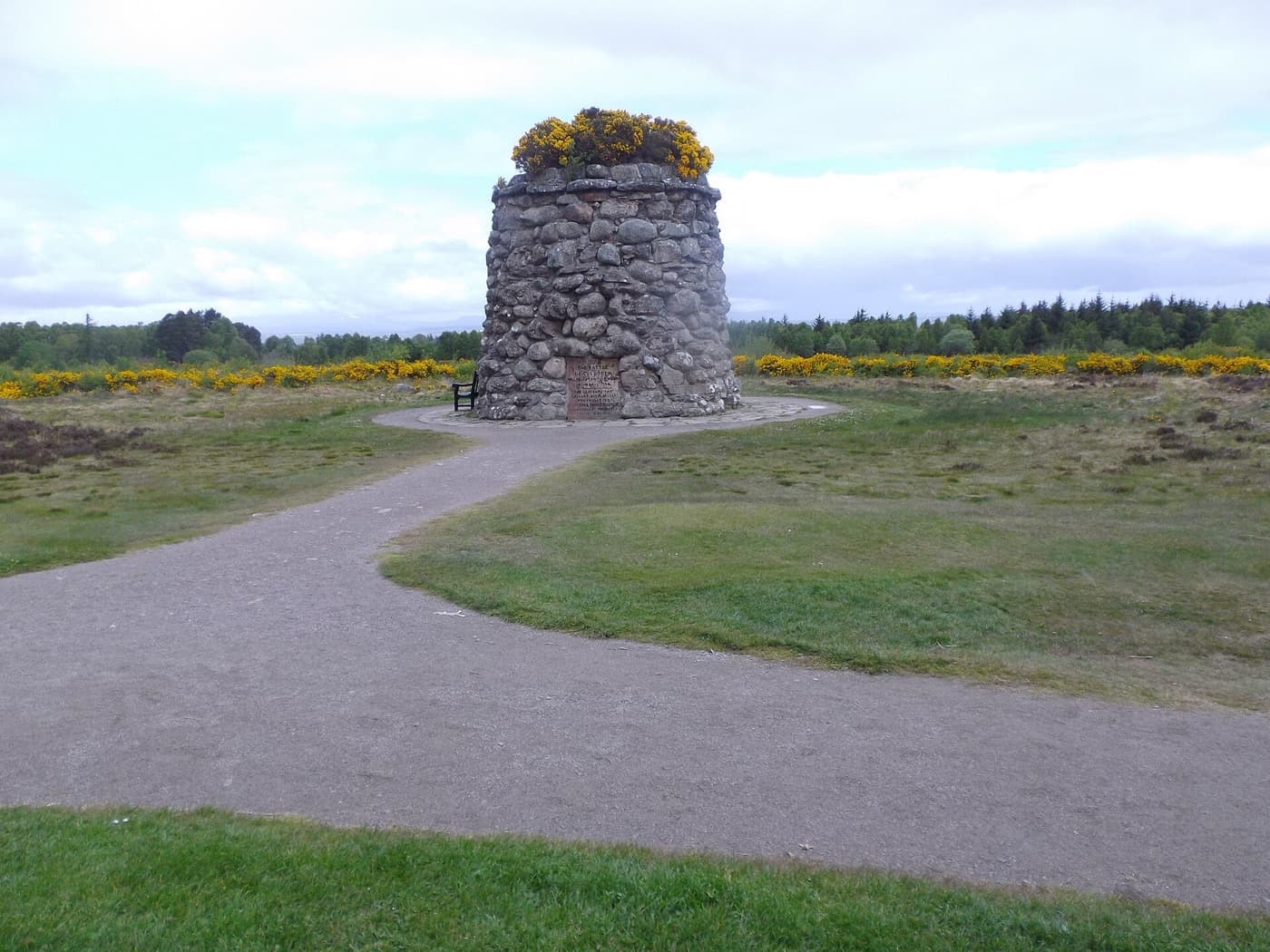
On Drummossie Moor, on 16 April 1746, the army of Bonnie Prince Charlie was destroyed in under an hour by government forces — the last pitched battle fought on British soil, followed by the brutal suppression of Highland culture. The moor has been restored to something like its appearance on the day; flags mark the two front lines, and stones bearing clan names mark the mass graves. The visitor centre is outstanding.
Practical: The battlefield is free and always open; the visitor centre (National Trust for Scotland) charges entry. Allow 2 hours. 5 miles east of Inverness; local buses from the city centre.
5 Clava Cairns
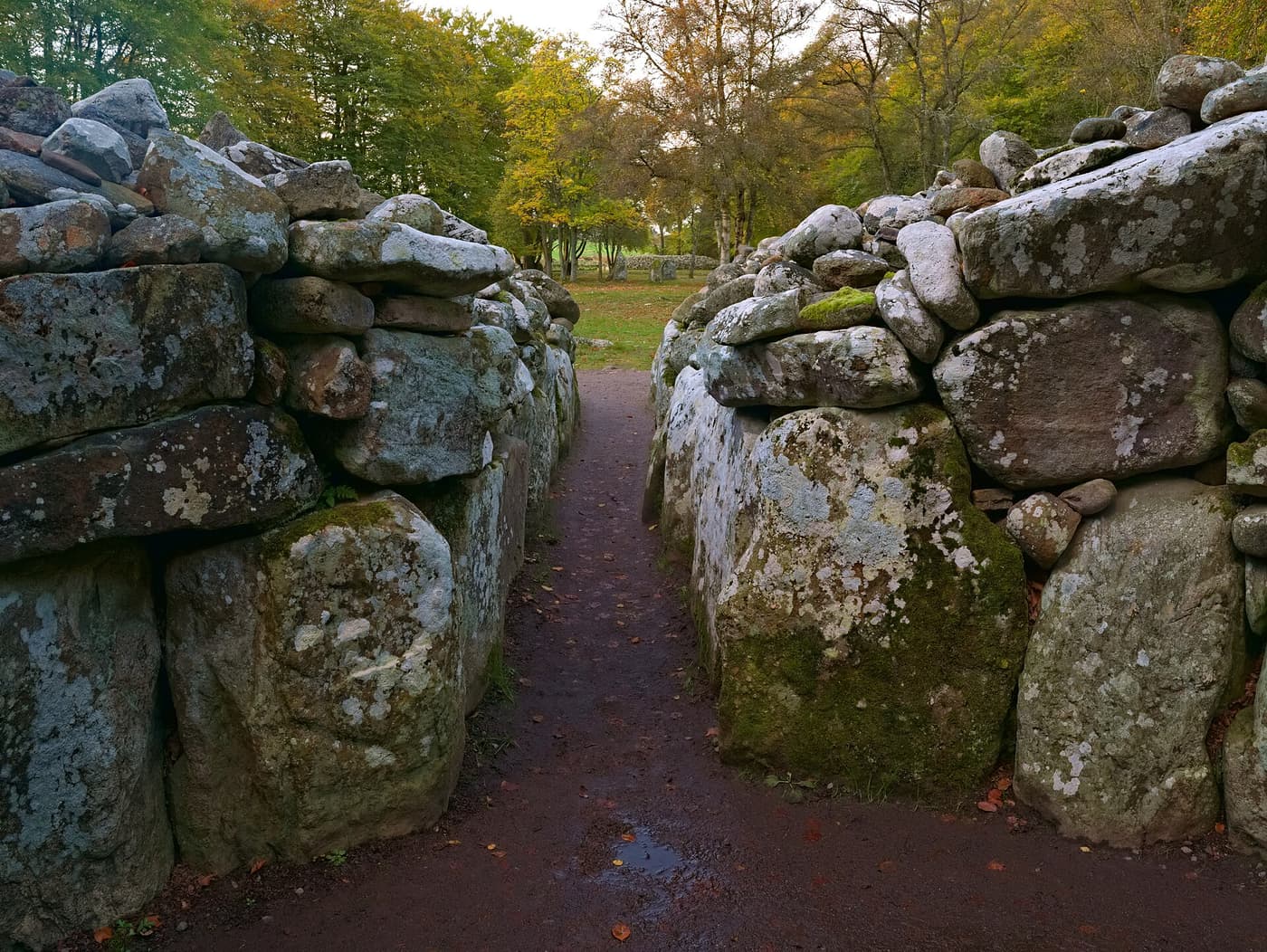
A mile from Culloden, in a quiet grove of trees, lie three large burial cairns ringed by standing stones, built about 4,000 years ago. Two have passages aligned on the midwinter sunset. The split stone here is widely believed to have inspired the time-travel stones of Outlander.
Practical: Free, open all year. 30–45 minutes. No public transport: walk or taxi from Culloden, or visit on a tour. Small car park.
6 Fort Augustus and the Caledonian Canal
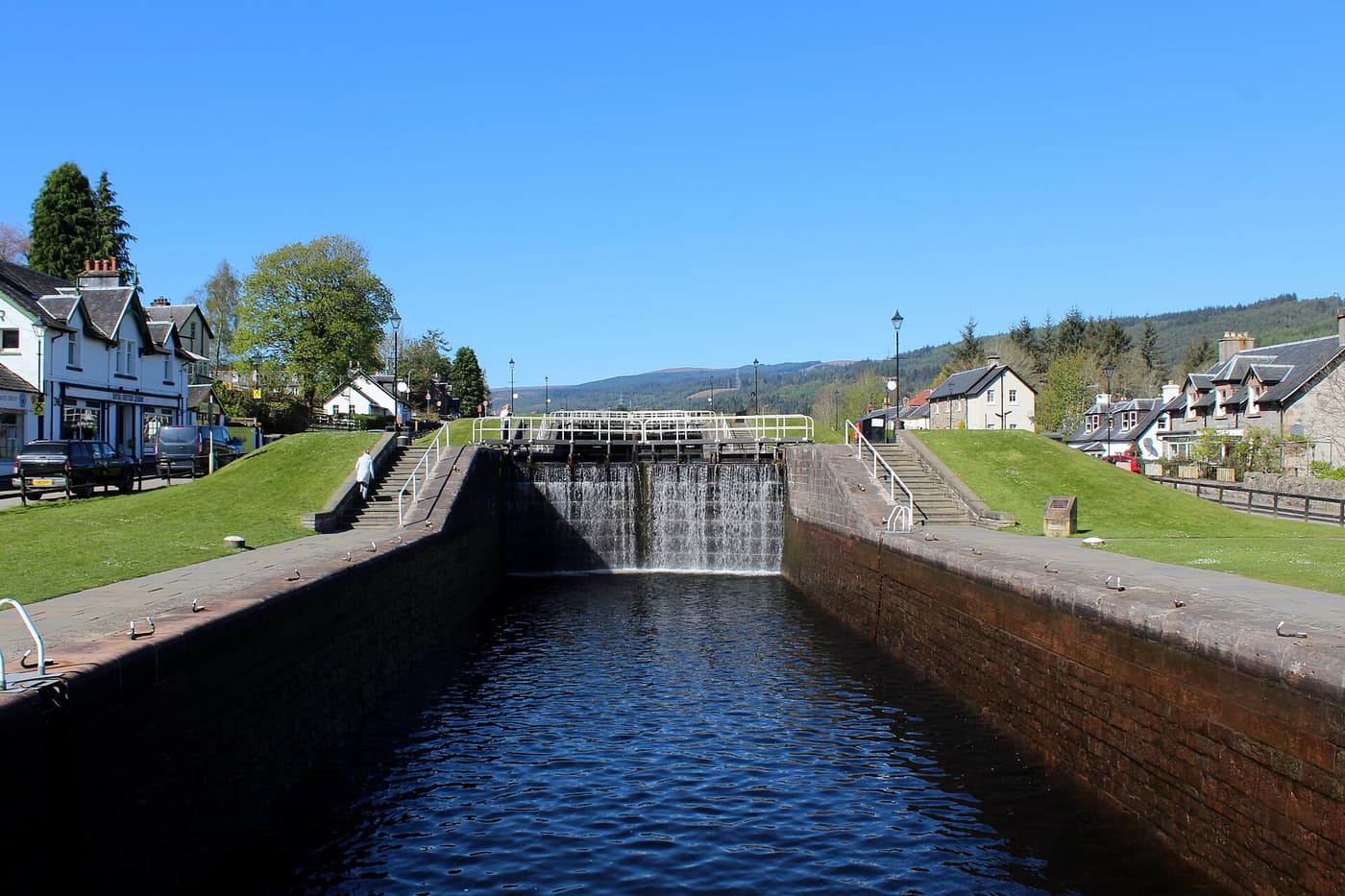
At the southern tip of the loch, a flight of five locks carries the Caledonian Canal down through the middle of the village. Watching boats work through is an agreeable way to spend an hour; there are loch cruises from the pier, a small canal heritage centre and plenty of places for lunch.
Practical: Free. About 1 hour from Inverness by the A82. Citylink coaches between Inverness and Fort William stop here.
7 Fort George and Cawdor Castle
Fort George, on a spit in the Moray Firth, was built after Culloden to pin down the Highlands: a vast, perfectly preserved 18th-century artillery fortress that is still an army barracks. Nearby Cawdor Castle, linked by Shakespeare with Macbeth, is a lived-in tower house with fine gardens.
Practical: Both paid. Fort George: allow 2 hours. Cawdor is usually open from spring to early autumn. Each is about 25–30 minutes’ drive east of Inverness.
8 Chanonry Point and the Black Isle
The narrow point between Fortrose and Rosemarkie is one of the best places in Europe to watch bottlenose dolphins from the shore: they chase salmon in the tide race a few metres from the beach. The Black Isle around it — a peninsula, not an island — has farmland, a brewery and the pretty village of Cromarty.
Practical: Free. Dolphins are most often seen on a rising tide, roughly an hour after low water, from late spring to early autumn. 30 minutes’ drive from Inverness; limited parking.
9 Glen Affric
Often called the most beautiful glen in Scotland, an hour south-west of Inverness: lochs, waterfalls and one of the largest surviving remnants of the ancient Caledonian pine forest. Waymarked walks range from 20 minutes to all day.
Practical: Free; small parking charge. Half a day to a day. By car through Cannich, or on a guided tour from Inverness.
Guided tours: Loch Ness & Inverness
Boat trip from €29 Loch Ness: Urquhart Castle Round-Trip Cruise
A 50-minute sailing from Clansman Harbour to the castle ruins and back — the cheapest way to get out on the loch.
Boat trip from €67 From Inverness: Loch Ness Cruise and Urquhart Castle
A half-day package from the city: coach to the loch, a cruise and time ashore inside Urquhart Castle, with transport back.