Mull is bigger than it looks and nearly all its roads are single-track: Tobermory to the Iona ferry at Fionnphort is about 55 miles and takes an hour and a half or more. Group your days by area — north, south-west, and boat trips.
1 Tobermory
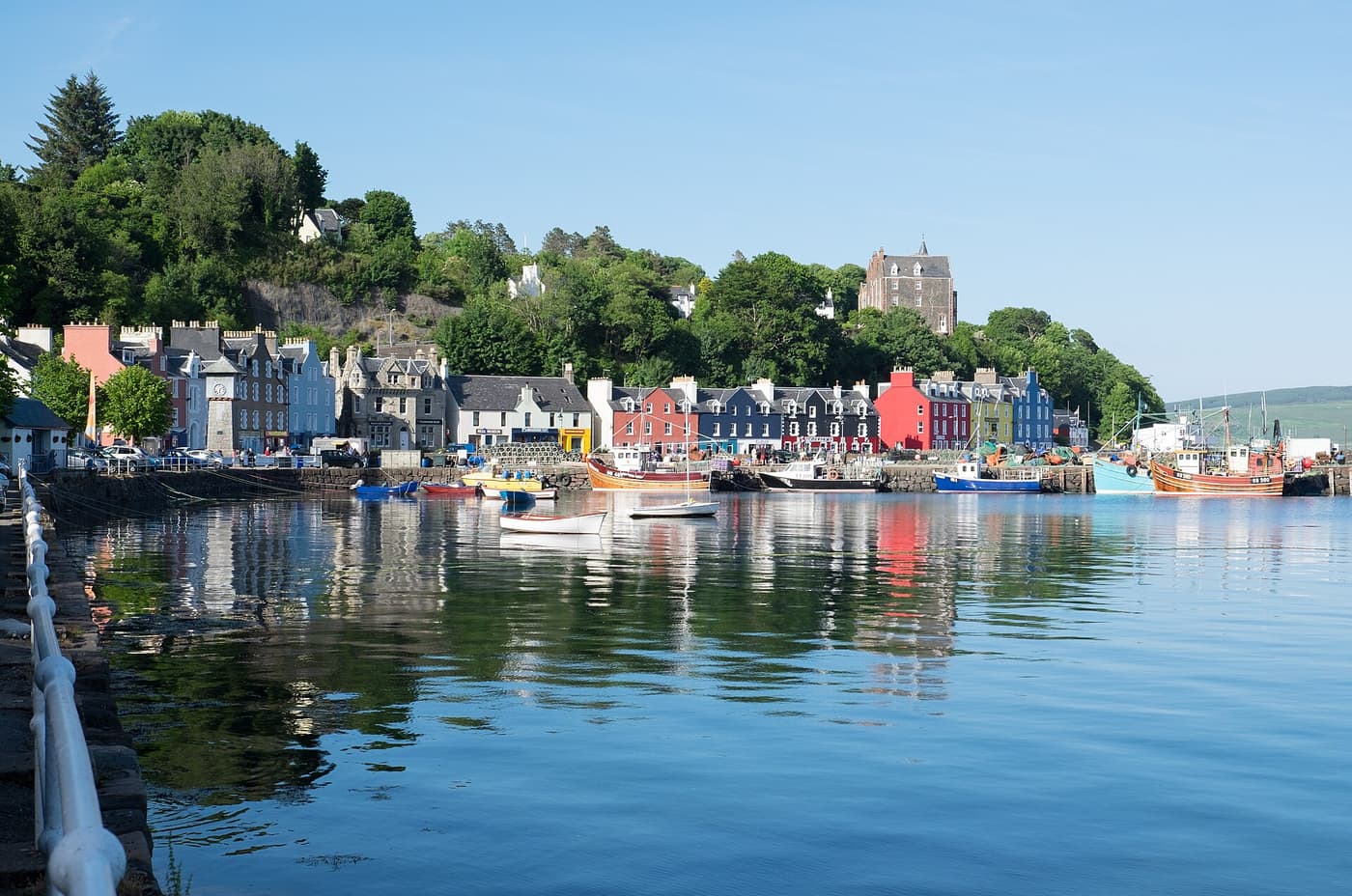
Founded as a planned fishing port in 1788, Mull’s capital curves round a sheltered bay, its tall quayside houses painted in strong reds, blues and yellows. There is a distillery dating from 1798, a small museum, an aquarium, craft shops and chandlers, and boats leaving for wildlife cruises. A wooded coastal path leads to the lighthouse at Rubha nan Gall.
Practical: Free to wander; allow 2 hours, more with the lighthouse walk (about 1½ hours return). Distillery tours are paid and best booked ahead.
2 Duart Castle
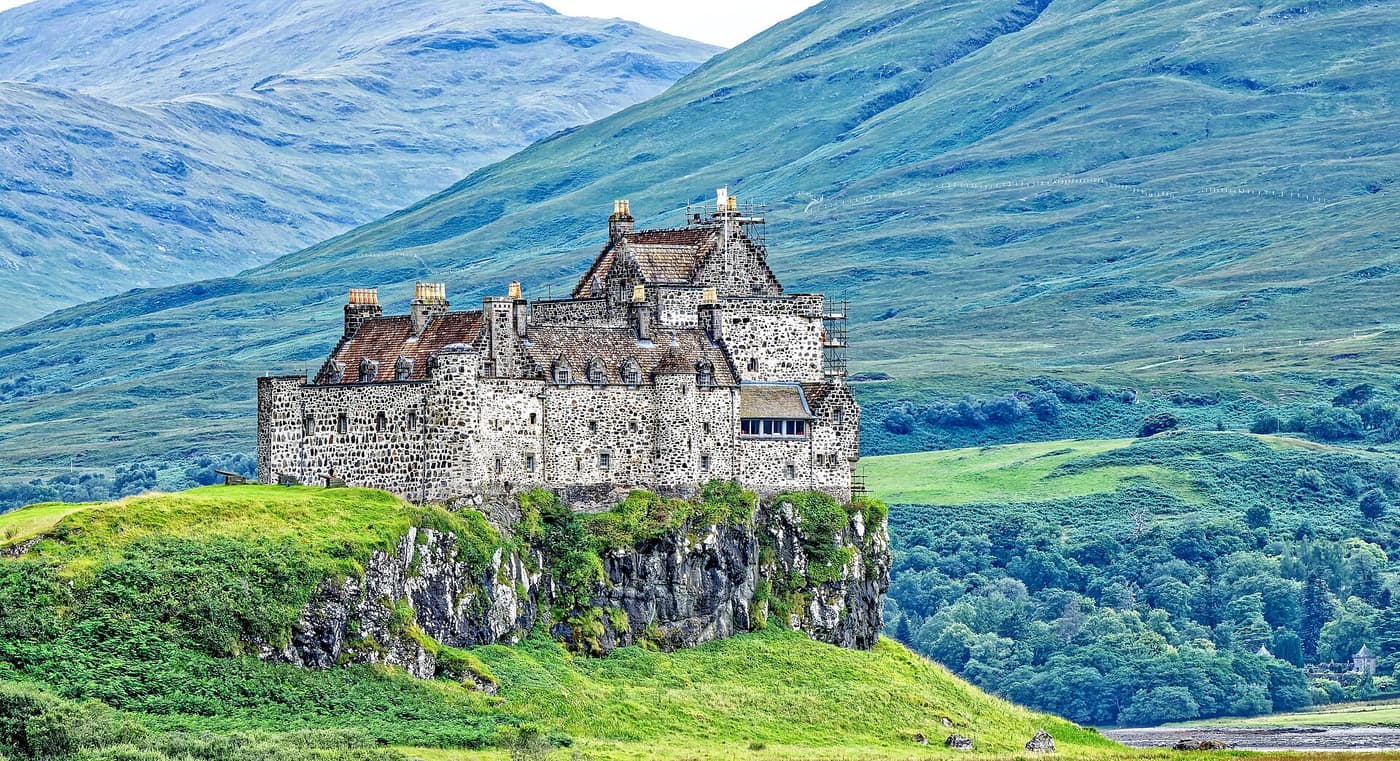
The 13th-century stronghold of Clan Maclean stands on a rocky point guarding the Sound of Mull, the first thing you see from the ferry. Ruined after the Jacobite risings, it was bought back and restored by the clan chief in 1911, and the family still lives there. Visitors see the keep, the dungeons and the state rooms, and can walk on the battlements.
Practical: Paid entry; usually open April to October. Allow 1½ hours. Three miles from the Craignure ferry terminal.
3 Iona and the Abbey
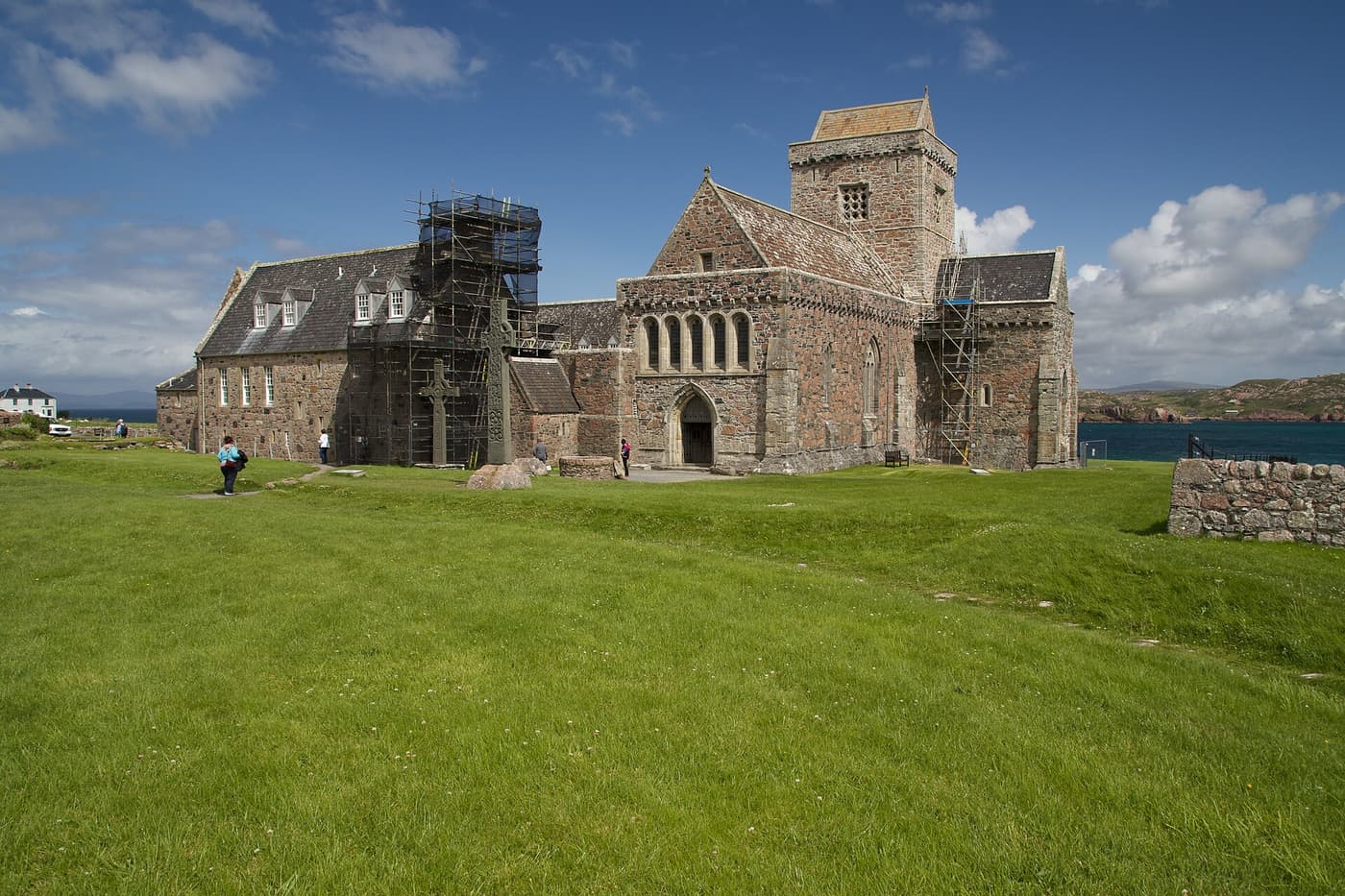
Columba’s monastery made this three-mile-long island a centre of learning and art for the whole of northern Britain — the Book of Kells is thought to have been begun here — and early Scottish kings were brought here for burial. The medieval Benedictine abbey that replaced it was restored in the 20th century and is still used for worship. Around it are tall carved crosses, a ruined nunnery and a burial ground; beyond, a half-hour walk leads to shell-sand beaches at the north end.
Practical: Passenger ferry from Fionnphort, about 10 minutes, frequent in summer. Abbey: paid entry (Historic Environment Scotland). Allow at least 3 hours on the island; visitors may not bring cars.
4 Staffa and Fingal’s Cave
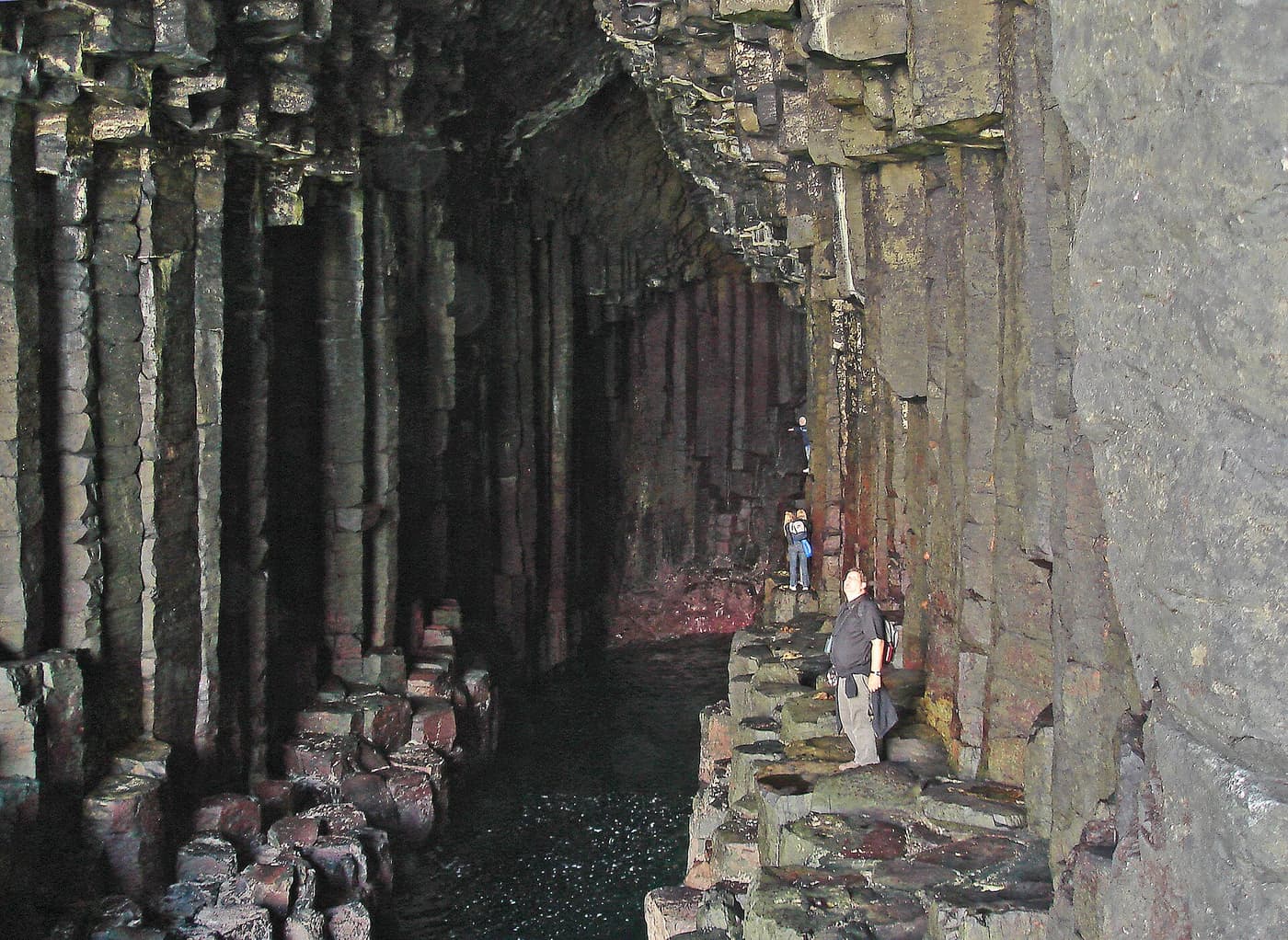
Staffa is the Scottish end of the same lava flow that formed the Giant’s Causeway in Northern Ireland: a small island built of regular six-sided basalt columns. A walkway along the tops of broken columns leads into the mouth of Fingal’s Cave, a sea cavern some 70 metres deep whose echoing swell inspired Mendelssohn’s Hebrides overture after his visit in 1829.
Practical: Boat trips from Fionnphort, Iona, Ulva Ferry, Tobermory and Oban, roughly April to October; about an hour ashore. Landing depends on sea conditions and involves steps and uneven rock.
5 Lunga and the Treshnish Isles
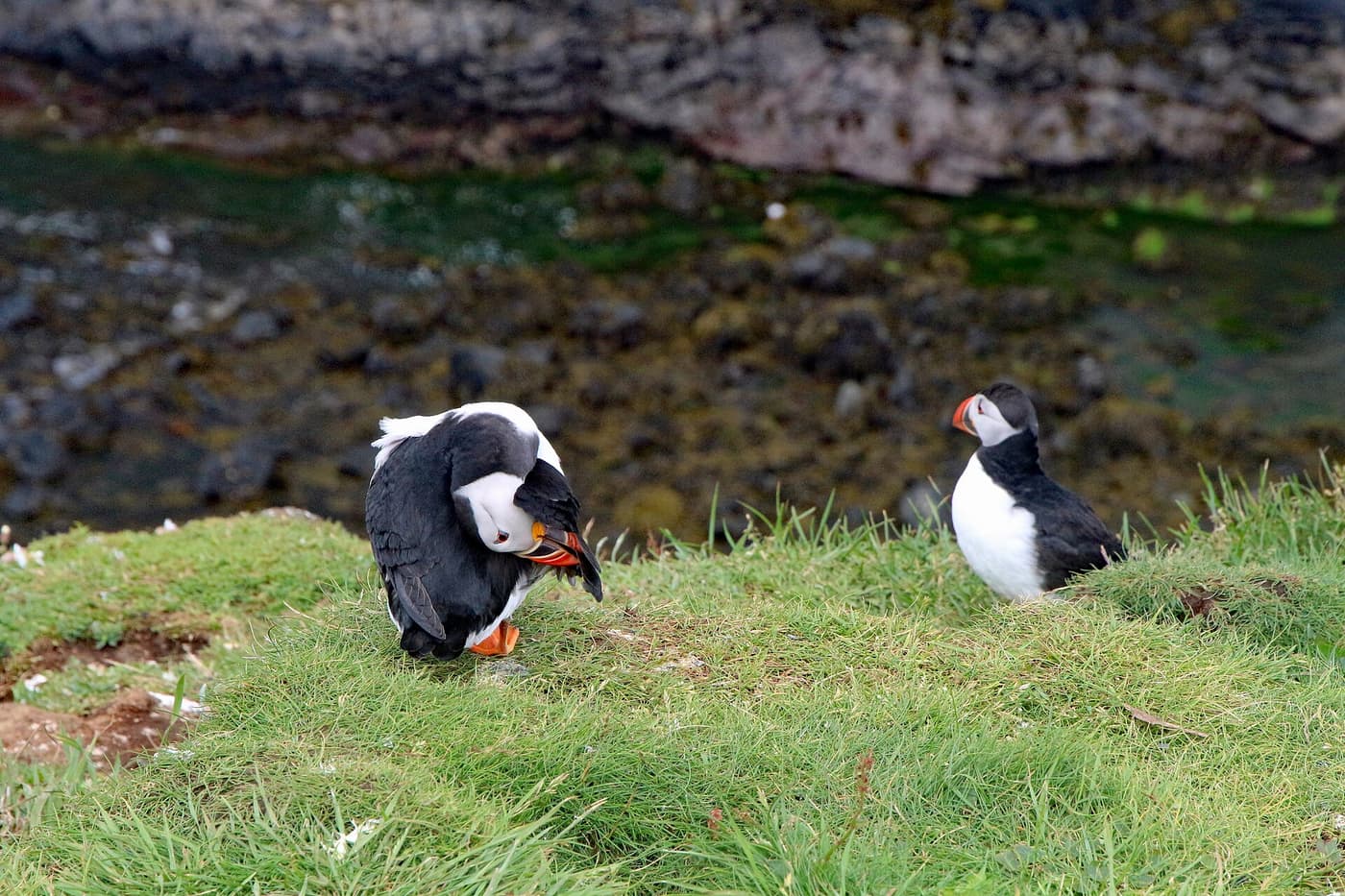
A chain of uninhabited islands west of Mull. Lunga, the largest, has thousands of nesting seabirds — puffins, razorbills, guillemots — and from the grassy top you can sit within a few feet of puffins going about their business. Trips usually combine Lunga with Staffa.
Practical: Boat trips of 4–6 hours from Ulva Ferry and Tobermory, mid-April to early August for puffins. A rough landing over boulders: not suitable for limited mobility.
6 Wildlife on land and sea
White-tailed sea eagles — with a wingspan of up to 2.4 metres — were reintroduced to Scotland from the 1970s and Mull is their stronghold; golden eagles, hen harriers, red deer and otters share the island. Ranger-led eagle watches, guided wildlife tours by minibus and whale-watching cruises from Tobermory (for minke whales, dolphins and basking sharks) make sightings far more likely than going alone.
Practical: Guided trips are paid and should be booked ahead. For otters, watch quiet sea-loch shores on a rising tide, early or late in the day.
7 Calgary Bay and the west coast
The single-track road round the west of Mull is one of the great scenic drives of the Hebrides: the white sand and turquoise water of Calgary Bay, the waterfall of Eas Fors dropping to the sea, views to Ulva and Staffa, and Ben More — the only island Munro outside Skye — rising above Loch na Keal.
Practical: Free. Half a day to a day by car. Slow, narrow and exposed in places; fill the tank in Tobermory, Salen or Craignure.
8 Oban
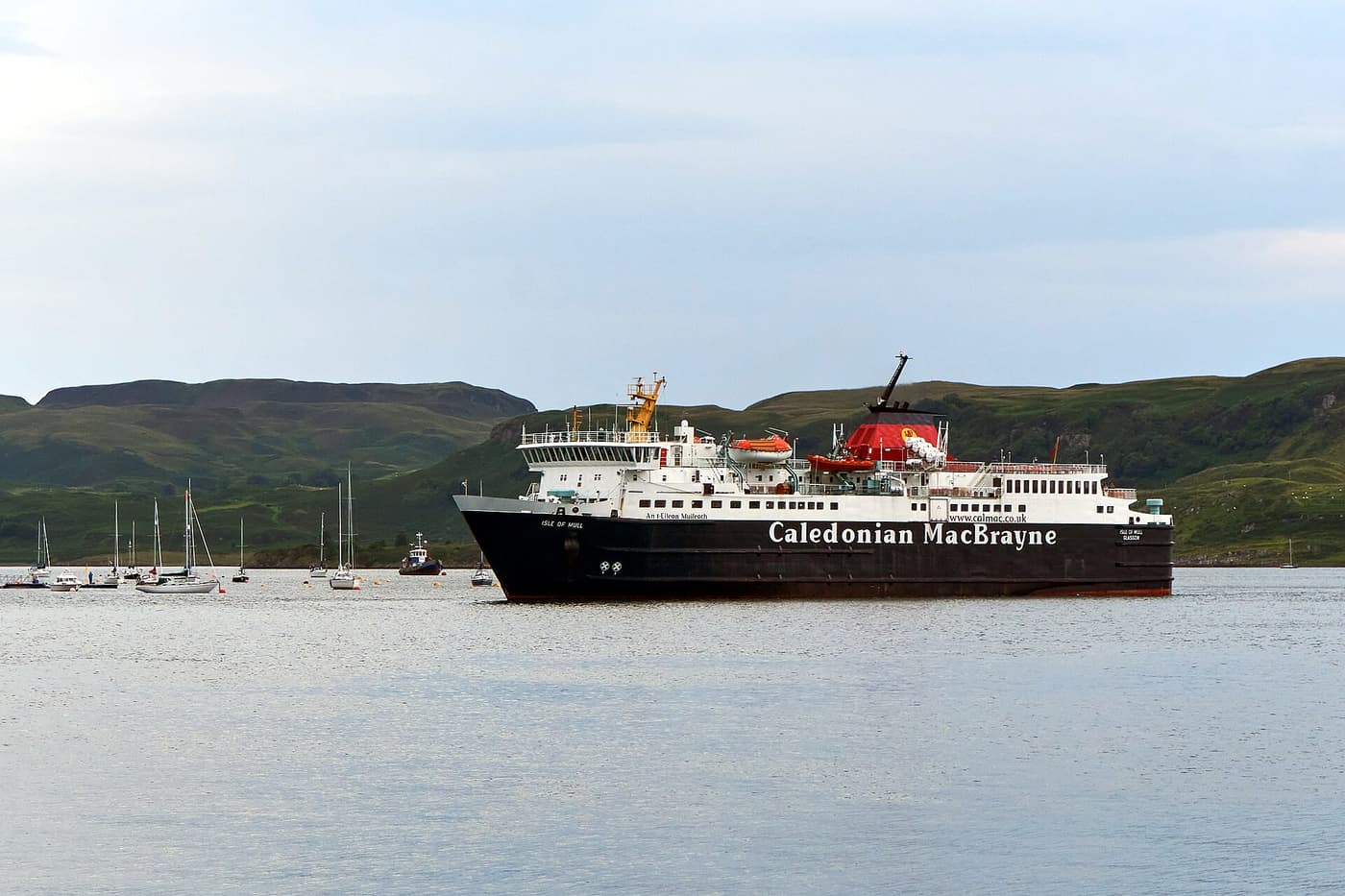
The “gateway to the isles” is a Victorian resort town round a horseshoe bay busy with ferries. Above it stands McCaig’s Tower, a Colosseum-like folly built around 1900, with a fine view over the bay to Mull. On the waterfront are one of Scotland’s oldest and smallest distilleries and seafood stalls selling langoustines, oysters and crab straight off the boats.
Practical: McCaig’s Tower: free, a steep 15-minute walk. Distillery tours paid; book ahead. Allow 2–3 hours for the town.
Guided tours: Isle of Mull, Iona & Staffa
 Day trip from €70
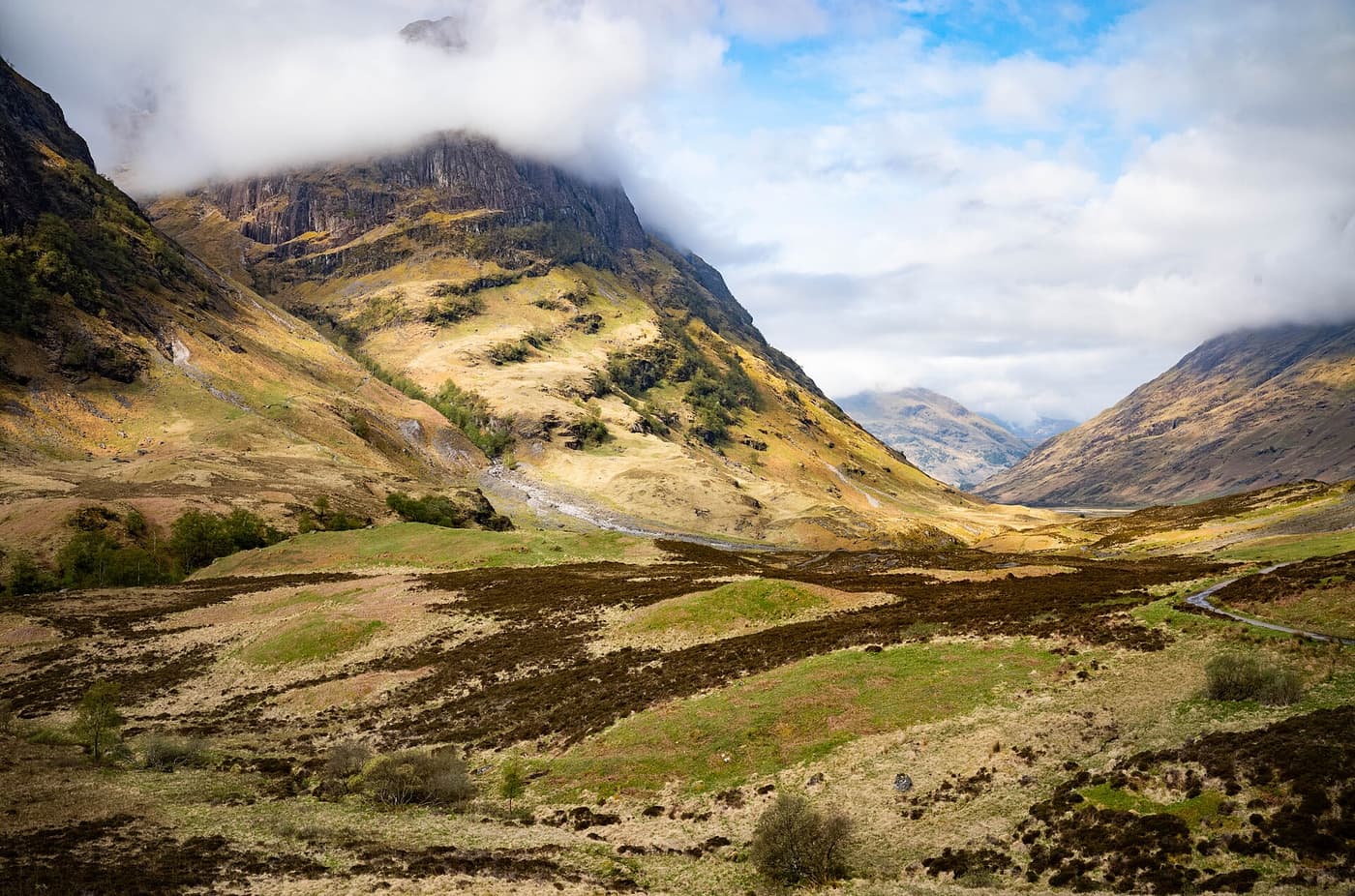
From Glasgow: Oban, Glencoe, Highland Lochs & Castles Tour
A long, rewarding small-group day past ruined castles and sea lochs to the seafood town of Oban, with Glencoe on the way.
 Tasting & tour from €28
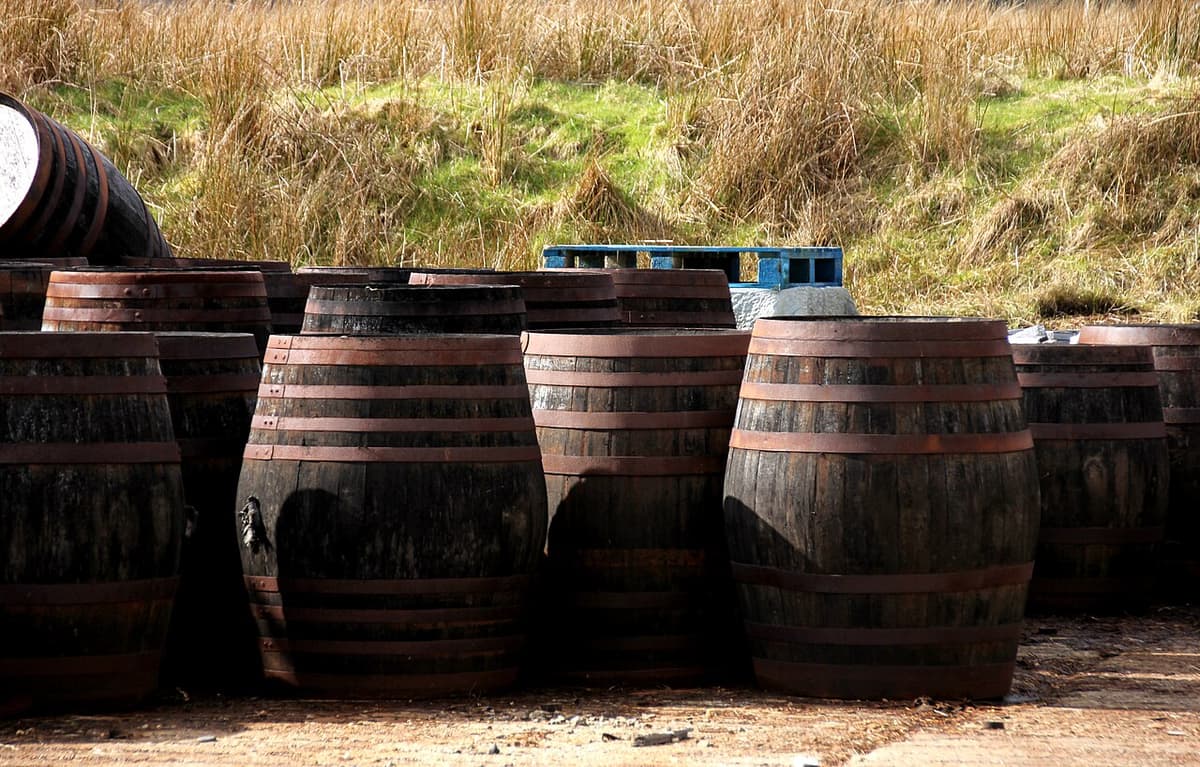
Oban: Classic Distillery Tour with Tastings
One of Scotland’s smallest and oldest distilleries, in the middle of the ferry port — an easy hour before or after the boat.