Where to base yourself
City centre and the Merchant City
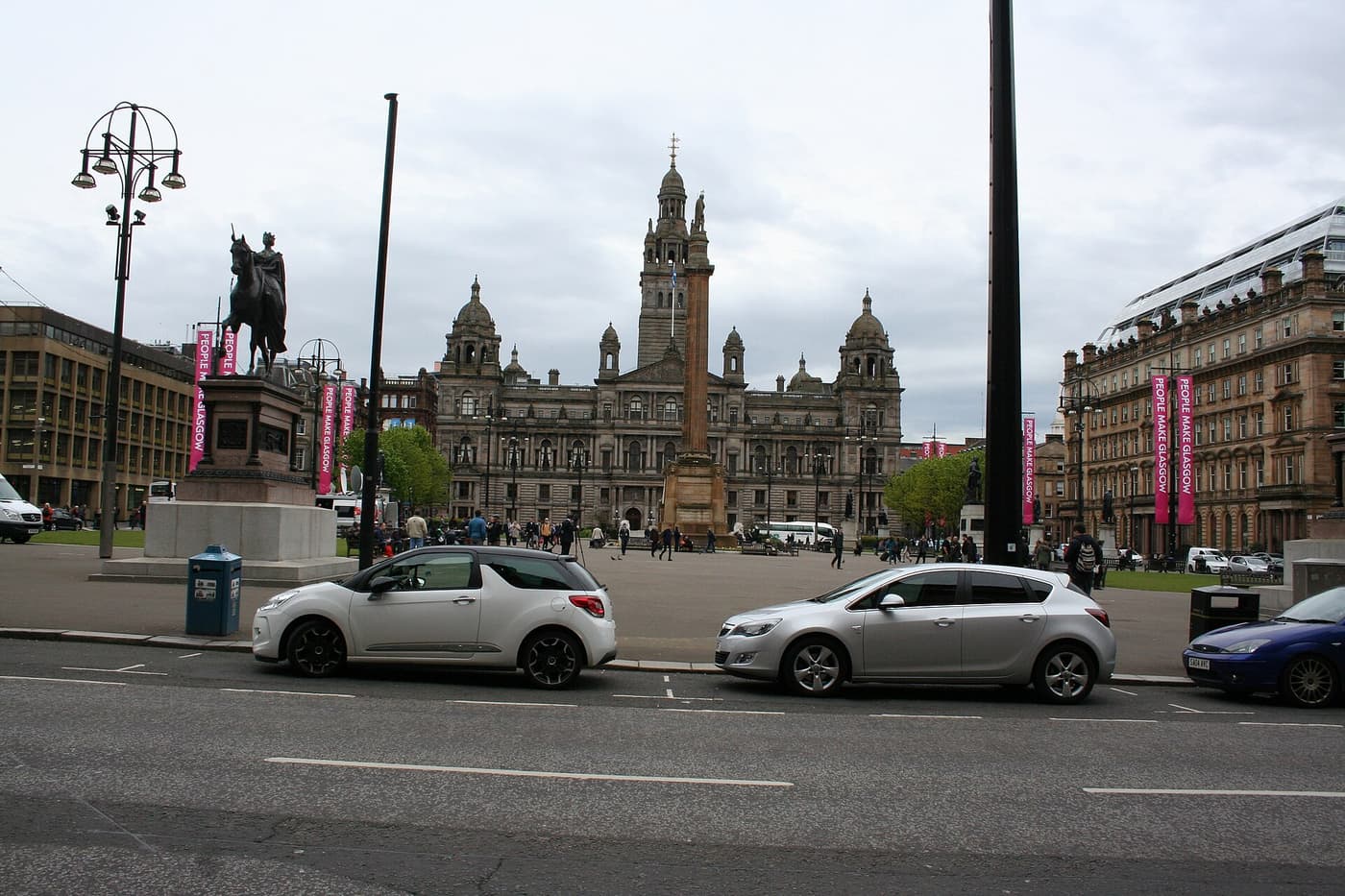
The grid of Victorian streets around George Square, Buchanan Street and the two stations, with the widest choice of hotels. The Merchant City, to the east, is the place for cocktail bars and dinner. Best for short stays and late nights.
West End
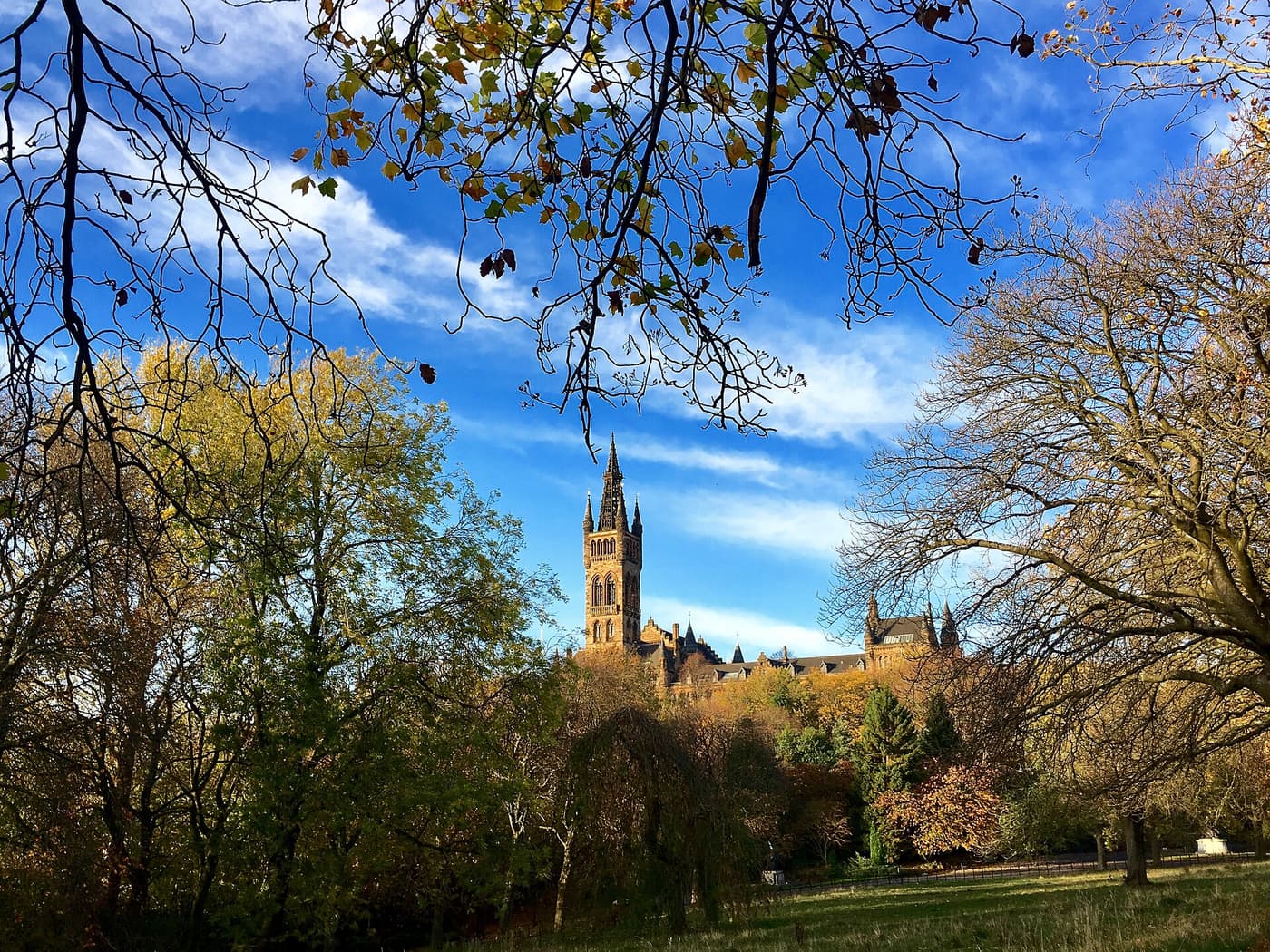
The university district: Byres Road, Ashton Lane, the Botanic Gardens and Kelvingrove. Boutique hotels and guesthouses in Victorian terraces, independent shops and cafés. Ten minutes from the centre by Subway.
Finnieston
Between the centre and the West End, by the river and the Hydro arena. Argyle Street here is the city’s restaurant strip, with some of Scotland’s best seafood and small-plates cooking.
Southside
Residential neighbourhoods such as Shawlands and Strathbungo, with a growing café and bar scene, Pollok Park and the Burrell. Good value, a short train ride from Central.
Food & drink
Glasgow has the liveliest restaurant scene in Scotland. Seafood from the west coast is the star in Finnieston; the city’s large South Asian community has made it one of the curry capitals of Britain — chicken tikka masala is said to have been invented here — and it is consistently rated among the most vegan-friendly cities in the UK. For a drink, try a traditional pub with live folk music, a whisky bar in the West End, or a pint of Tennent’s where it is brewed. Music venues range from tiny King Tut’s Wah Wah Hut to the sprung dance floor of the Barrowland Ballroom.
Tips: saving money and staying safe
- Almost every major museum is free: Kelvingrove, Riverside, the Burrell, the Gallery of Modern Art, the People’s Palace and the Hunterian.
- An all-day Subway ticket is cheap and covers most sightseeing; add a train for the Burrell.
- Hotel prices jump when there is a big concert at the Hydro or a football final. If rates look odd, check the events calendar and shift a night.
- Glasgow is generally safe and very welcoming. As in any big city, take care late at night around the busiest drinking streets and keep an eye on your belongings.
- Football rivalry between Celtic and Rangers runs deep: on match days, avoid wearing either club’s colours unless you are going to the game.
- It rains more here than in Edinburgh. Carry a waterproof and keep a museum in reserve.
Sample plans
One day
- Morning at Glasgow Cathedral and the Necropolis.
- Walk down through the Merchant City to George Square; lunch.
- Subway to Kelvinhall for Kelvingrove.
- Dinner in Finnieston and live music.
Two days
- Day 1 as above.
- Day 2: the university cloisters and the Hunterian, the Botanic Gardens and Byres Road.
- Afternoon at the Riverside Museum and the Tall Ship, or the Burrell Collection.
- A distillery tour at Clydeside before dinner.
Three days
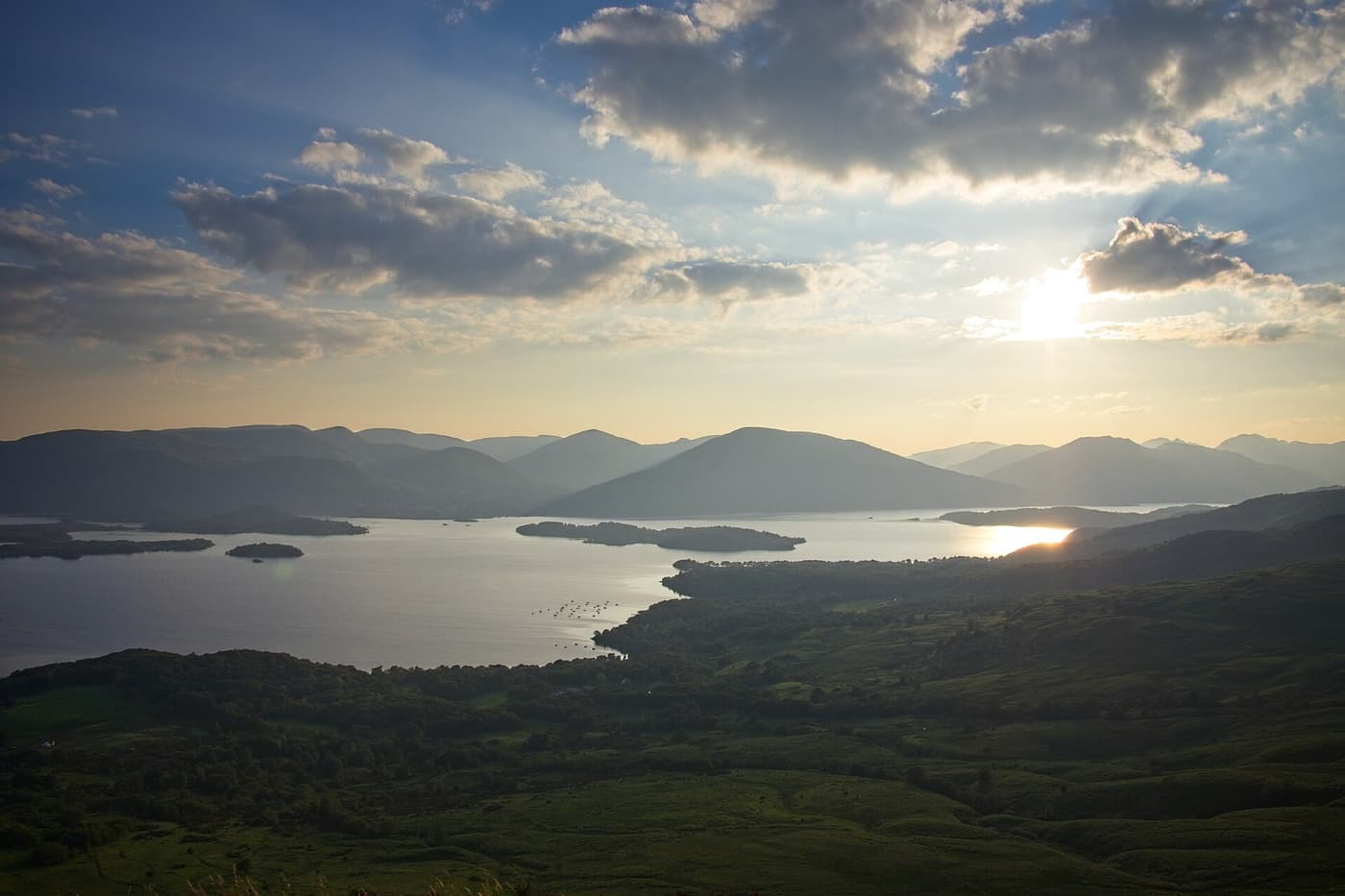
- A day trip: train to Balloch for a Loch Lomond cruise,
- or a guided day to Oban and Glencoe,
- or train and ferry to the Isle of Arran.
Where to stay: Glasgow
Kimpton Blythswood Square Hotel & Spa
A five-star hotel and spa in a Georgian terrace on a quiet garden square, five minutes’ walk uphill from Buchanan Street.
Dakota Glasgow
A sleek boutique hotel on the western edge of the centre, well placed between the shopping streets and Finnieston.
citizenM Glasgow
A compact, design-led hotel near the top of the centre with small, clever rooms and a short walk to Queen Street station.